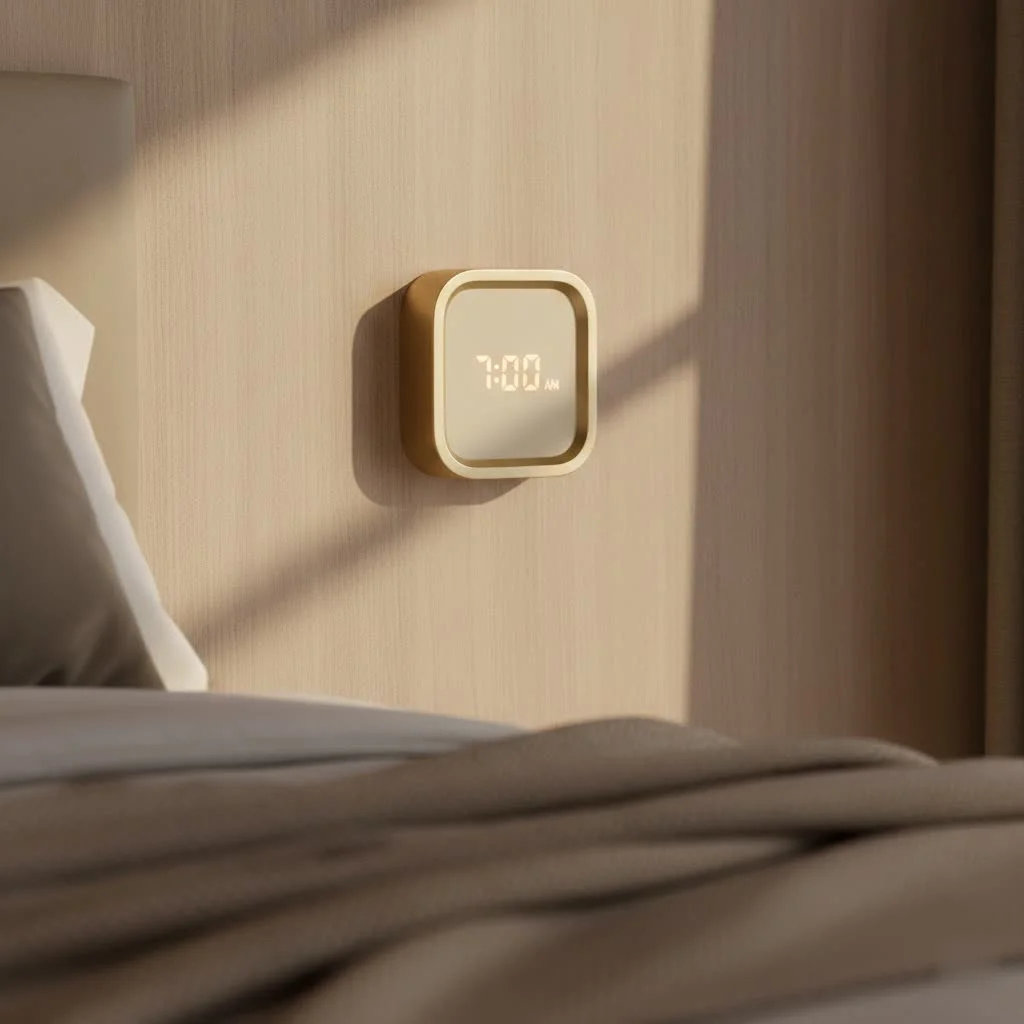
A light alarm clock, also known as a sunrise alarm clock or dawn simulator, transforms mornings by mimicking natural sunlight, gradually increasing light in a room over 20 to 60 minutes before a set wake-up time. This gentle illumination helps the body transition from deep sleep, reducing grogginess and aligning with the body’s natural circadian rhythm. Many models also offer sunset simulation to aid in falling asleep.
What Exactly is a Light Alarm Clock?
A light alarm clock is a sophisticated device designed to mimic the natural progression of sunlight. Instead of a sudden, jarring sound, these clocks gradually increase the light in your room over a set period—typically ranging from 20 to 60 minutes—before your desired wake-up time. This subtle shift in illumination gently coaxes your body out of deep sleep, preparing you for a smoother transition to wakefulness. Many advanced models even offer a “sunset simulation” feature, gradually dimming the light in the evening to help you wind down and fall asleep more easily.
The Science of Waking: How Light Alarm Clocks improve your Morning
The magic behind light alarm clocks isn’t just anecdotal; it’s rooted in fascinating human biology. Understanding how these devices work with your body’s natural rhythms is key to appreciating their power.
Synchronizing Your Circadian Rhythm
Your body operates on an intricate internal clock, known as the circadian rhythm, which governs your sleep-wake cycle, hormone production, and many other vital processes. Light is, without a doubt, the most influential external cue for this internal clock. For millennia, humanity has risen with the sun and rested with the darkness, a rhythm our bodies are still intrinsically programmed to follow. A light alarm clock leverages this primal connection, providing the critical light cues your brain needs to align with an optimal waking pattern, even when natural daylight is scarce.
The Melatonin and Cortisol Connection
Two crucial hormones play starring roles in your sleep-wake drama: melatonin and cortisol. When it’s dark, your body naturally ramps up melatonin production, making you feel sleepy and ready for bed. Conversely, exposure to light signals your brain to suppress melatonin and boost cortisol, the hormone associated with alertness and energy. Traditional alarms often rip you from sleep when melatonin levels are still high, leading to that unpleasant groggy feeling. Light alarm clocks, by gradually introducing light, facilitate a natural decline in melatonin and a gradual increase in cortisol, known as the Cortisol Awakening Response (CAR). This smoother hormonal transition prepares your body to be awake and alert, rather than startled and stressed.
Beating Sleep Inertia
|
Our Picks for the Best Alarm Clock in 2026
As an Amazon Associate I earn from qualifying purchases.
|
||
| Num | Product | Action |
|---|---|---|
| 1 | LỖI |

|
| 2 | Wake Up Light Sunrise Alarm Clock for Kids, Heavy Sleepers, Bedroom, with Sunrise Simulation, Sleep Aid, Dual Alarms, FM Radio, Snooze, Nightlight, Daylight, 7 Colors, 7 Natural Sounds, Ideal for Gift |
|
| 3 | Digital Projection Alarm Clocks for Bedrooms - Large LED Display, 180° Rotatable Projector, 5-Level Dimmer,USB Charger,Battery Backup,Loud Dual Alarms for Kids Elderly,Heavy Sleepers,Snooze,12/24H,DST |
|
| 4 | Mesqool Projection Alarm Clock, Digital Clock with 180° Rotatable Projector, 5-Level Brightness Dimmer, Clear LED Display, USB Charger, Progressive Volume, 9mins Snooze,12/24H, for Bedroom |
|
| 5 | Sunrise Alarm Clock White Noise Machine: Natural Wake Up Light - Dimmable Clock with Bluetooth Speaker for Bedroom - 25 Sleep Sounds for Baby Adults Kids Putty |
|
| 6 | Mesqool Digital Projector Alarm Clocks for Kids Bedroom,Plug-in Clock with 180° Projection on Ceiling Wall,Dual Alarms for Heavy Sleepers,Battery Backup,USB Charging Port,Easy-to-Set,Dimmer,Snooze |
|
| 7 | Amazon Echo Spot (newest model), Great for nightstands, offices and kitchens, Smart alarm clock with Alexa+ Early Access, Glacier White |
|
| 8 | Amazon Basics Small Digital Oval Alarm Clock With LED Display, Nightlight & Battery Backup, Black, 4.5 x 3.5 x 2.4 Inches |
|
| 9 | Philips SmartSleep Wake-up Light, Colored Sunrise and Sunset Simulation, 5 Natural Sounds, FM Radio & Reading Lamp, Tap Snooze, HF3520/60 |
|
| 10 | Swissbrand Sunrise Alarm Clock with Multicolor LED Light, USB Charging & Indoor Temperature – Concrete-Print Digital Clock for Bedroom Nightstand |
|
“Sleep inertia” is that dreaded sluggish, foggy feeling that often clings to you right after waking, especially if you’re abruptly pulled from a deep sleep stage. It can significantly impair your cognitive function, reaction time, and overall productivity for hours. Research has consistently shown that waking up with gradual light exposure significantly reduces sleep inertia. Studies indicate that participants waking with dawn light experienced improved alertness, better cognitive performance, and faster reaction times, sometimes even hours after waking. This means you spend less time feeling half-asleep and more time being fully engaged with your morning.
Unlocking the Benefits: Why You Need a Light Alarm Clock
Beyond the scientific intricacies, the practical benefits of integrating a light alarm clock into your daily routine are truly transformative.
Gentler Wake-Up Experience
Say goodbye to the abrupt, stress-inducing blare of a traditional alarm. With a light alarm clock, your awakening is serene and peaceful, mimicking nature’s own sunrise. This gentle approach ensures you start your day feeling calm and centered, rather than agitated.
Enhanced Mood and Alertness
A more natural awakening can profoundly impact your psychological state. By supporting your body’s innate rhythms, light alarm clocks help to improve your mood and boost overall alertness, setting a positive tone for the entire day. Studies have even linked light exposure to improved cognitive function and energy levels.
Improved Cognitive and Physical Performance
When your body wakes up in alignment with its natural processes, your brain and body are simply more ready to perform. Reducing sleep inertia translates directly into sharper thinking, better concentration, and even more efficient physical activity, from your morning workout to your mental tasks at work.
Supporting Seasonal Affective Disorder (SAD)
For individuals who struggle with Seasonal Affective Disorder (SAD) or the “winter blues” due to limited natural daylight, light alarm clocks can be a major upgrade. By providing consistent light cues, especially in the darker months, these devices help to reset the body’s internal clock and alleviate symptoms, offering a crucial dose of light therapy.
Fostering Healthier Sleep Habits
One often-overlooked benefit is the encouragement of a phone-free bedroom. Many people use their smartphones as alarms, leading to late-night scrolling that exposes them to sleep-disrupting blue light. By replacing your phone with a dedicated light alarm clock, you can create a healthier sleep environment, potentially improving your sleep duration and overall quality.
Choosing Your Perfect Light Alarm Clock: What to Look For
With various options on the market, selecting the right light alarm clock can seem daunting. As experts at Rzygw, we recommend considering these key features:
Brightness and Light Spectrum
The effectiveness of a light alarm clock largely depends on its brightness. Look for models with adjustable lux or lumen levels to customize the intensity to your preference. Also, pay attention to the color spectrum. The most realistic simulations will transition from deep reds and oranges to golden yellows and warm whites, faithfully mirroring a natural sunrise. Some specialized models may also offer full-spectrum or specific blue light options, which Dr. Catherine McCall, an assistant professor of Psychiatry and Behavioral Sciences, noted can be highly effective in impacting our internal clock.
Customization: Sounds, Duration, and Settings
Beyond light, many light alarm clocks enhance the wake-up experience with sound. Consider models that offer a variety of gentle nature sounds (like birdsong or flowing water), calming melodies, or even an FM radio. Ensure you can customize the sunrise duration (e.g., 20, 30, 45, or 60 minutes) to find what works best for your body. The ability to set multiple alarms for different days of the week is also a highly convenient feature.
Smart Features and Connectivity
For the tech-savvy, many modern light alarm clocks offer smart features like app integration, allowing you to control settings from your smartphone. Some can even connect to your smart home ecosystem, syncing with other devices for a truly integrated morning routine. While not essential, these features can offer enhanced convenience and personalization.
Design and Additional Functions
Consider how the device fits into your bedroom aesthetic and what additional functionalities it offers. Many light alarm clocks double as reading lamps, night lights, or mood lights, saving valuable bedside table space. A dimmable or completely switch-off clock display is also crucial for maintaining a dark sleep environment at night.
Expert Insights: A Deeper Look at Light’s Power
“The beauty of the light alarm clock lies in its simplicity and its profound respect for our biology,” explains Dr. Elara Vance, a renowned chronobiologist and sleep health specialist. “We’re not fighting our natural inclination; we’re guiding it. By embracing gradual light exposure, we’re not just waking up; we’re optimizing our entire day, fostering sustained energy and cognitive clarity that extends far beyond the morning hours.” This perspective highlights that a light alarm clock is an investment in your holistic well-being, not just a tool to avoid being late.
Conclusion
The traditional alarm clock has served its purpose, but in our quest for improved well-being and productivity, the light alarm clock offers a far superior way to start your day. By use the power of light, these innovative devices work in harmony with your body’s natural rhythms, offering a gentler wake-up, reducing grogginess, boosting mood, and even supporting overall sleep health. At Rzygw, we are passionate about helping you discover tools that genuinely enhance your life. If you’re ready to improve your mornings and embrace a more energized, focused, and refreshed version of yourself, it’s time to consider a light alarm clock. Visit Rzygw.com for more in-depth reviews and guides, and start your journey to mastering your mornings today.
Frequently Asked Questions (FAQ)
Are light alarm clocks effective for deep sleepers?
Yes, many light alarm clocks are designed to be effective even for deep sleepers. While the gradual light is the primary wake-up mechanism, most models offer a combination of light and gradually increasing sound (like nature sounds or an alarm tone) to ensure you wake up.
Can a light alarm clock help with Seasonal Affective Disorder (SAD)?
Absolutely. Light alarm clocks, particularly those with bright white or full-spectrum light, can be very beneficial for individuals with Seasonal Affective Disorder (SAD) or those who experience the “winter blues.” They help by providing consistent light exposure that can reset the body’s internal clock and boost mood, especially when natural daylight is limited.
Is there a difference between a “wake-up light” and a “sunrise alarm clock”?
While often used interchangeably, there can be subtle differences. A “wake-up light” primarily focuses on simulating a sunrise for gentle waking. A “sunrise alarm clock” is typically a more feature-rich device, purpose-built for comprehensive sleep and wake optimization, often including sound pairing, customizable color spectrums, and wind-down (sunset simulation) settings to aid falling asleep.
How long does it take to get used to a light alarm clock?
Most users find that they adjust to a light alarm clock relatively quickly, often within a few days to a week. The transition is typically smoother than adapting to a new loud alarm. Consistent use helps reinforce the body’s new sleep-wake patterns.
Can I use a light alarm clock without sound?
Yes, many light alarm clocks allow you to use only the light function for waking up, without any accompanying sound. This is ideal for sensitive sleepers or those who prefer an absolutely silent and natural awakening. However, for heavy sleepers, combining light with a gentle sound is often recommended to ensure effective waking.
Choosing Your Perfect Light Alarm Clock
Selecting the right light alarm clock involves considering several key features to match your preferences and needs for a better morning routine.
Look for models with adjustable lux or lumen levels to customize intensity. Prioritize clocks that transition from deep reds to warm whites, mimicking a natural sunrise. Some specialized models offer full-spectrum or specific blue light options for enhanced effectiveness.
Choose models offering various gentle nature sounds, calming melodies, or FM radio. Ensure you can customize the sunrise duration (e.g., 20-60 minutes) and set multiple alarms for different days. This flexibility allows for a personalized wake-up experience.
For tech-savvy users, consider models with app integration for smartphone control or smart home ecosystem compatibility. While not essential, these features can offer enhanced convenience and personalization. They allow for seamless integration into a modern smart home setup.
Think about how the device fits your bedroom aesthetic and its extra functionalities. Many light alarm clocks double as reading lamps, night lights, or mood lights, saving space. A dimmable or switch-off clock display is crucial for maintaining a dark sleep environment.
Get our weekly buyer guide
Practical specs, not advice. Unsubscribe anytime.
I’ve been using a dawn simulator for about a month now, and I really like it. The sunset simulation feature is surprisingly effective for helping me wind down at night. It’s a subtle change, but I definitely feel like I’m falling asleep faster. I appreciate how it helps align my sleep schedule.
This type of alarm clock is a lifesaver, especially in winter. The way it mimics natural sunlight really does make a difference. I used to dread waking up when it was still dark outside, but now the gentle illumination makes it so much more bearable. Highly recommend for anyone struggling with dark mornings.
I was so skeptical about light alarm clocks, but this guide convinced me to try one. The gradual increase in light over 30 minutes has made such a difference in my mornings. I used to hit snooze five times, but now I wake up feeling genuinely refreshed and not groggy at all. It’s truly a game-changer for my circadian rhythm.
I got a sunrise alarm clock after reading about how they help with grogginess. While the light feature is nice and does make waking up a bit easier, I found the sound options on my model to be pretty limited. I wish there were more natural sounds or a better radio tuner. It’s good, but not perfect for the price.