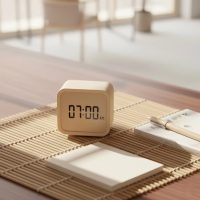
Picture this: instead of being brutally jolted awake by a blaring, intrusive alarm, you slowly, gently emerge from sleep, greeted by a soft, increasing glow that mimics a peaceful sunrise. Sounds like a dream, right? Well, with the best sunrise alarm clock, this can be your everyday reality. This innovative device isn’t just another gadget; it’s a game-changer for your mornings, designed to harmonize with your body’s natural rhythms and revolutionize how you start your day. Say goodbye to morning grogginess and hello to a more refreshed, energized you.
What Exactly is a Sunrise Alarm Clock?
A sunrise alarm clock, often called a wake-up light or dawn simulator, is designed to mimic the natural sunrise in your bedroom, even if it’s still dark outside. Unlike traditional alarms that rely on jarring sounds to pull you from sleep, these clocks gradually increase the light in your room over a set period—typically 20 to 90 minutes—before your desired wake-up time. This subtle shift in illumination gently signals to your brain that it’s time to rise.
The science behind this gentle awakening is fascinating. As natural light increases, your body naturally suppresses the production of melatonin, the hormone that makes you feel sleepy, and increases the release of cortisol, which helps you feel awake and alert. This process aligns with your internal “circadian rhythm,” your body’s natural 24-hour sleep-wake cycle. Many of the best sunrise alarm clocks also include a “sunset” simulation feature, where the light gradually dims, often accompanied by soothing sounds, to help you wind down and prepare for sleep. This dual functionality supports a complete, healthy sleep cycle from evening to morning.
The Science-Backed Benefits of Embracing the Dawn
Choosing a sunrise alarm clock isn’t just about a nicer wake-up; it’s about optimizing your overall well-being. The benefits extend far beyond simply opening your eyes.
Regulating Your Circadian Rhythm
Your circadian rhythm is your body’s internal timekeeper, influenced heavily by light and darkness. When this rhythm is out of sync—perhaps due to inconsistent sleep schedules, shift work, or minimal natural light exposure—it can lead to sleep problems and daytime fatigue. A sunrise alarm clock helps regulate this vital cycle by exposing you to light at the optimal time, signaling to your brain that it’s morning. This consistent light exposure helps your internal clock function more effectively, promoting better sleep quality and more consistent sleep patterns overall.
Say Goodbye to Sleep Inertia
|
Our Picks for the Best Alarm Clock in 2026
As an Amazon Associate I earn from qualifying purchases.
|
||
| Num | Product | Action |
|---|---|---|
| 1 | Sunrise Alarm Clock White Noise Machine: Natural Wake Up Light - Dimmable Clock with Bluetooth Speaker for Bedroom - 25 Sleep Sounds for Baby Adults Kids Putty |

|
| 2 | Mesqool Digital Projector Alarm Clocks for Kids Bedroom,Plug-in Clock with 180° Projection on Ceiling Wall,Dual Alarms for Heavy Sleepers,Battery Backup,USB Charging Port,Easy-to-Set,Dimmer,Snooze |
|
| 3 | Amazon Basics Small Digital Oval Alarm Clock With LED Display, Nightlight & Battery Backup, Black, 4.5 x 3.5 x 2.4 Inches |
|
| 4 | Swissbrand Sunrise Alarm Clock with Multicolor LED Light, USB Charging & Indoor Temperature – Concrete-Print Digital Clock for Bedroom Nightstand |
|
| 5 | Philips SmartSleep Wake-up Light, Colored Sunrise and Sunset Simulation, 5 Natural Sounds, FM Radio & Reading Lamp, Tap Snooze, HF3520/60 |
|
| 6 | Mesqool Projection Alarm Clock, Digital Clock with 180° Rotatable Projector, 5-Level Brightness Dimmer, Clear LED Display, USB Charger, Progressive Volume, 9mins Snooze,12/24H, for Bedroom |
|
| 7 | LỖI |
|
| 8 | Digital Projection Alarm Clocks for Bedrooms - Large LED Display, 180° Rotatable Projector, 5-Level Dimmer,USB Charger,Battery Backup,Loud Dual Alarms for Kids Elderly,Heavy Sleepers,Snooze,12/24H,DST |
|
| 9 | Wake Up Light Sunrise Alarm Clock for Kids, Heavy Sleepers, Bedroom, with Sunrise Simulation, Sleep Aid, Dual Alarms, FM Radio, Snooze, Nightlight, Daylight, 7 Colors, 7 Natural Sounds, Ideal for Gift |
|
| 10 | Amazon Echo Spot (newest model), Great for nightstands, offices and kitchens, Smart alarm clock with Alexa+ Early Access, Glacier White |
|
That dreadful feeling of grogginess, disorientation, and low alertness right after waking up is known as “sleep inertia.” It’s what makes hitting the snooze button so tempting. Waking up to a gradual increase in light, rather than a sudden loud noise, can significantly reduce sleep inertia. Studies have shown that a gentle, light-based awakening can improve alertness and cognitive performance shortly after waking, helping you feel sharper and more ready to tackle the day from the moment you get out of bed.
Boosting Your Mood and Productivity
A gentler wake-up experience sets a more positive tone for your entire day. Light exposure in the morning plays a crucial role in regulating serotonin, often called the “feel-good hormone.” By mimicking natural dawn, a sunrise alarm clock can promote serotonin release, potentially enhancing your mood and reducing morning stress. A smoother transition from sleep to wakefulness can improve cognitive function, leading to increased productivity and a clearer mind throughout your day.
“Waking up with natural light cues is a fundamental aspect of human biology,” explains Dr. Lena Karlsson, a renowned sleep specialist. “A well-designed sunrise alarm clock leverages this principle to foster a more harmonious start to the day, positively impacting both our mental and physical state.”
Beyond Mornings: Support for Unique Lifestyles
Sunrise alarm clocks offer particular advantages for individuals facing specific challenges:
- Seasonal Affective Disorder (SAD): For those affected by SAD during darker winter months, the simulated sunlight can be a powerful tool to combat symptoms like daytime sleepiness and irritability, acting as a form of light therapy.
- Jet Lag: These devices can help travelers realign their circadian rhythm more quickly after crossing time zones, easing the effects of jet lag.
- Shift Workers: Night shift workers can use a sunrise alarm clock to create an artificial “morning” when they need to wake up, helping their bodies adjust to irregular sleep schedules.
Key Features to Look for in Your Ideal Sunrise Alarm Clock
With a variety of models available, choosing the best sunrise alarm clock can feel overwhelming. Focusing on these key features will help you find the perfect fit for your needs:
Realistic Light Simulation
The core of any great sunrise alarm clock is its ability to convincingly mimic natural light. Look for:
- Adjustable Brightness (Lumens/Lux): The best models offer a wide range of brightness settings, measured in lumens (total light output) or lux (light intensity at a specific distance). Higher maximum lux often means a more effective wake-up, especially for darker rooms.
- Color Progression: High-quality clocks transition through natural sunrise colors, typically from deep red or orange, to warm yellow, and finally to bright white light. This smooth, gradual change is key to a gentle awakening.
- Sunrise Duration: Most clocks allow you to set the duration of the sunrise effect, from 15 to 90 minutes. Experiment to find what feels most natural for you.
Customizable Soundscapes
While light is primary, many people appreciate the option of a gentle auditory cue. Consider clocks with:
- Variety of Alarm Sounds: Look for nature-inspired sounds like birdsong, ocean waves, or forest ambiance, which are much more pleasant than harsh beeps.
- FM Radio: Many models include an FM radio, allowing you to wake up to your favorite station.
- White Noise & Sleep Sounds: Some advanced models integrate white noise or guided meditations to help you fall asleep at night.
Smart Features & Connectivity
For tech-savvy users, smart features can enhance the experience:
- App Control: Control settings, customize routines, and track sleep data directly from your smartphone.
- Bluetooth Connectivity: Play music or podcasts from your device through the clock’s speaker.
- USB Charging Ports: Conveniently charge your phone or other devices right from your bedside.
User-Friendly Design
An alarm clock should simplify your life, not complicate it. Prioritize:
- Intuitive Controls: Easy-to-use buttons, dials, or touchscreens that are simple to navigate even when groggy.
- Dimmable Display: A clock face that can be dimmed or turned off completely to avoid disturbing sleep.
- Size and Aesthetic: Choose a clock that fits your nightstand and complements your bedroom decor.
Sunset Simulation for Winding Down
Many of the top sunrise alarm clocks also offer a sunset feature. This gradually dims the light and can play soothing sounds, signaling to your brain that it’s time to prepare for sleep. This can be incredibly beneficial for establishing a consistent bedtime routine and improving the ease of falling asleep.
Choosing the Best Sunrise Alarm Clock for You
Finding your perfect sunrise alarm clock involves a bit of self-reflection and understanding your unique needs.
- Assess Your Sleep Habits: Are you a heavy sleeper who might need a combination of light and sound? Or are you a light sleeper who benefits most from a purely light-based wake-up?
- Determine Your Budget: Prices can range significantly based on features and brand. Decide what you’re willing to invest for the benefits you desire.
- Prioritize Features: Make a list of must-have features (e.g., sunset mode, FM radio, smart app) and nice-to-haves.
- Consider Your Room Environment: If your bedroom gets a lot of natural light already, a super-bright model might not be as essential. Conversely, if your room is very dark, a high-lux model will be more effective.
Remember, a sunrise alarm clock is a tool to support healthier sleep hygiene, not a replacement for it. Consistent sleep schedules, a dark and cool bedroom, and avoiding screens before bed remain crucial for optimal rest.
Frequently Asked Questions
Q: Do sunrise alarm clocks really work for everyone?
A: While many people report significant benefits and love their sunrise alarm clocks, individual effectiveness can vary. Factors like your chronotype (whether you’re a morning lark or a night owl), the duration of light exposure, and your sleep stage when the light begins can influence the results.
Q: How long should the sunrise simulation last?
A: Most sunrise alarm clocks offer adjustable durations, typically ranging from 20 to 90 minutes. Many experts recommend starting with a 30-minute simulation and adjusting based on how you feel. A longer duration provides a more gradual, natural awakening.
Q: Can I use a sunrise alarm clock if I’m a heavy sleeper?
A: Absolutely! If the gradual light alone isn’t quite enough to wake you, look for models that combine the light simulation with gentle alarm sounds. Many clocks offer nature sounds or a radio option to provide an extra nudge when the light reaches its peak brightness.
Q: Are they good for Seasonal Affective Disorder (SAD)?
A: Yes, sunrise alarm clocks can be particularly beneficial for individuals with Seasonal Affective Disorder (SAD). Light therapy is a recognized treatment for SAD, and the simulated dawn can help influence brain chemicals that boost mood and combat common SAD symptoms like daytime sleepiness.
Q: What’s the difference between lumens and lux?
A: Lumens measure the total amount of visible light emitted by a source, indicating its overall brightness. Lux, on the other hand, measures the intensity of light at a specific distance from the source. For a sunrise alarm clock, higher lux values often mean more effective light penetration to stimulate your body’s wake-up response.
Q: Can they help me fall asleep too?
A: Many of the best sunrise alarm clocks include a “sunset” simulation feature. This gradually dims the light over a set period, often accompanied by soothing sounds or white noise. This process can help signal to your brain that it’s time to wind down, making it easier to fall asleep naturally.
Embrace Brighter Mornings and Better Sleep
The best sunrise alarm clock is more than just a time teller; it’s an investment in your well-being, transforming stressful awakenings into peaceful transitions. By aligning with your body’s natural rhythms, it helps you reduce grogginess, boost your mood, and cultivate healthier sleep habits. If you’re tired of being ripped from sleep and crave a gentler, more invigorating start to your day, it’s time to explore the power of the sunrise alarm clock. Make the change, and welcome brighter mornings and more restful nights into your life.
Get our weekly buyer guide
Practical specs, not advice. Unsubscribe anytime.