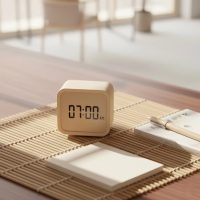
Tired of being jolted awake by a harsh, insistent buzz every morning? It’s a feeling many of us know all too well, and it can set a negative tone for the entire day. The truth is, how you wake up profoundly impacts your mood, energy levels, and overall productivity. While your smartphone has become the default alarm for many, dedicated wake up alarm clocks have evolved far beyond simple timekeepers. They are now sophisticated tools designed to synchronize with your body’s natural rhythms, offering a gentler, more refreshing start to your day.
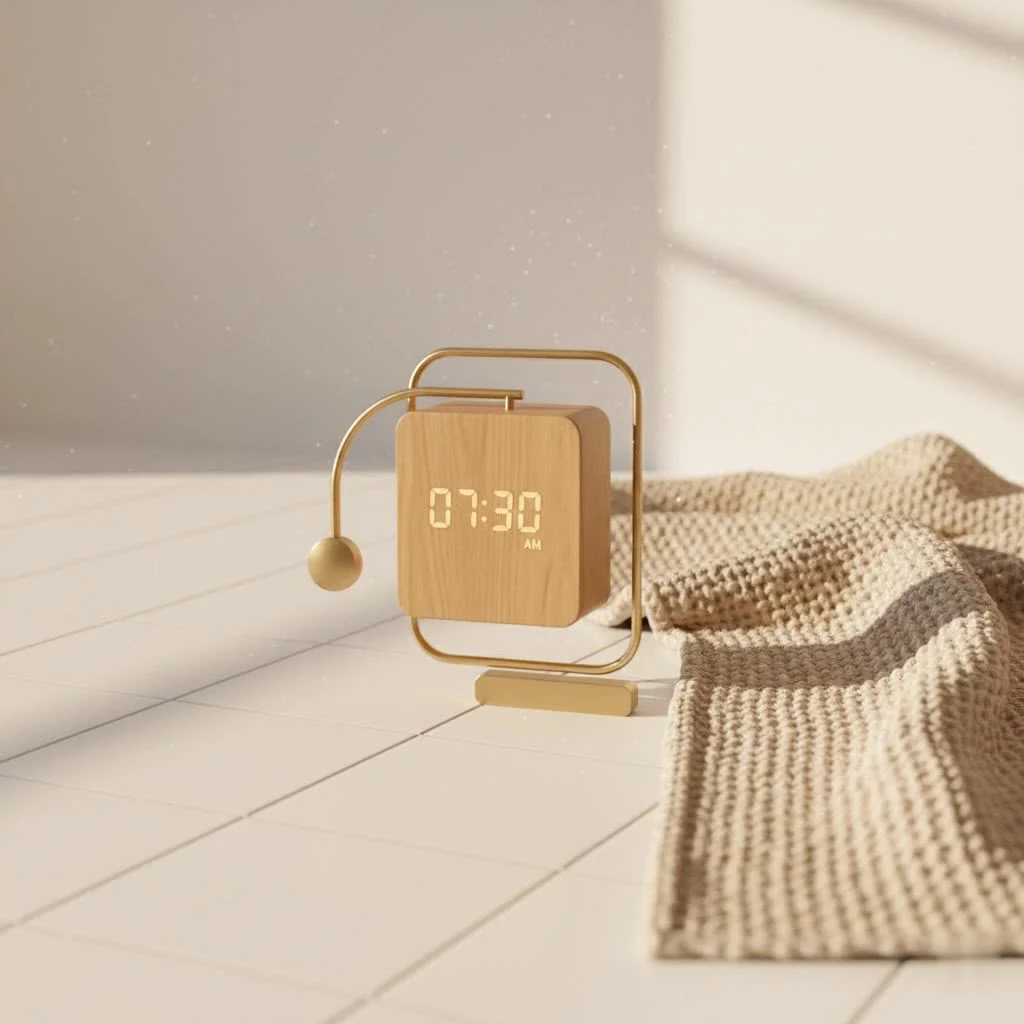
In this comprehensive guide, we’ll dive deep into the world of wake up alarm clocks, exploring their innovative features, diverse types, and how they can transform your morning routine. Get ready to discover how the right wake up alarm clock can help you reclaim your mornings and foster a healthier relationship with sleep. For browse all reviews articles on this site.
Why Ditch Your Phone Alarm? The Case for a Dedicated Wake Up Alarm Clock
While convenient, relying on your phone as a wake up alarm clock comes with several hidden drawbacks that can undermine good sleep hygiene. First, the temptation to scroll through social media or check emails before bed is almost irresistible when your phone is right there. This “screen time” exposes you to blue light, which can disrupt your body’s natural melatonin production, making it harder to fall asleep. By using a dedicated alarm clock, you can keep your phone out of the bedroom, fostering a healthier environment for rest.
Secondly, specialized wake up alarm clocks offer features that phones simply can’t replicate or execute as effectively. From simulating a gradual sunrise to playing calming nature sounds, these devices are built specifically to optimize your waking experience. They help you gently transition from sleep to alertness, reducing the sudden jolt that often accompanies a phone alarm. This shift can lead to reduced grogginess and a more positive start to your day.
Decoding Wake Up Alarm Clocks: Types and Their Unique Powers
The landscape of wake up alarm clocks is incredibly diverse, offering solutions for every preference and sleep style. Understanding the different types is key to finding your perfect morning companion.
The Classic Digital & Analog Alarm Clocks: Simplicity and Reliability
These are the workhorses of the alarm clock world, offering straightforward functionality.
- Digital Alarm Clocks: Known for their clear, easy-to-read LED displays, digital clocks often come with basic features like adjustable brightness, snooze functions, and sometimes a USB port for charging other devices. They are generally affordable and reliable.
- Analog Alarm Clocks: Featuring traditional clock faces with hands, analog alarms are favored by those who prefer a less distracting display. Many models boast quiet quartz movements to prevent ticking sounds from disturbing sleep, and their alarm tones often increase in volume, providing a gentle escalation rather than an abrupt blast.
Sunrise Alarm Clocks (Wake-Up Lights): The Gentle Revolution
|
Our Picks for the Best Alarm Clock in 2026
As an Amazon Associate I earn from qualifying purchases.
|
||
| Num | Product | Action |
|---|---|---|
| 1 | Wake Up Light Sunrise Alarm Clock for Kids, Heavy Sleepers, Bedroom, with Sunrise Simulation, Sleep Aid, Dual Alarms, FM Radio, Snooze, Nightlight, Daylight, 7 Colors, 7 Natural Sounds, Ideal for Gift |

|
| 2 | Philips SmartSleep Wake-up Light, Colored Sunrise and Sunset Simulation, 5 Natural Sounds, FM Radio & Reading Lamp, Tap Snooze, HF3520/60 |
|
| 3 | Mesqool Projection Alarm Clock, Digital Clock with 180° Rotatable Projector, 5-Level Brightness Dimmer, Clear LED Display, USB Charger, Progressive Volume, 9mins Snooze,12/24H, for Bedroom |
|
| 4 | Swissbrand Sunrise Alarm Clock with Multicolor LED Light, USB Charging & Indoor Temperature – Concrete-Print Digital Clock for Bedroom Nightstand |
|
| 5 | Amazon Basics Small Digital Oval Alarm Clock With LED Display, Nightlight & Battery Backup, Black, 4.5 x 3.5 x 2.4 Inches |
|
| 6 | Amazon Echo Spot (newest model), Great for nightstands, offices and kitchens, Smart alarm clock with Alexa+ Early Access, Glacier White |
|
| 7 | Digital Projection Alarm Clocks for Bedrooms - Large LED Display, 180° Rotatable Projector, 5-Level Dimmer,USB Charger,Battery Backup,Loud Dual Alarms for Kids Elderly,Heavy Sleepers,Snooze,12/24H,DST |
|
| 8 | LỖI |
|
| 9 | Mesqool Digital Projector Alarm Clocks for Kids Bedroom,Plug-in Clock with 180° Projection on Ceiling Wall,Dual Alarms for Heavy Sleepers,Battery Backup,USB Charging Port,Easy-to-Set,Dimmer,Snooze |
|
| 10 | Sunrise Alarm Clock White Noise Machine: Natural Wake Up Light - Dimmable Clock with Bluetooth Speaker for Bedroom - 25 Sleep Sounds for Baby Adults Kids Putty |
|
Often hailed as a game-changer for waking up, sunrise alarm clocks or “wake-up lights” mimic the natural dawn, gradually filling your room with light before your chosen alarm time.
- How They Work: These devices work in harmony with your body’s circadian rhythm, your internal body clock. As the light gradually brightens, it signals your brain to reduce melatonin (the sleep hormone) and increase serotonin (a mood-boosting hormone). This process gently coaxes your body into wakefulness.
- Benefits: Waking up with light instead of sudden noise can lead to feeling more refreshed, less groggy, and in a better mood. They are particularly beneficial for those living in areas with dark winters or using blackout curtains, and can even help alleviate symptoms of Seasonal Affective Disorder (SAD).
- Key Features: Look for models with adjustable sunrise durations (e.g., 15-90 minutes), varying light colors that transition from warm amber to bright white, and often a “sunset” mode to aid in winding down at night. Many also include natural sound options like birdsong or gentle chimes to complement the light.
Smart Alarm Clocks: Your Bedside Tech Companion
For those who love connectivity and customization, smart alarm clocks offer a wealth of advanced features, often controllable via smartphone apps or voice assistants.
- Advanced Features: These clocks often integrate with smart home systems, allow for app-controlled alarms, and provide a vast library of ambient noises, guided meditations, and bedtime stories to help both waking and falling asleep.
- Integration: Many smart alarm clocks double as smart speakers (like the Google Nest Hub), allowing you to stream music, get weather updates, or control other smart devices with voice commands.
- Considerations: Some smart models may require a subscription for full access to their content libraries, which is an important factor to consider in your budget.
Projection Alarm Clocks: Time on Your Ceiling
If you prefer to check the time without straining or fumbling for your glasses, a projection alarm clock is an excellent choice. These devices project the time onto your wall or ceiling, allowing for easy readability from any position in bed. Key features often include adjustable projection angles and brightness levels for optimal viewing.
Vibrating Alarm Clocks: For the Deepest Sleepers
For individuals who struggle to wake up to traditional sounds or lights, vibrating alarm clocks offer a highly effective solution. These devices typically come with a small puck or pad that you place under your pillow or mattress. At the set alarm time, the device vibrates powerfully, providing a silent yet undeniable wake-up cue. Many models combine vibration with sound or light alarms for a multi-sensory approach.
Essential Features to Look for in Your Next Wake Up Alarm Clock
Choosing the right wake up alarm clock means considering a range of features that align with your personal sleep habits and preferences.
- Adjustable Brightness and Display: The ability to dim the clock display at night is crucial to avoid disrupting sleep, while a bright, clear display is important for readability during the day. For sunrise alarms, look for a wide range of brightness settings and smooth light transitions.
- Sound Options: Some prefer gentle nature sounds or a favorite radio station, while others need a more robust beeping or buzzing sound to ensure they wake up. Many modern clocks offer a variety of tones, allowing you to choose what works best for you.
- Multiple Alarms and Snooze: If you or your partner have different wake-up times, or if you simply like to set multiple alarms as a backup, this feature is invaluable. A customizable snooze duration can also be a significant benefit.
- Power Source and Backup: Most digital and smart alarm clocks are AC powered. A battery backup is essential to ensure your alarm still goes off during power outages. Analog clocks often run on batteries, offering portability.
- Additional Conveniences: Look for extra features like built-in USB charging ports for your devices, FM/DAB radio for news or music, or Bluetooth connectivity to stream your own audio. Some also offer temperature displays or night light functions.
Expert Insights: Waking Up with Your Body’s Rhythm
“Understanding our body’s internal clock, or circadian rhythm, is fundamental to a good wake-up routine,” explains Dr. Elara Vance, a leading sleep chronobiologist. “Our bodies are wired to respond to light. As dawn approaches, the decrease in melatonin and increase in serotonin naturally prepares us for alertness. A wake up alarm clock that mimics this natural process, like a sunrise alarm, can significantly reduce the physiological stress of waking up, leading to sustained energy and improved mood throughout the day.” This expert perspective underscores the scientific benefits of choosing an alarm clock that aligns with our natural biology.
Choosing Your Perfect Wake Up Alarm Clock: A Personalized Approach
With so many options, finding your ideal wake up alarm clock might seem daunting, but by focusing on your needs, you can narrow down the choices:
- Assess Your Sleep Habits: Are you a heavy sleeper who needs a strong jolt or vibration, or a light sleeper who thrives on a gentle wake-up?
- Consider Your Budget: Basic models are very affordable, while smart and feature-rich clocks can be a significant investment.
- Desired Features: Do you prioritize simplicity, or do you crave advanced smart home integration, guided meditations, or a full suite of customization options?
- Bedroom Environment: Think about the size of your nightstand, your bedroom’s lighting (e.g., blackout curtains), and whether you want your alarm clock to double as a lamp or sound machine.
By carefully considering these factors, you can make an informed decision that supports your sleep health and improves your mornings.
Wake Up to a Better Day
A truly effective wake up alarm clock is more than just a device that tells time; it’s an investment in your well-being. By moving beyond the abrupt, jarring alarms of the past and embracing modern innovations like sunrise simulation, customizable sounds, and smart connectivity, you can transform your morning routine. A gentler, more natural wake-up can reduce stress, enhance your mood, and boost your energy, setting a positive foundation for whatever the day brings. Explore the wide array of wake up alarm clock options available and choose the one that helps you greet each day feeling truly refreshed and ready to go. Your mornings—and your entire day—will thank you for it.
Get our weekly buyer guide
Practical specs, not advice. Unsubscribe anytime.