The Philips Sunrise Alarm Clock is a personal sunrise simulator designed to revolutionize morning routines by mimicking natural dawn. It works by gradually increasing light intensity 20 to 40 minutes before a set alarm time, transitioning from a deep red to bright yellow or white light, which signals the body to reduce melatonin and increase cortisol for a smoother wake-up.
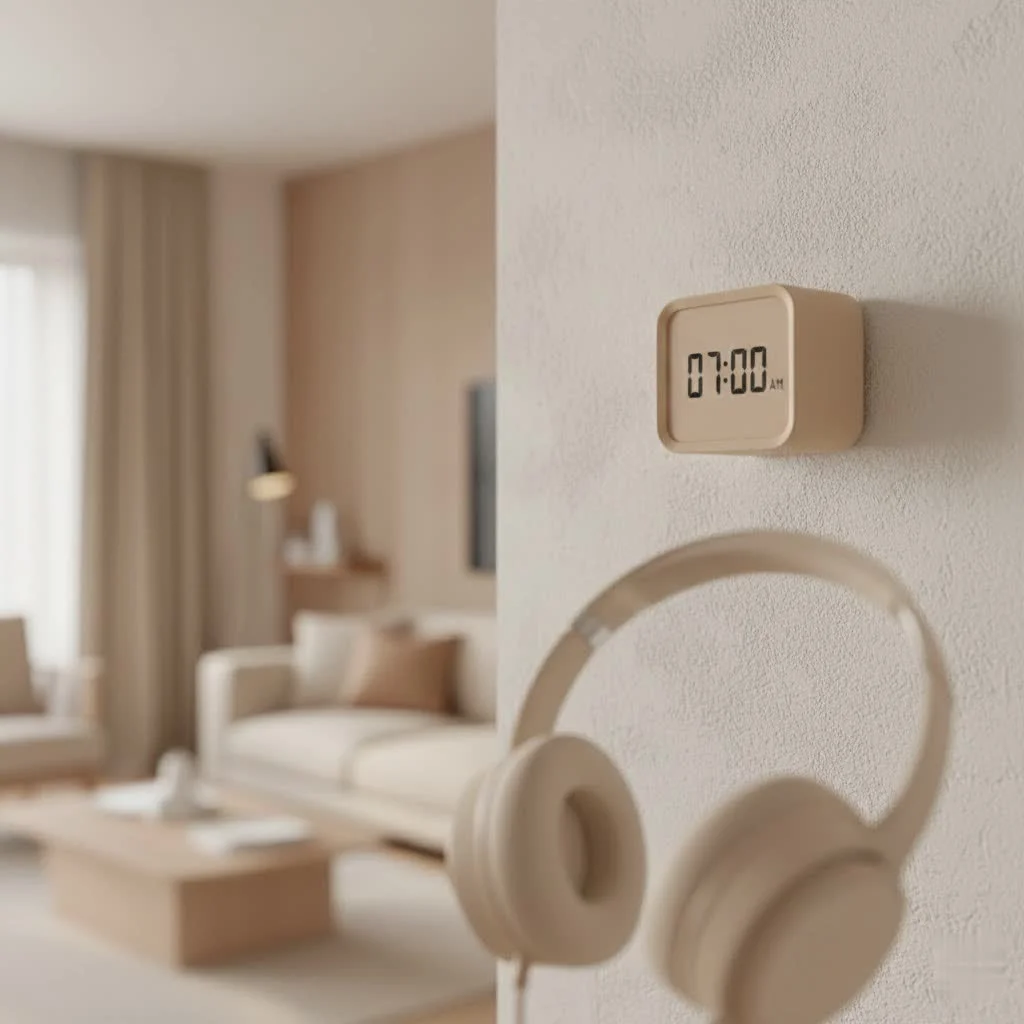
Imagine opening your eyes not to a harsh sound, but to a room gradually filling with soft, natural light, mimicking the beauty of dawn. This isn’t science fiction; it’s the core promise of the Philips Sunrise Alarm Clock, a device engineered to work with your body’s natural rhythms. For shop curated reviews on this site.
What is a Philips Sunrise Alarm Clock and How Does it Work?
At its heart, a Philips Sunrise Alarm Clock is a sophisticated device that simulates the gradual increase of natural daylight. Instead of an abrupt sound, it begins to emit a soft, warm light about 20 to 40 minutes before your set alarm time. This light slowly intensifies, transitioning through a spectrum of colors—from a deep, calming red to warm orange, and finally to a bright, invigorating yellow or white light. By the time your alarm is set to go off, your room is bathed in light, signaling your body that it’s time to wake up.
How does this gentle illusion work its magic? Our bodies are intrinsically linked to light. Exposure to light, especially in the morning, plays a crucial role in regulating our circadian rhythm, often called our internal body clock. This rhythm controls our sleep-wake cycle, affecting everything from hormone production to mood and energy levels. As the Philips Sunrise Alarm Clock gradually brightens, it cues your body to reduce the production of melatonin, the sleep hormone, and increase cortisol, the hormone associated with wakefulness and alertness. This prepares your body for waking up naturally, making the transition from sleep to alertness much smoother than a traditional loud alarm ever could.
The Undeniable Benefits of Waking Up with a Philips Sunrise Alarm Clock
Many people find the idea of a gentle awakening appealing, but the benefits of a Philips Sunrise Alarm Clock extend far beyond mere comfort.
More Peaceful Wake-Up
One of the most immediate and noticeable benefits is the absence of that jarring feeling caused by traditional alarms. Imagine waking up gently, feeling refreshed, rather than being jolted awake. This gradual process allows your body to emerge from sleep naturally, reducing morning grogginess and stress.
Improved Mood and Energy
Studies and user experiences consistently show that waking up to simulated sunrise light can significantly improve morning mood and increase overall energy levels throughout the day. “Waking up gently with light helps align your body’s natural clock, which can significantly boost your mood and combat morning inertia,” explains Dr. Evelyn Reed, a renowned sleep physiologist. This makes the Philips Sunrise Alarm Clock an excellent tool for cultivating a positive start to your day.
Enhanced Circadian Rhythm Alignment
Consistent use of a sunrise alarm clock helps reinforce a healthy circadian rhythm. For those with irregular sleep schedules, or simply those looking to optimize their natural sleep-wake cycle, this gentle light therapy can be incredibly beneficial. It effectively trains your body to wake up at a consistent time, leading to better sleep quality overall.
Combats Seasonal Affective Disorder (SAD)
For many, the darker winter months can bring on symptoms of Seasonal Affective Disorder (SAD), characterized by low mood, lethargy, and oversleeping. Light therapy is a recognized treatment for SAD, and the bright, full-spectrum light emitted by a Philips Sunrise Alarm Clock can help alleviate these symptoms by mimicking essential daylight exposure, even when the sun isn’t shining outside.
Better Sleep Quality (via Sunset Simulation)
Beyond just waking you up, many advanced Philips Sunrise Alarm Clock models offer a “sunset simulation” feature. This reverses the process of the sunrise, gradually dimming the light and, in some cases, playing calming sounds. This gentle winding-down routine signals to your body that it’s time to prepare for sleep, promoting relaxation and making it easier to fall asleep peacefully.
Key Features to Look for in Philips Sunrise Alarm Clocks
|
Our Picks for the Best Alarm Clock in 2026
As an Amazon Associate I earn from qualifying purchases.
|
||
| Num | Product | Action |
|---|---|---|
| 1 | LỖI |

|
| 2 | Sunrise Alarm Clock White Noise Machine: Natural Wake Up Light - Dimmable Clock with Bluetooth Speaker for Bedroom - 25 Sleep Sounds for Baby Adults Kids Putty |
|
| 3 | Mesqool Projection Alarm Clock, Digital Clock with 180° Rotatable Projector, 5-Level Brightness Dimmer, Clear LED Display, USB Charger, Progressive Volume, 9mins Snooze,12/24H, for Bedroom |
|
| 4 | Mesqool Digital Projector Alarm Clocks for Kids Bedroom,Plug-in Clock with 180° Projection on Ceiling Wall,Dual Alarms for Heavy Sleepers,Battery Backup,USB Charging Port,Easy-to-Set,Dimmer,Snooze |
|
| 5 | Swissbrand Sunrise Alarm Clock with Multicolor LED Light, USB Charging & Indoor Temperature – Concrete-Print Digital Clock for Bedroom Nightstand |
|
| 6 | Wake Up Light Sunrise Alarm Clock for Kids, Heavy Sleepers, Bedroom, with Sunrise Simulation, Sleep Aid, Dual Alarms, FM Radio, Snooze, Nightlight, Daylight, 7 Colors, 7 Natural Sounds, Ideal for Gift |
|
| 7 | Amazon Echo Spot (newest model), Great for nightstands, offices and kitchens, Smart alarm clock with Alexa+ Early Access, Glacier White |
|
| 8 | Philips SmartSleep Wake-up Light, Colored Sunrise and Sunset Simulation, 5 Natural Sounds, FM Radio & Reading Lamp, Tap Snooze, HF3520/60 |
|
| 9 | Amazon Basics Small Digital Oval Alarm Clock With LED Display, Nightlight & Battery Backup, Black, 4.5 x 3.5 x 2.4 Inches |
|
| 10 | Digital Projection Alarm Clocks for Bedrooms - Large LED Display, 180° Rotatable Projector, 5-Level Dimmer,USB Charger,Battery Backup,Loud Dual Alarms for Kids Elderly,Heavy Sleepers,Snooze,12/24H,DST |
|
Philips offers a range of sunrise alarm clocks, each with a unique set of features. Understanding these can help you choose the perfect model for your needs.
Sunrise and Sunset Simulation
All Philips Sunrise Alarm Clock models feature the core sunrise simulation, but many also include a sunset simulation. This allows the light to gradually dim over a set period (e.g., 30 minutes) before bed, often transitioning from a warm yellow to a soft red, helping you relax and fall asleep naturally.
Adjustable Brightness Settings
From soft glow to bright daylight, Philips models offer a wide range of brightness settings (from 10 to 25 or more levels). This customization is crucial, as individual light sensitivity varies greatly. You can fine-tune the maximum brightness to ensure you wake up comfortably, whether you prefer a subtle glow or a powerful illumination.
Natural Wake-Up Sounds
While the light is the primary wake-up mechanism, most Philips Sunrise Alarm Clock models complement it with a selection of natural sounds. Imagine waking to the gentle chirping of birds, soothing ocean waves, or tranquil forest sounds. These sounds gradually increase in volume, providing an additional layer of gentle awakening.
FM Radio
For those who prefer news or music, many Philips models include an integrated FM radio, allowing you to wake up to your favorite station. Some even offer presets for easy access.
Multiple Alarm Settings
If your weekday and weekend schedules differ, a Philips Sunrise Alarm Clock with dual alarm settings is invaluable. This feature allows you to set separate wake-up times without having to readjust settings daily.
Snooze Function
Yes, even with a gentle awakening, sometimes a few extra minutes are needed. Most Philips models offer a convenient snooze function, often activated by a simple tap on the device, allowing you to catch a few more moments of rest before the light and sound gently return.
Bedside Lamp Functionality
Beyond alarm capabilities, these devices often double as versatile bedside lamps. With adjustable brightness, they’re perfect for reading before bed or providing soft ambient light.
Display Dimming
A bright clock display can disrupt sleep. Many Philips Sunrise Alarm Clock models feature automatic or manual display dimming, ensuring the time display is not distracting in a dark room. Some even allow you to turn the display off completely.
Advanced Features
Higher-end Philips SmartSleep models might include advanced features like RelaxBreathe guided breathing programs to help you unwind, a USB port for charging your phone, or app control for more intuitive management of settings and wake-up profiles. The Philips Hue Twilight, for example, integrates into the Hue smart lighting ecosystem for ultimate light customization, though it may require a Philips Hue Bridge.
Popular Philips Sunrise Alarm Clock Models
Philips has several notable models that cater to different needs and budgets:
- Philips HF3500: Often considered the entry-level model, it provides effective sunrise simulation and some basic sound options. It’s a solid choice for those new to light alarms, though some older versions might have limitations like an unchangeable alarm beep.
- Philips HF3520/60 (Best-Seller): This is a popular mid-range option, praised for its colored sunrise simulation (transitioning from red to yellow), five natural sounds, FM radio, tap snooze, and 20 brightness settings. It also features sunset simulation, making it a comprehensive choice for many users.
- Philips HF3650/60 SmartSleep: This advanced model offers extensive customization. It includes simulated sunrise and sunset with a wider range of colors, multiple sounds, and the innovative RelaxBreathe program to guide you to sleep. It often integrates with a companion app for enhanced control and sleep tracking capabilities, making it ideal for tech-savvy users seeking a holistic sleep solution.
- Philips Hue Twilight: This is Philips’ smart lighting focused wake-up light. It’s designed for the smoothest possible dimming and color transitions, utilizing two light sources for a truly immersive experience. While excellent for light simulation, it typically requires a Philips Hue Bridge for full functionality and might appeal more to users already invested in the Philips Hue ecosystem.
How to Set Up Your Philips Sunrise Alarm Clock
Setting up your Philips Sunrise Alarm Clock is generally straightforward:
- Placement: For optimal effect, place the device about 16-20 inches (40-50 cm) from your head, usually on a bedside table.
- Set the Time: Plug it in and set the current time, choosing between 12-hour or 24-hour format.
- Set Your Alarm:
- Select your desired wake-up time.
- Choose your preferred maximum light intensity. Experiment over a few days to find what works best for you.
- Select your wake-up sound (natural sounds, FM radio, or no sound).
- Adjust Sunrise Duration: Most models allow you to set how long the light simulation lasts before your alarm time (e.g., 20, 30, or 40 minutes). A longer duration provides a more gradual awakening.
- Display Brightness: Adjust the display brightness to a comfortable level for nighttime viewing, or turn it off completely if available.
- Explore Snooze: Familiarize yourself with the snooze function, typically a simple tap.
Tips for Optimizing Your Philips Sunrise Alarm Clock Experience
To truly maximize the benefits of your Philips Sunrise Alarm Clock, consider these expert tips:
- Experiment with Settings: Don’t be afraid to try different light intensities, sunrise durations, and sounds. What works perfectly for one person might not for another. Give yourself a few days to adjust to new settings.
- Utilize Sunset Simulation: If your model includes it, make the sunset simulation a part of your nightly wind-down routine. It helps signal to your body that it’s time to prepare for sleep.
- Consistency is Key: For the best results in regulating your circadian rhythm, try to maintain a consistent wake-up time, even on weekends. Your Philips Sunrise Alarm Clock will help make this easier.
- Combine with Good Sleep Hygiene: While a powerful tool, the alarm clock is most effective when paired with other healthy sleep habits, such as a cool, dark, and quiet bedroom, avoiding caffeine before bed, and regular exercise.
Frequently Asked Questions (FAQ)
Are Philips sunrise alarm clocks truly effective?
Yes, many users and studies indicate they are highly effective. The gradual light simulation works with your body’s natural biology to promote a more peaceful and energetic wake-up, leading to improved mood and alertness throughout the day.
Which Philips model is best for heavy sleepers?
For heavy sleepers, models with higher maximum brightness settings and a good range of natural, gradually increasing sounds, like the Philips HF3520/60 or HF3650/60 SmartSleep, are often recommended. The light simulation usually starts strong enough to gently rouse even deep sleepers before the optional sound kicks in.
Can a Philips sunrise alarm clock help with Seasonal Affective Disorder (SAD)?
Absolutely. The bright light emitted by these clocks can be a form of light therapy, which is a common and effective treatment for SAD symptoms, especially during darker seasons when natural light exposure is limited.
How far should the Philips sunrise alarm clock be from my bed?
It’s generally recommended to place your Philips Sunrise Alarm Clock about 16-20 inches (40-50 cm) from your head on a bedside table. This distance ensures optimal light exposure for effective wake-up simulation.
Do Philips sunrise alarm clocks have a battery backup for power outages?
While some older or simpler models might not, many newer Philips models often feature a power backup for the clock settings, ensuring your alarm time isn’t lost during brief power interruptions. However, the light simulation might not function during an outage. Always check the specific model’s specifications.
Can I turn off the sound and only use the light to wake up?
Yes, most Philips Sunrise Alarm Clock models offer the option to use only the light simulation without any accompanying sound. This is perfect for those who prefer the quietest, most natural awakening possible.
What is the main difference between the Philips HF3520 and HF3650 models?
The HF3520 is a popular mid-range model offering colored sunrise/sunset simulation, natural sounds, and FM radio. The HF3650 SmartSleep is a more advanced model that often includes features like RelaxBreathe guided breathing, a wider range of light and sound options, and usually app connectivity for deeper customization and sleep tracking capabilities, making it a more holistic sleep solution.
Embrace a Brighter Tomorrow with Philips
The way we start our day profoundly impacts how we experience the hours that follow. The traditional, abrupt alarm clock often sets a negative tone, but the Philips Sunrise Alarm Clock offers a compelling alternative. By use the power of light, it guides your body through a natural awakening process, helping you feel more refreshed, energetic, and positive from the moment your feet hit the floor.
As an expert at Rzygw.com, I firmly believe in the transformative potential of smart sleep solutions. Investing in a Philips Sunrise Alarm Clock isn’t just buying a gadget; it’s investing in your well-being, your mood, and your overall quality of life. Make the switch and discover how a gentle, natural start can pave the way for a truly brighter, more productive day. What are you waiting for? It’s time to rise and shine, naturally.
Frequently Asked Questions
Are Philips sunrise alarm clocks truly effective for waking up?
Yes, Philips sunrise alarm clocks are highly effective. The gradual light simulation works with your body's natural biology, promoting a more peaceful and energetic wake-up, which leads to improved mood and alertness throughout the day for many users.
Which Philips sunrise alarm clock model is best for heavy sleepers?
For heavy sleepers, models such as the Philips HF3520/60 or HF3650/60 SmartSleep are recommended. These models offer higher maximum brightness settings and a good range of natural, gradually increasing sounds, ensuring even deep sleepers are gently roused before the optional sound activates.
Can a Philips sunrise alarm clock help alleviate Seasonal Affective Disorder (SAD) symptoms?
Absolutely, a Philips sunrise alarm clock can help with Seasonal Affective Disorder (SAD). The bright light emitted by these clocks functions as a form of light therapy, which is a recognized and effective treatment for SAD symptoms, especially during darker seasons with limited natural light exposure.
What is the ideal placement distance for a Philips sunrise alarm clock?
For optimal effect, it is generally recommended to place your Philips Sunrise Alarm Clock about 16-20 inches (40-50 cm) from your head. This distance, typically on a bedside table, ensures sufficient light exposure for effective wake-up simulation.
Do Philips sunrise alarm clocks offer a battery backup feature?
Many newer Philips sunrise alarm clock models often include a power backup for clock settings, preventing loss of alarm times during brief power interruptions. However, the light simulation itself might not operate during an outage, so checking specific model specifications is advised.
What are the main differences between the Philips HF3520 and HF3650 models?
The Philips HF3520 is a popular mid-range model featuring colored sunrise/sunset simulation, natural sounds, and FM radio. The HF3650 SmartSleep is a more advanced model, often including RelaxBreathe guided breathing programs, a wider array of light and sound options, and app connectivity for deeper customization and sleep tracking, making it a more comprehensive sleep solution.
Set Up Your Philips Sunrise Alarm Clock
Follow these steps to set up your Philips Sunrise Alarm Clock for an optimal natural awakening experience.
Position your Philips Sunrise Alarm Clock about 16-20 inches (40-50 cm) from your head. A bedside table is typically the ideal location to ensure optimal light exposure.
Plug in the device and set the current time, choosing between 12-hour or 24-hour format. Then, select your desired wake-up time, preferred maximum light intensity, and a wake-up sound (natural sounds, FM radio, or no sound).
Most models allow you to customize how long the light simulation lasts before your alarm time, typically 20, 30, or 40 minutes. A longer duration provides a more gradual and gentle awakening process.
Adjust the display brightness to a comfortable level for nighttime viewing, or turn it off completely if available. Familiarize yourself with the snooze function, which is often activated by a simple tap on the device.
Get our weekly buyer guide
Practical specs, not advice. Unsubscribe anytime.
The concept of a sunrise simulator is great, and the Philips Sunrise Alarm Clock does a decent job. I appreciate the idea of the light gradually increasing over 20 to 40 minutes. However, I found the sound options a bit limited for my taste; I wish there were more natural sounds to choose from. It’s good, but not perfect for my specific preferences.
This alarm clock is fantastic for anyone who wants to improve their morning routine. I love how it works with your body’s natural rhythms by reducing melatonin and increasing cortisol. I used to hit snooze multiple times, but now I wake up feeling much more alert and ready to start my day. It’s definitely worth the investment for better sleep and waking.
I’ve always struggled with waking up to a blaring alarm, especially in the winter. The Philips Sunrise Alarm Clock has been a game-changer for me. The gradual light increase really does make a difference; I feel so much more refreshed and less groggy. It’s amazing how much better my mornings are now that I’m not jolted awake.
I was skeptical about a light alarm clock, but this Philips model really delivers. The transition from deep red to bright yellow light is surprisingly effective at getting me out of bed without feeling rushed. My only minor complaint is that the initial setup took a little longer than I expected to get all the settings just right. Otherwise, it’s a solid purchase.