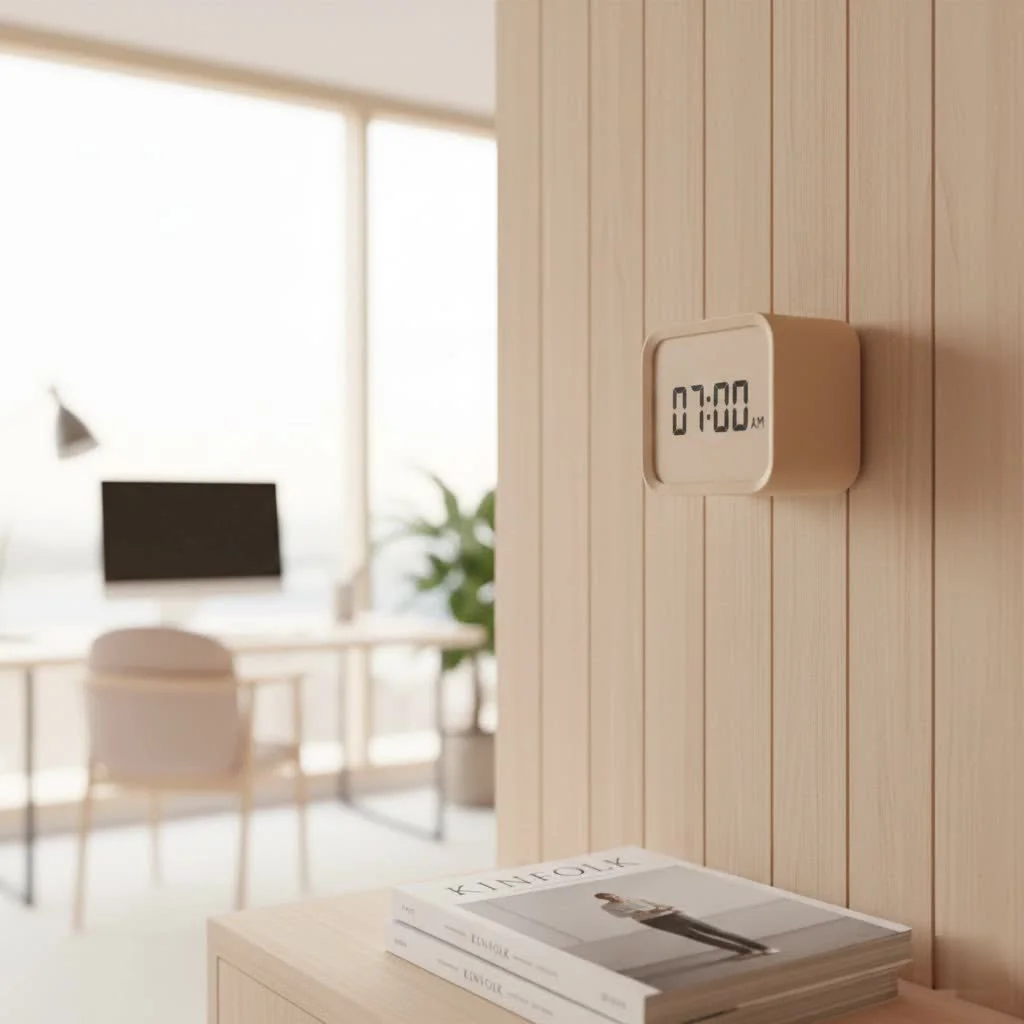
A sunshine alarm clock, also known as a sunrise alarm or wake-up light, is a specialized alarm system that uses light to gently rouse you from sleep, mimicking a natural sunrise. These innovative devices typically begin emitting a dim, warm glow 20 to 60 minutes before your set alarm time, gradually intensifying and transitioning through various hues. This process naturally decreases melatonin production and boosts cortisol, leading to a gentler, more natural awakening compared to abrupt sound alarms.
This profound shift in your morning routine can transform not only how you wake up but also your overall sleep quality and daily well-being. At Rzygw, we’re dedicated to helping you understand complex sleep technologies through simple, actionable insights, empowering you to make informed choices for a healthier, happier life.
What Exactly is a Sunshine Alarm Clock?
At its core, a sunshine alarm clock is a specialized alarm system that uses light—rather than abrupt sound—to gently rouse you from sleep. Unlike traditional alarms that jolt you awake with a sudden noise, these clocks simulate the gradual brightening of dawn. Typically, 20 to 60 minutes before your set alarm time, the clock begins to emit a dim, warm glow that slowly intensifies, transitioning through various hues, much like a real sunrise. By the time your alarm is set to sound (or even before, if you prefer a silent wake-up), your room is filled with light, naturally signaling your body to transition to wakefulness.
The science behind this gentle awakening is fascinating and rooted deeply in our biology. Our bodies operate on a sophisticated internal 24-hour cycle known as the circadian rhythm, which largely dictates our sleep-wake patterns. Light is the most powerful external cue for regulating this rhythm. When light hits your eyes, it sends signals to your brain, influencing the production of key hormones. “A properly regulated circadian rhythm is the cornerstone of restorative sleep and energized waking. Sunshine alarm clocks are incredibly effective at recalibrating this internal clock,” says Dr. Elena Petrova, a renowned chronobiologist and sleep research consultant. In essence, these devices leverage your body’s natural response to light, providing a smoother, more harmonious transition from sleep to day.
The Surprising Benefits of Waking Up with Light
The advantages of integrating a sunshine alarm clock into your daily routine extend far beyond simply avoiding a jarring morning jolt. This sophisticated approach to waking up offers a cascade of benefits for your physical and mental well-being.
A Gentler, More Natural Awakening
|
Our Picks for the Best Alarm Clock in 2026
As an Amazon Associate I earn from qualifying purchases.
|
||
| Num | Product | Action |
|---|---|---|
| 1 | Wake Up Light Sunrise Alarm Clock for Kids, Heavy Sleepers, Bedroom, with Sunrise Simulation, Sleep Aid, Dual Alarms, FM Radio, Snooze, Nightlight, Daylight, 7 Colors, 7 Natural Sounds, Ideal for Gift |

|
| 2 | Amazon Echo Spot (newest model), Great for nightstands, offices and kitchens, Smart alarm clock with Alexa+ Early Access, Glacier White |
|
| 3 | Mesqool Projection Alarm Clock, Digital Clock with 180° Rotatable Projector, 5-Level Brightness Dimmer, Clear LED Display, USB Charger, Progressive Volume, 9mins Snooze,12/24H, for Bedroom |
|
| 4 | Mesqool Digital Projector Alarm Clocks for Kids Bedroom,Plug-in Clock with 180° Projection on Ceiling Wall,Dual Alarms for Heavy Sleepers,Battery Backup,USB Charging Port,Easy-to-Set,Dimmer,Snooze |
|
| 5 | Philips SmartSleep Wake-up Light, Colored Sunrise and Sunset Simulation, 5 Natural Sounds, FM Radio & Reading Lamp, Tap Snooze, HF3520/60 |
|
| 6 | Digital Projection Alarm Clocks for Bedrooms - Large LED Display, 180° Rotatable Projector, 5-Level Dimmer,USB Charger,Battery Backup,Loud Dual Alarms for Kids Elderly,Heavy Sleepers,Snooze,12/24H,DST |
|
| 7 | Amazon Basics Small Digital Oval Alarm Clock With LED Display, Nightlight & Battery Backup, Black, 4.5 x 3.5 x 2.4 Inches |
|
| 8 | LỖI |
|
| 9 | Sunrise Alarm Clock White Noise Machine: Natural Wake Up Light - Dimmable Clock with Bluetooth Speaker for Bedroom - 25 Sleep Sounds for Baby Adults Kids Putty |
|
| 10 | Swissbrand Sunrise Alarm Clock with Multicolor LED Light, USB Charging & Indoor Temperature – Concrete-Print Digital Clock for Bedroom Nightstand |
|
Imagine waking up feeling refreshed and energized, rather than groggy and disoriented. That’s the primary promise of a sunshine alarm clock. The gradual increase in light naturally decreases the production of melatonin, the hormone that makes you feel sleepy, and simultaneously boosts cortisol, the hormone associated with alertness. This gentle hormonal shift helps you emerge from sleep more naturally, reducing the common phenomenon of “sleep inertia”—that heavy, confused feeling many of us experience after being abruptly woken by a loud noise. It’s like your body is being eased out of a deep slumber, rather than being pulled out by force.
Regulating Your Body’s Internal Clock
One of the most significant benefits of a sunshine alarm clock is its ability to help regulate your circadian rhythm. In our modern world, filled with artificial light and inconsistent schedules, our internal clocks can easily fall out of sync. By providing a consistent, simulated sunrise, these clocks reinforce a healthy sleep-wake cycle. This regularity can lead to more consistent sleep patterns, making it easier to fall asleep at night and wake up feeling truly rested in the morning. This consistency is crucial for overall sleep quality, contributing to better long-term health.
Boosting Mood and Productivity
The impact of natural light on our mood is well-documented. Exposure to bright light, particularly in the morning, can significantly enhance your mood and cognitive function. For those who struggle with Seasonal Affective Disorder (SAD) during darker winter months, a sunshine alarm clock can be a powerful tool, providing much-needed light therapy to alleviate symptoms and improve energy levels. Beyond SAD, a smoother, more pleasant wake-up experience can lead to a more positive outlook throughout the day, enhancing focus, creativity, and overall productivity. When you start your day feeling good, you’re better equipped to tackle challenges and make the most of your time.
Beyond Morning: Supporting Your Sleep Cycle
Many advanced sunshine alarm clocks offer more than just a sunrise simulation. They often include a “sunset” feature, which reverses the process, gradually dimming the light over a set period. This can be incredibly beneficial for winding down at night, signaling to your body that it’s time to prepare for sleep. By incorporating both sunrise and sunset simulations, these devices can support a holistic approach to sleep hygiene, helping you both fall asleep more easily and wake up more naturally. This comprehensive light exposure pattern contributes to a healthier, more balanced sleep cycle round the clock.
How Does a Sunshine Alarm Clock Work Its Magic?
Understanding the precise mechanism of a sunshine alarm clock can help you appreciate its effectiveness. It’s not just about turning on a light; it’s about a carefully calibrated process designed to work with your body’s physiology.
When you set your desired wake-up time, the sunshine alarm clock initiates its program, typically beginning 20 to 60 minutes beforehand. The light starts at a very low intensity, often a soft red or amber hue, mimicking the earliest glow of dawn. Over the pre-set duration, the light gradually increases in brightness, often changing color from warm reds and oranges to brighter yellows and whites, just like a natural sunrise.
This increasing light is perceived by specialized photoreceptors in your eyes. These receptors send signals directly to the suprachiasmatic nucleus (SCN) in your brain’s hypothalamus, which acts as your body’s master clock. The SCN then communicates with the pineal gland, instructing it to decrease the production of melatonin, the sleep-inducing hormone. Simultaneously, the body begins to release cortisol, preparing you for wakefulness. This gentle, incremental change allows your body to naturally transition from a state of deep sleep to a lighter stage, making the final wake-up (whether by light alone or with an optional gentle sound) far less abrupt and more comfortable. The adjustable duration of the sunrise simulation means you can personalize the experience to match your individual sensitivity to light and preferred wake-up style.
Choosing the Right Sunshine Alarm Clock for You
With a growing market of sunshine alarm clocks, finding the perfect one can seem daunting. As your trusted guide at Rzygw.com, I’ll walk you through the essential features and considerations to ensure you make an informed choice that truly enhances your sleep.
Key Features to Look For
- Brightness Levels and Light Colors: Look for models with a wide range of brightness settings and the ability to display various light colors. A good clock will transition smoothly from warm, dim reds to bright, natural whites or yellows, closely mimicking a true sunrise.
- Customizable Sunrise/Sunset Duration: The ideal simulation time varies from person to person. A clock that allows you to adjust the sunrise (and ideally, sunset) duration from 15 to 90 minutes offers greater personalization and effectiveness.
- Sound Options: While light is primary, many clocks offer supplementary sounds like nature sounds (birds, waves), white noise, or even an FM radio. These can serve as a gentle backup alarm or aid in falling asleep with the sunset feature.
- Connectivity and Smart Features: Some advanced models integrate with smart home systems or offer app control, allowing for more precise scheduling, personalized routines, and additional features like guided meditations.
- Design and User-Friendliness: Consider the aesthetics and how easily you can set and adjust the clock. Intuitive controls and a clear, dimmable display are important for a seamless user experience, especially in the dark.
Considerations for Different Sleepers
- Heavy Sleepers: If you’re a particularly deep sleeper, you might benefit from a model that combines light with a gentle, escalating sound alarm, ensuring you don’t oversleep while still enjoying a gradual wake-up.
- Those with SAD: For individuals prone to Seasonal Affective Disorder, look for clocks that offer higher lux levels (a measure of light intensity) and a full spectrum of light, specifically designed for light therapy.
- Night Shift Workers: Sunshine alarm clocks can be invaluable for night shift workers, helping to establish a consistent “daytime” wake-up even when it’s dark outside. Ensure the clock allows for flexible scheduling.
- Budget: Sunshine alarm clocks range widely in price, from basic models around $30 to advanced smart devices costing over $200. Determine which features are essential for you and set a realistic budget.
Maximizing Your Sunshine Alarm Clock Experience
Simply owning a sunshine alarm clock is the first step; optimizing its use will unlock its full potential. Here are a few expert tips to help you get the most out of your device and truly improve your mornings:
- Ensure a Dark Room: For the sunshine simulation to be most effective, your bedroom should be as dark as possible before the light begins. Block out external light with blackout curtains or blinds so the clock’s light is the primary stimulus.
- Consistency is Key: Just like any good sleep hygiene practice, consistency with your wake-up time is paramount. Try to set your sunshine alarm clock for roughly the same time each day, even on weekends, to further reinforce your circadian rhythm.
- Establish a Bedtime Routine: While the sunshine alarm clock focuses on waking, a good night’s sleep starts long before. Pair your new alarm with a relaxing bedtime routine, perhaps utilizing the clock’s sunset simulation or white noise features to unwind. Avoid screens, heavy meals, and strenuous activity close to bedtime.
- Positioning Matters: Place the sunshine alarm clock where its light can effectively reach you. On a bedside table, at eye level, is usually ideal. You want the light to hit your face, even through closed eyelids, to signal wakefulness to your brain.
- Listen to Your Body: Pay attention to how you feel. If you’re still feeling groggy, you might need to adjust the duration of the sunrise simulation or its peak brightness. It’s an iterative process to find what works best for your unique physiology. As we often advise at Rzygw.com, “Your body is the best feedback mechanism; tune into its signals to fine-tune your sleep environment.”
Frequently Asked Questions About Sunshine Alarm Clocks
Q1: Are sunshine alarm clocks effective for everyone?
A: While highly effective for most people, the degree of benefit can vary. Heavy sleepers might still need a gentle sound alongside the light, at least initially. Those with underlying sleep disorders should consult a healthcare professional.
Q2: Can they help with Seasonal Affective Disorder (SAD)?
A: Yes, many individuals with SAD find sunshine alarm clocks to be very beneficial. The bright light exposure, particularly in the morning, can help alleviate symptoms by mimicking natural daylight, which is often lacking during darker months.
Q3: Is a sunshine alarm clock better than my phone alarm?
A: Absolutely. A phone alarm typically uses a jarring sound, which can increase stress and leave you feeling groggy. A sunshine alarm clock, by contrast, provides a much more natural and gentle wake-up, promoting a smoother transition to alertness and often improving overall mood.
Q4: How long does the sunrise simulation last?
A: Most sunshine alarm clocks offer adjustable sunrise simulation durations, typically ranging from 15 to 90 minutes. This allows you to customize how gradually the light intensifies before your set wake-up time.
Q5: Do they offer other features besides light?
A: Many models come with additional features such as a variety of natural wake-up sounds, FM radio, white noise for sleep, sunset simulation for winding down, and sometimes USB charging ports or smart home connectivity.
Embrace a Brighter Morning
The days of being rudely awakened by a blaring alarm are over. By understanding and embracing the technology of the sunshine alarm clock, you can improve your morning routine into a gentle, invigorating experience that aligns with your body’s natural rhythms. From reducing grogginess and improving your mood to boosting overall sleep quality, the benefits are clear.
Take the first step towards a brighter, more energized life. Explore the possibilities, choose the sunshine alarm clock that best fits your needs, and rediscover the joy of waking up naturally. At Rzygw.com, we believe that better sleep leads to a better life, and a sunshine alarm clock is a powerful tool in achieving just that.
Frequently Asked Questions
Are sunshine alarm clocks effective for everyone?
While highly effective for most people, the degree of benefit can vary. Heavy sleepers might still need a gentle sound alongside the light, at least initially. Those with underlying sleep disorders should consult a healthcare professional for personalized advice.
Can sunshine alarm clocks help with Seasonal Affective Disorder (SAD)?
Yes, many individuals with SAD find sunshine alarm clocks to be very beneficial. The bright light exposure, particularly in the morning, can help alleviate symptoms by mimicking natural daylight, which is often lacking during darker months, providing a form of light therapy.
Is a sunshine alarm clock better than a phone alarm?
Absolutely. A phone alarm typically uses a jarring sound, which can increase stress and leave you feeling groggy. A sunshine alarm clock, by contrast, provides a much more natural and gentle wake-up, promoting a smoother transition to alertness and often improving overall mood and reducing sleep inertia.
How long does the sunrise simulation last on these devices?
Most sunshine alarm clocks offer adjustable sunrise simulation durations, typically ranging from 15 to 90 minutes. This allows users to customize how gradually the light intensifies before their set wake-up time, tailoring the experience to individual preferences.
Do sunshine alarm clocks offer features beyond just light?
Many models come with additional features such as a variety of natural wake-up sounds, FM radio, white noise for sleep, sunset simulation for winding down, and sometimes USB charging ports or smart home connectivity. These features enhance the overall sleep and wake-up experience.
Maximizing Your Sunshine Alarm Clock Experience
Optimize your sunshine alarm clock's potential to transform your mornings and improve your sleep quality.
For the sunshine simulation to be most effective, your bedroom should be as dark as possible before the light begins. Block out external light with blackout curtains or blinds so the clock's light is the primary stimulus for your body.
Just like any good sleep hygiene practice, consistency with your wake-up time is paramount. Try to set your sunshine alarm clock for roughly the same time each day, even on weekends, to further reinforce your circadian rhythm and promote better sleep patterns.
While the sunshine alarm clock focuses on waking, a good night's sleep starts long before. Pair your new alarm with a relaxing bedtime routine, perhaps utilizing the clock's sunset simulation or white noise features to unwind. Avoid screens, heavy meals, and strenuous activity close to bedtime for optimal results.
Place the sunshine alarm clock where its light can effectively reach you. On a bedside table, at eye level, is usually ideal. You want the light to hit your face, even through closed eyelids, to signal wakefulness to your brain and maximize its effectiveness.
Pay attention to how you feel. If you're still feeling groggy, you might need to adjust the duration of the sunrise simulation or its peak brightness. It's an iterative process to find what works best for your unique physiology, as your body is the best feedback mechanism.
Get our weekly buyer guide
Practical specs, not advice. Unsubscribe anytime.
I picked up the Philips SmartSleep and it’s been a game changer for my winter mornings. The way it mimics a natural sunrise, starting with a dim glow and slowly getting brighter, really helps. My only minor complaint is that the lowest brightness setting is still a bit too bright for my super dark room, but overall, I’m very happy with it.
I was so skeptical about these ‘sunshine alarm clocks’ but decided to try one after struggling with traditional alarms for years. The gradual light really does make a difference! I used to hit snooze five times, but now I feel genuinely more refreshed when I wake up. It’s amazing how much better my mornings are.
This type of alarm clock has completely transformed my sleep routine. I used to dread waking up, but the gentle light has made it so much easier to get out of bed. I love that it boosts cortisol naturally, making me feel more alert without that jarring alarm clock shock. Highly recommend for anyone who struggles with mornings!
I got a budget-friendly wake-up light from Amazon, and while the concept of decreasing melatonin production with light is cool, I haven’t noticed a huge difference. The sound options are pretty limited, and the light transition feels a bit abrupt compared to what I expected. It’s okay, but I might invest in a higher-end model next time.