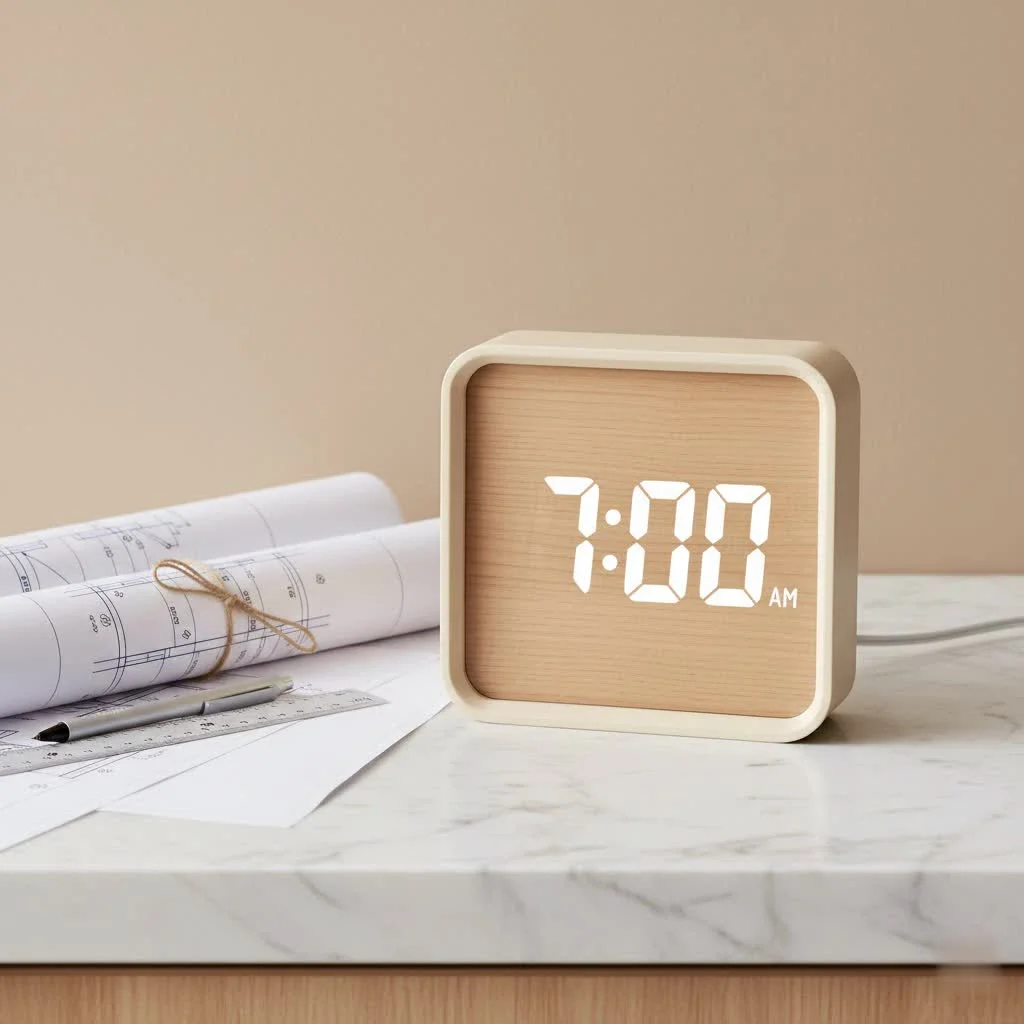
A sunlight alarm clock, also known as a dawn simulator, is a device that gradually increases light intensity in your bedroom, mimicking a natural sunrise to gently wake you up. These innovative gadgets transform mornings by harmonizing your body’s natural rhythms, leading to improved mood, increased energy, and a more positive start to each day. Unlike traditional alarms that use jarring sounds, sunlight alarm clocks leverage the science of your circadian rhythm to promote a serene awakening.
What Exactly is a Sunlight Alarm Clock?
At its core, a sunlight alarm clock is more than just a time-telling device; it’s a personal sunrise simulator. Instead of relying solely on sound, these clocks gradually increase the intensity of light in your bedroom, mimicking the natural progression of dawn. Often referred to as “dawn simulators,” they aim to gently coax your body awake, rather than startling it. This subtle shift from darkness to light cues your internal systems, preparing you for the day ahead in a far less abrupt manner than a sudden loud noise. Many models also incorporate soothing natural sounds, such as birdsong or ocean waves, to further enhance the peaceful waking experience, offering a stark contrast to the aggressive beeps and blares of conventional alarms.
The Science of a Gentle Awakening: How Sunlight Alarm Clocks Work
The effectiveness of a sunlight alarm clock is deeply rooted in human biology, specifically your circadian rhythm. This intricate 24-hour internal clock governs your sleep-wake cycle and influences numerous bodily functions. Light plays an incredibly powerful role in regulating this rhythm. When it’s dark, your body produces melatonin, the hormone that makes you feel sleepy. Conversely, exposure to light in the morning naturally signals your brain to reduce melatonin production and increases the release of cortisol, a hormone vital for alertness and energy [cite: 4 (from search 2)].
A sunlight alarm clock leverages this natural process. As the light gradually brightens, it penetrates your eyelids, even when closed, signaling to your brain through the optic nerves that morning is arriving. This gentle stimulation prompts your pineal and adrenal glands, along with the hypothalamus, to kick into gear, gradually shifting your hormone levels towards wakefulness. This gradual increase in cortisol has been termed the “cortisol awakening response” (CAR), and bright morning light is known to significantly increase this response, leading to a more natural and less stressful transition from sleep to wakefulness [cite: 1 (from search 1), 4 (from search 1)]. By working with your body’s natural clock, a sunlight alarm clock supports your physiology for a smoother, more revitalized start to the day.
Unlock a Brighter Morning: The Proven Benefits of Sunlight Alarm Clocks
The advantages of integrating a sunlight alarm clock into your daily routine extend far beyond simply waking up. These devices offer a range of benefits that can significantly improve your overall well-being.
Combatting Sleep Inertia
|
Our Picks for the Best Alarm Clock in 2026
As an Amazon Associate I earn from qualifying purchases.
|
||
| Num | Product | Action |
|---|---|---|
| 1 | Amazon Echo Spot (newest model), Great for nightstands, offices and kitchens, Smart alarm clock with Alexa+ Early Access, Glacier White |

|
| 2 | Philips SmartSleep Wake-up Light, Colored Sunrise and Sunset Simulation, 5 Natural Sounds, FM Radio & Reading Lamp, Tap Snooze, HF3520/60 |
|
| 3 | Wake Up Light Sunrise Alarm Clock for Kids, Heavy Sleepers, Bedroom, with Sunrise Simulation, Sleep Aid, Dual Alarms, FM Radio, Snooze, Nightlight, Daylight, 7 Colors, 7 Natural Sounds, Ideal for Gift |
|
| 4 | Amazon Basics Small Digital Oval Alarm Clock With LED Display, Nightlight & Battery Backup, Black, 4.5 x 3.5 x 2.4 Inches |
|
| 5 | Mesqool Digital Projector Alarm Clocks for Kids Bedroom,Plug-in Clock with 180° Projection on Ceiling Wall,Dual Alarms for Heavy Sleepers,Battery Backup,USB Charging Port,Easy-to-Set,Dimmer,Snooze |
|
| 6 | LỖI |
|
| 7 | Sunrise Alarm Clock White Noise Machine: Natural Wake Up Light - Dimmable Clock with Bluetooth Speaker for Bedroom - 25 Sleep Sounds for Baby Adults Kids Putty |
|
| 8 | Mesqool Projection Alarm Clock, Digital Clock with 180° Rotatable Projector, 5-Level Brightness Dimmer, Clear LED Display, USB Charger, Progressive Volume, 9mins Snooze,12/24H, for Bedroom |
|
| 9 | Digital Projection Alarm Clocks for Bedrooms - Large LED Display, 180° Rotatable Projector, 5-Level Dimmer,USB Charger,Battery Backup,Loud Dual Alarms for Kids Elderly,Heavy Sleepers,Snooze,12/24H,DST |
|
| 10 | Swissbrand Sunrise Alarm Clock with Multicolor LED Light, USB Charging & Indoor Temperature – Concrete-Print Digital Clock for Bedroom Nightstand |
|
One of the most noticeable benefits is their ability to reduce sleep inertia – that dreadful feeling of grogginess, disorientation, and confusion that often follows waking [cite: 1 (from search 1)]. This lingering feeling can make it incredibly difficult to get out of bed and often leads to hitting the snooze button repeatedly. Studies have shown that waking with dawn simulation can lead to greater alertness upon awakening, making it easier to rise and start your day without that heavy, foggy sensation [cite: 1 (from search 1), 4 (from search 1)].
Enhancing Mood and Energy
By regulating your circadian rhythm, a sunlight alarm clock can significantly improve your mood and overall mental well-being [cite: 3 (from search 1), 5 (from search 1)]. Exposure to artificial light that mimics natural sunlight, particularly during the darker winter months or for individuals with a “night owl” chronotype, can help align your body clock, ensuring your energy peaks in the morning and you feel ready for sleep in the evening [cite: 3 (from search 1), 1 (from search 3)]. Research also indicates that these clocks can increase alertness and improve cognitive performance, even several hours after you’ve officially woken up [cite: 4 (from search 1), 5 (from search 3)].
Supporting Seasonal Affective Disorder (SAD)
For those who experience Seasonal Affective Disorder (SAD) or “winter depression,” sunlight alarm clocks can be a valuable tool. Light therapy is a recognized treatment for SAD, and while dedicated SAD lamps often provide higher lux levels (up to 10,000 lux), the gentler light from a dawn simulator can still effectively lessen symptoms [cite: 1 (from search 1), 3 (from search 1), 5 (from search 3)]. By impacting brain chemicals that boost mood, these devices can help combat common SAD symptoms like daytime sleepiness and irritability [cite: 3 (from search 1)]. In fact, some studies have even suggested that dawn simulation can be surprisingly effective in reducing SAD symptoms [cite: 4 (from search 1), 5 (from search 3)].
A Healthier Routine, Less Phone Reliance
Beyond the direct physiological benefits, a sunlight alarm clock encourages healthier morning habits. By using a dedicated device instead of your phone’s alarm, you can consciously separate yourself from the immediate influx of notifications and digital distractions. This can reduce morning anxiety and allow for a slower, more mindful transition into your day, as some users have anecdotally reported [cite: 2 (from search 1)]. It’s a small yet significant step towards better sleep hygiene and a calmer start.
Choosing Your Perfect Sunlight Alarm Clock: Key Features to Consider
With a growing market of sunlight alarm clocks, finding the right one can feel daunting. Here are the key features to look for to ensure it meets your specific needs:
Light Intensity and Duration
Look for models with adjustable brightness settings (often measured in lux) and varying sunrise simulation durations. Many clocks offer a gradual light increase over 15 to 90 minutes [cite: 3 (from search 3), 4 (from search 2)]. The ability to customize this period allows you to find the ideal wake-up curve for your body. Some studies have shown that 250 lux over a 90-minute duration can be particularly effective in shifting circadian clocks [cite: 4 (from search 1), 5 (from search 3)].
Sound Options
While light is the primary wake-up mechanism, many sunlight alarm clocks include an array of soothing audio options to complement the light. Natural sounds like birdsong, gentle waves, chimes, or even white noise can provide a pleasant secondary cue, gradually increasing in volume to ensure you fully awaken [cite: 3 (from search 2), 4 (from search 2)]. Some advanced models may also feature FM or DAB radio, allowing you to wake up to your favorite station [cite: 3 (from search 3)].
Additional Smart Features
Modern sunlight alarm clocks often come packed with extra functionalities designed to enhance both your waking and winding-down routines.
- Sunset Simulation: This feature works in reverse, gradually dimming the light to mimic a sunset, helping your body prepare for sleep [cite: 2 (from search 3), 3 (from search 3)].
- Reading Light/Night Light: Many devices double as bedside lamps with adjustable brightness, making them versatile for evening use [cite: 1 (from search 3), 2 (from search 3)].
- Connectivity: Some advanced models offer Bluetooth speakers, USB charging ports, or even smart home integration for app control and personalized routines [cite: 3 (from search 3), 4 (from search 3)].
Design and Placement
Consider the size and aesthetics of the clock to ensure it fits seamlessly into your bedroom decor. More importantly, think about its placement. For optimal effect, position the clock where its light can reach you directly, even through closed eyelids. These clocks are particularly effective in darker rooms, such as those with blackout curtains, as the simulated sunrise becomes the primary and most influential wake-up signal [cite: 4 (from search 2)].
Expert Insights: Making the Most of Your Sunlight Alarm Clock
Integrating a sunlight alarm clock into your routine can be a major upgrade, but a few expert tips can optimize your experience. “The true power of a sunlight alarm clock lies in its ability to gently guide your body’s natural rhythms, offering a harmonious start that traditional alarms simply can’t match,” notes Dr. Elena Petrova, a renowned sleep specialist. To truly harness this power, consider the following:
- Optimal Placement: Ensure your clock is positioned on your bedside table or somewhere close enough for the light to effectively reach you. The goal is to maximize the light exposure, even if your eyes are closed.
- Experiment with Settings: Don’t be afraid to adjust the light intensity and duration of the sunrise simulation. What works best for one person might not be ideal for another. Start with a longer duration and a comfortable brightness, then tweak as needed to find your perfect wake-up.
- Combine with Good Sleep Hygiene: While a sunlight alarm clock is a powerful tool, it’s not a magic bullet. Pair it with healthy sleep habits, such as maintaining a consistent sleep schedule, ensuring a cool, dark, and quiet bedroom environment, and avoiding excessive screen time before bed.
- Utilize the Sunset Feature: If your model includes a sunset simulation, use it! The gradual dimming light can signal to your body that it’s time to wind down, promoting a smoother transition into sleep and reinforcing your circadian rhythm.
Frequently Asked Questions About Sunlight Alarm Clocks
Q: Do sunlight alarm clocks work for everyone?
A: While many individuals report significant benefits, the effectiveness can vary. Factors such as your individual chronotype (whether you’re a morning lark or a night owl), the stage of sleep you’re in when the light begins, and your personal light sensitivity can all play a role. Overall, they offer benefits to most users, though some might experience more profound effects than others [cite: 2 (from search 1)].
Q: Are sunlight alarm clocks good for Seasonal Affective Disorder (SAD)?
A: Yes, sunlight alarm clocks can be beneficial in alleviating symptoms of Seasonal Affective Disorder, particularly during the darker winter months [cite: 3 (from search 1)]. They provide a form of light therapy that can help regulate mood-boosting brain chemicals. However, if you have a clinical diagnosis of SAD, it’s always best to consult your doctor, as dedicated SAD lamps provide higher light intensity (lux) and might be prescribed for specific treatments [cite: 2 (from search 3)].
Q: How long does it take to see benefits from a sunrise alarm clock?
A: Many users report experiencing a noticeable difference within one to two weeks of consistent use. You may find yourself feeling less groggy and more alert upon waking [cite: 1 (from search 1), 2 (from search 1)]. Consistency is crucial to allowing your body to adapt to the new wake-up routine.
Q: Can I use a sunlight alarm clock with blackout curtains?
A: Absolutely! In fact, using a sunlight alarm clock with blackout curtains can maximize its effectiveness. In a completely dark room, the gradual light from the clock becomes the primary and most impactful signal to your brain that it’s time to wake up, simulating a natural sunrise that wouldn’t otherwise be present [cite: 4 (from search 2)].
Q: Is a sunlight alarm clock worth the investment?
A: If you consistently struggle with jarring traditional alarms, experience morning grogginess, or are looking for a natural way to improve your sleep-wake cycle and overall morning experience, many find the investment in a high-quality sunlight alarm clock to be incredibly worthwhile [cite: 2 (from search 1), 3 (from search 2)]. The enhanced quality of your mornings and potential improvements in mood and energy can far outweigh the cost.
Wake Up to a Brighter Tomorrow
The journey to a more restful night’s sleep and a more energized morning often begins with a single, gentle step: changing how you wake up. A sunlight alarm clock offers a scientifically backed, intuitive, and remarkably pleasant alternative to the abruptness of traditional alarms. By harmonizing with your body’s natural circadian rhythm, these devices not only banish sleep inertia and grogginess but also foster a brighter mood and support your well-being, especially during challenging darker seasons. If you’re ready to improve your mornings and embrace a more natural way to start your day, consider welcoming a sunlight alarm clock into your bedroom. It’s an investment in yourself, promising a serene and revitalizing start to every day.
Frequently Asked Questions
Do sunlight alarm clocks work for everyone to improve waking?
While many individuals report significant benefits, the effectiveness of sunlight alarm clocks can vary based on factors like your chronotype, sleep stage, and personal light sensitivity. Overall, most users experience benefits, though the profoundness of effects may differ among individuals [cite: 2 (from search 1)].
Are sunlight alarm clocks effective for Seasonal Affective Disorder (SAD)?
Yes, sunlight alarm clocks can be beneficial in alleviating symptoms of Seasonal Affective Disorder (SAD), especially during darker winter months [cite: 3 (from search 1)]. They provide a form of light therapy that helps regulate mood-boosting brain chemicals. For a clinical SAD diagnosis, consult your doctor, as dedicated SAD lamps offer higher light intensity (lux) for specific treatments [cite: 2 (from search 3)].
How long does it take to experience benefits from a sunrise alarm clock?
Many users report experiencing a noticeable difference within one to two weeks of consistent use. You may find yourself feeling less groggy and more alert upon waking [cite: 1 (from search 1), 2 (from search 1)]. Consistency is crucial for your body to adapt to the new wake-up routine and maximize benefits.
Can a sunlight alarm clock be used effectively with blackout curtains?
Absolutely, using a sunlight alarm clock with blackout curtains can maximize its effectiveness. In a completely dark room, the gradual light from the clock becomes the primary and most impactful signal to your brain that it's time to wake up, simulating a natural sunrise that wouldn't otherwise be present [cite: 4 (from search 2)].
Is investing in a sunlight alarm clock a worthwhile decision?
If you consistently struggle with jarring traditional alarms, experience morning grogginess, or seek a natural way to improve your sleep-wake cycle and overall morning experience, many find a high-quality sunlight alarm clock to be incredibly worthwhile [cite: 2 (from search 1), 3 (from search 2)]. The enhanced quality of your mornings and potential improvements in mood and energy can significantly outweigh the initial cost.
Get our weekly buyer guide
Practical specs, not advice. Unsubscribe anytime.
This personal sunrise simulator is exactly what I needed! I used to dread my alarm, but now the gentle light really does coax me awake. It’s amazing how much better I feel not being startled out of sleep. I’ve even noticed I’m less groggy throughout the day. Highly recommend for anyone looking for a more peaceful wake-up.
I got one of these because I heard it helps with circadian rhythm, and while the light feature is nice, the sound options are a bit limited. I wish there were more natural sounds to choose from. It’s better than a regular alarm, but I was hoping for a bit more customization on the audio side. Still, the gradual light is a definite plus.
I’ve been using a sunlight alarm clock for about a month now, and I definitely notice an improvement in my energy levels. The idea of harmonizing my body’s natural rhythms really appealed to me, and it seems to be working. My only minor complaint is that the brightest setting isn’t quite as bright as I’d hoped, but it still does the job.
I was so skeptical about a ‘dawn simulator’ but this has genuinely changed my mornings. Waking up to the gradual light instead of a blaring alarm has made such a difference in my mood. I used to hit snooze five times, but now I feel so much more refreshed and ready to go. It’s truly a game-changer for anyone who struggles with early mornings.