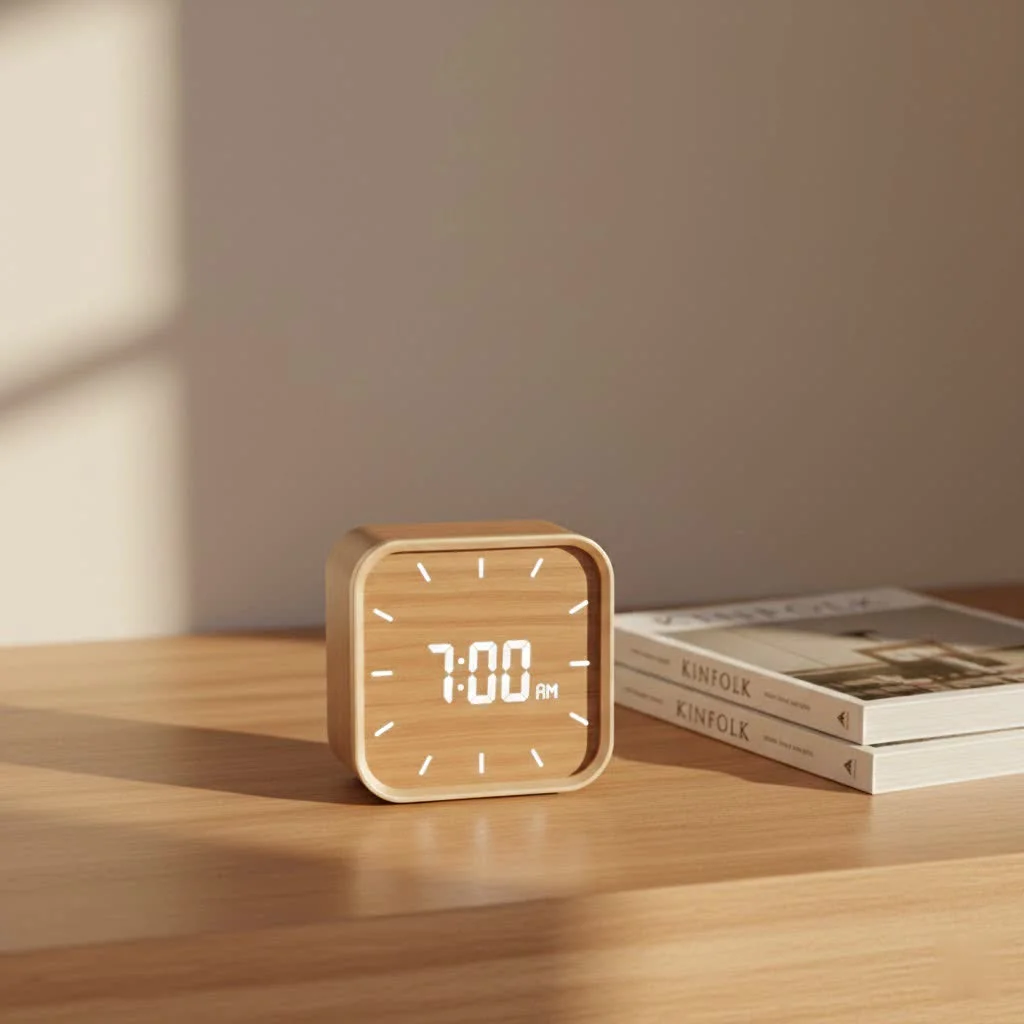
A smart alarm clock is an intelligent device designed to gently rouse you during a lighter phase of your sleep cycle, minimizing morning grogginess and improving your overall wake-up experience. Unlike traditional alarms that blare at a fixed time, smart alarm clocks use advanced technology, including sensors, smartphone apps, and integrated light and sound features, to monitor sleep patterns and promote a more refreshed start to the day.
What Exactly is a Smart Alarm Clock?
At its core, a smart alarm clock is far more than a simple time-telling device. Unlike its traditional counterpart, which blares at a fixed, predetermined time regardless of your sleep state, a smart alarm clock is an intelligent companion that works in harmony with your body’s natural rhythms. It leverages advanced technology, often combining sensors, smartphone apps, and integrated light and sound features, to monitor your sleep patterns and gently rouse you during a lighter phase of your sleep cycle. The goal? To minimize “sleep inertia” – that frustrating feeling of morning brain fog – and help you start your day feeling refreshed and energized.
Beyond the Beep: Essential Features of Modern Smart Alarm Clocks
The evolution of the smart alarm clock has brought forth a suite of features designed to enhance every aspect of your morning and even your winding-down routine. These aren’t just gimmicks; they are carefully engineered elements aimed at promoting healthier sleep habits and a more pleasant start to your day.
Gentle Wake-Up with Sunrise Simulation
Imagine waking up to the gradual glow of a sunrise, even on the darkest winter morning. Many smart alarm clocks incorporate “sunrise simulation” through a built-up light. This feature mimics the natural dawn, slowly increasing in brightness over a set period (typically 20-60 minutes) before your alarm time. This gentle light exposure helps to naturally suppress melatonin production and stimulate cortisol, signaling to your body that it’s time to wake up. It’s a powerful way to entrain your circadian rhythm, making for a smoother transition from sleep to wakefulness.
Personalized Soundscapes and Soothing Tones
Gone are the days of choosing between a harsh buzzer and an annoying radio jingle. Smart alarm clocks offer a rich array of sounds, from calming nature sounds like birdsong or ocean waves to soothing white noise, ambient melodies, and even guided meditations to help you drift off to sleep. Many devices also feature a “two-phase alarm” system. The first phase gently nudges you into consciousness with a soft sound, fading out after a few minutes, before a more insistent yet still pleasant tone kicks in to ensure you’re truly awake. This thoughtful approach prevents the abrupt shock of a traditional alarm, contributing to a more peaceful awakening.
Intelligent Sleep Tracking and Analysis
|
Our Picks for the Best Alarm Clock in 2026
As an Amazon Associate I earn from qualifying purchases.
|
||
| Num | Product | Action |
|---|---|---|
| 1 | LỖI |

|
| 2 | Mesqool Projection Alarm Clock, Digital Clock with 180° Rotatable Projector, 5-Level Brightness Dimmer, Clear LED Display, USB Charger, Progressive Volume, 9mins Snooze,12/24H, for Bedroom |
|
| 3 | Philips SmartSleep Wake-up Light, Colored Sunrise and Sunset Simulation, 5 Natural Sounds, FM Radio & Reading Lamp, Tap Snooze, HF3520/60 |
|
| 4 | Sunrise Alarm Clock White Noise Machine: Natural Wake Up Light - Dimmable Clock with Bluetooth Speaker for Bedroom - 25 Sleep Sounds for Baby Adults Kids Putty |
|
| 5 | Wake Up Light Sunrise Alarm Clock for Kids, Heavy Sleepers, Bedroom, with Sunrise Simulation, Sleep Aid, Dual Alarms, FM Radio, Snooze, Nightlight, Daylight, 7 Colors, 7 Natural Sounds, Ideal for Gift |
|
| 6 | Amazon Echo Spot (newest model), Great for nightstands, offices and kitchens, Smart alarm clock with Alexa+ Early Access, Glacier White |
|
| 7 | Mesqool Digital Projector Alarm Clocks for Kids Bedroom,Plug-in Clock with 180° Projection on Ceiling Wall,Dual Alarms for Heavy Sleepers,Battery Backup,USB Charging Port,Easy-to-Set,Dimmer,Snooze |
|
| 8 | Amazon Basics Small Digital Oval Alarm Clock With LED Display, Nightlight & Battery Backup, Black, 4.5 x 3.5 x 2.4 Inches |
|
| 9 | Swissbrand Sunrise Alarm Clock with Multicolor LED Light, USB Charging & Indoor Temperature – Concrete-Print Digital Clock for Bedroom Nightstand |
|
| 10 | Digital Projection Alarm Clocks for Bedrooms - Large LED Display, 180° Rotatable Projector, 5-Level Dimmer,USB Charger,Battery Backup,Loud Dual Alarms for Kids Elderly,Heavy Sleepers,Snooze,12/24H,DST |
|
One of the most distinguishing features of a smart alarm clock is its ability to monitor your sleep. Utilizing sensors such as accelerometers, gyroscopes, and even microphones (often found in accompanying smartphone apps or integrated devices), these clocks track your movement, sounds, and sometimes even heart rate and breathing throughout the night. By analyzing this data, they can identify your sleep stages – from light sleep (N1) to deeper sleep (N2), deep sleep (N3), and REM sleep. The magic happens when the alarm is set to go off within a “wake-up window” (e.g., 7:00 AM – 7:30 AM). Instead of a fixed time, the clock waits for you to be in a lighter sleep stage within that window, ensuring you wake up at the optimal moment, feeling less groggy and more alert. Many also provide detailed insights into your sleep patterns, helping you identify habits that could improve your rest.
Seamless Smart Home Integration
In our increasingly connected world, it’s no surprise that smart alarm clocks often act as central hubs for your smart home. Devices like the Amazon Echo Spot or Google Nest Hub integrate voice assistants like Alexa or Google Assistant, allowing you to control other smart devices with simple voice commands. Imagine your alarm going off, and with a quick voice prompt, your bedroom lights slowly brighten, your coffee maker starts brewing, or your thermostat adjusts to a comfortable morning temperature. This level of connectivity streamlines your morning routine, making it effortless and efficient.
Convenient Extras: USB Charging, Displays, and More
Beyond their core smart features, many alarm clocks come packed with practical additions. USB charging ports are a common and highly appreciated feature, allowing you to power up your smartphone or other devices right from your nightstand, reducing cable clutter. Some models boast clear, customizable displays that show not only the time but also weather updates, notifications, or even fun animations. For those who are notoriously heavy sleepers, innovations like the Sonic Alert Sonic Bomb even include a powerful bed shaker to ensure you get up, even if you sleep through the loudest sounds.
Why Make the Switch? The Tangible Benefits of a Smart Alarm Clock
Adopting a smart alarm clock isn’t just about buying a new gadget; it’s about investing in your well-being. The benefits extend far beyond a mere wake-up call, impacting your mood, energy levels, and overall health.
Reduced Sleep Inertia and Morning Brain Fog
One of the most immediate and appreciated benefits is the significant reduction in sleep inertia, commonly known as morning brain fog. By waking you during a lighter phase of your sleep cycle, smart alarms prevent that jarring interruption of deep sleep. This results in a smoother, more natural transition to wakefulness, leaving you feeling less disoriented and more ready to tackle the day. “A smart alarm clock isn’t just a gadget; it’s a sleep wellness tool that can significantly impact your daily energy and focus by respecting your natural sleep cycles,” notes Dr. Eleanor Vance, a renowned sleep physiologist.
Improved Circadian Rhythm and Natural Wakefulness
The gradual light and sound features of a smart alarm clock help to synchronize your internal body clock, or circadian rhythm, with the natural light-dark cycle. This consistent, gentle awakening reinforces your body’s natural wake-up cues, making it easier to fall asleep at night and wake up feeling naturally refreshed. Over time, you might even find yourself waking up just before your alarm, a sign of a well-tuned circadian rhythm.
Enhanced Sleep Hygiene by Reducing Phone Dependence
Using your smartphone as an alarm clock often leads to late-night scrolling, exposing you to blue light that can disrupt melatonin production and delay sleep. A dedicated smart alarm clock allows you to keep your phone out of the bedroom, or at least minimize its use before bed, promoting better sleep hygiene. This separation can drastically improve the quality of your sleep by reducing distractions and the temptation to engage with screens late at night.
Personalized Experience for All Sleepers
Whether you’re a light sleeper who benefits from gentle sounds and sunrise simulation or a heavy sleeper needing a more assertive wake-up (perhaps even a bed shaker!), there’s a smart alarm clock designed for your specific needs. The ability to customize alarm tones, volumes, light intensity, and even wake-up windows ensures a personalized experience that caters to individual sleep preferences. This level of personalization is simply not possible with a basic alarm.
Choosing Your Perfect Smart Alarm Clock: What to Consider
With a growing market of innovative smart alarm clock options, finding the right one can feel daunting. Here’s a checklist to guide your decision-making process:
- Features vs. Needs: Do you prioritize advanced sleep tracking, robust smart home integration, or simply a gentler wake-up light and sound machine? Identify the core functionalities that matter most to your daily routine and sleep goals.
- App Usability and Connectivity: Most smart alarms rely on a companion app for setup and customization. Check reviews for app intuitiveness, reliability, and whether it requires constant Wi-Fi or Bluetooth connectivity. Ensure it’s compatible with your smartphone’s operating system.
- Design and Aesthetics: Since it will likely sit on your nightstand, consider the design. Do you prefer a sleek, minimalist look, or a device with a larger display? Some models offer customizable clock faces and light themes.
- Budget: Smart alarm clocks range widely in price, from budget-friendly options focusing on core features to premium devices with comprehensive sleep analysis and extensive smart home capabilities. Determine what you’re willing to spend based on the features you truly need.
Maximizing Your Smart Alarm Clock Experience
Once you’ve chosen your smart alarm clock, a few simple steps can help you unlock its full potential:
- Optimal Placement: For accurate sleep tracking, place your device on your nightstand, ensuring it has an unobstructed path to monitor your movements and sounds. If using a phone app, follow its specific placement recommendations.
- Experiment with Wake-Up Windows: Start with a wider wake-up window (e.g., 30 minutes) and gradually narrow it down as you become more accustomed to the gentle awakening process.
- Explore Sounds and Lights: Don’t settle for the default settings. Experiment with different natural sounds, ambient music, and light intensities to find what genuinely helps you wake up feeling refreshed.
- Combine with Good Sleep Habits: A smart alarm clock is a powerful tool, but it’s not a magic bullet. Pair it with consistent bedtime and wake-up schedules, a comfortable sleep environment, and a relaxing pre-sleep routine for the best results.
Frequently Asked Questions
Are smart alarm clocks really worth the investment?
Absolutely. Many users find the investment worthwhile due to the significant improvement in their morning experience, reducing grogginess and promoting a more energized start to the day. The health benefits of waking up gently and aligning with your natural sleep cycles can have a profound impact on overall well-being and productivity.
How accurate is sleep tracking on these devices?
The accuracy of sleep tracking varies by device and its sensor technology. While consumer-grade smart alarm clocks may not offer clinical-grade precision, they provide valuable insights into your sleep patterns, helping you identify trends and make informed adjustments to your sleep habits. Advanced devices use sophisticated algorithms to detect sleep stages with increasing reliability.
Can a smart alarm clock help with heavy sleepers?
Yes, many smart alarm clocks are designed with heavy sleepers in mind. Features like gradually increasing volume, combined light and sound alarms, and even physical vibrations (like those from a bed shaker) can provide the extra nudge needed to wake up even the deepest sleepers more gently than a traditional blaring alarm.
What’s the ideal wake-up window for a smart alarm?
A wake-up window typically ranges from 10 to 45 minutes. Starting with a 20-30 minute window often works well, as it gives the smart alarm clock enough time to detect a lighter sleep phase without making your wake-up time too unpredictable. You can adjust it based on your personal preference and how consistently you feel refreshed.
Do smart alarm clocks replace traditional sleep tracking wearables?
While many smart alarm clocks offer sleep tracking, they usually focus on nocturnal movements and sounds. Dedicated wearables like smartwatches or fitness trackers often provide more comprehensive data, including heart rate variability, blood oxygen levels, and more detailed sleep stage analysis. A smart alarm clock can complement a wearable, offering a holistic view of your sleep.
Conclusion
The days of being rudely awakened by a blaring alarm are fading, replaced by a new era of mindful awakening. The smart alarm clock is more than just a device; it’s a shows how technology can genuinely improve our daily lives, starting from the very moment we open our eyes. By harmonizing with your body’s natural rhythms, offering personalized experiences, and integrating seamlessly into your smart home, these innovative clocks empower you to take control of your mornings. Invest in a smart alarm clock, and you’re not just buying a product; you’re choosing to wake up smarter, feel better, and ultimately, live a more vibrant, well-rested life. improve your mornings and discover the profound impact of a truly intelligent start to your day.
Frequently Asked Questions
Are smart alarm clocks really worth the investment?
Absolutely, many users find the investment worthwhile due to significant improvements in their morning experience, reducing grogginess and promoting a more energized start to the day. The health benefits of waking up gently and aligning with natural sleep cycles can profoundly impact overall well-being and productivity.
How accurate is sleep tracking on these devices?
The accuracy of sleep tracking varies by device and its sensor technology. While consumer-grade smart alarm clocks may not offer clinical-grade precision, they provide valuable insights into sleep patterns, helping users identify trends and make informed adjustments. Advanced devices use sophisticated algorithms to detect sleep stages with increasing reliability.
Can a smart alarm clock help with heavy sleepers?
Yes, many smart alarm clocks are designed with heavy sleepers in mind. Features like gradually increasing volume, combined light and sound alarms, and physical vibrations (such as from a bed shaker) can provide the extra nudge needed to wake up even the deepest sleepers more gently than a traditional blaring alarm.
What's the ideal wake-up window for a smart alarm?
A wake-up window typically ranges from 10 to 45 minutes. Starting with a 20-30 minute window often works well, as it gives the smart alarm clock enough time to detect a lighter sleep phase without making your wake-up time too unpredictable. You can adjust it based on personal preference and how consistently you feel refreshed.
Do smart alarm clocks replace traditional sleep tracking wearables?
While many smart alarm clocks offer sleep tracking, they usually focus on nocturnal movements and sounds. Dedicated wearables like smartwatches or fitness trackers often provide more comprehensive data, including heart rate variability and blood oxygen levels. A smart alarm clock can complement a wearable, offering a holistic view of your sleep.
Maximizing Your Smart Alarm Clock Experience
Unlock the full potential of your smart alarm clock with these simple steps for optimal placement, customization, and integration with good sleep habits.
For accurate sleep tracking, place your smart alarm clock on your nightstand, ensuring it has an unobstructed path to monitor your movements and sounds. If using a phone app, always follow its specific placement recommendations for best results.
Start with a wider wake-up window, such as 30 minutes, to allow the device to find your lightest sleep phase. Gradually narrow this window as you become more accustomed to the gentle awakening process and understand your sleep patterns better.
Do not settle for the default settings; actively experiment with different natural sounds, ambient music, and light intensities. Finding what genuinely helps you wake up feeling refreshed is key to a personalized and effective experience.
A smart alarm clock is a powerful tool, but it works best when paired with consistent bedtime and wake-up schedules. Ensure you maintain a comfortable sleep environment and a relaxing pre-sleep routine for the most effective results.
Get our weekly buyer guide
Practical specs, not advice. Unsubscribe anytime.
I got a smart alarm clock hoping it would solve my morning grogginess, but I haven’t noticed a huge improvement. The sensors are supposed to monitor sleep patterns, but I still feel pretty tired some mornings. Maybe I need to adjust the settings more, or perhaps it’s just not for everyone. It’s okay, but not a miracle worker for me.
I picked up one of the smart alarm clocks mentioned that integrates with a smartphone app. The sleep tracking is surprisingly accurate and it’s cool to see my patterns. My only minor complaint is that the app can be a little clunky to navigate sometimes, but once you set it up, it works great for waking me during a lighter sleep phase.
I was so skeptical about these ‘smart’ alarms, but after reading about how they use light and sound features to wake you up, I decided to try one. It’s made a huge difference! I used to hit snooze five times, but now I actually feel more refreshed when I get up. The gradual light really helps.
This device is a game-changer! I love that it doesn’t just blare at a fixed time like my old alarm. The gentle wake-up experience is exactly what I needed. I feel less stressed starting my day and it’s definitely improved my overall mood in the mornings. Highly recommend for anyone struggling with traditional alarms.