A simple alarm clock is a dedicated device designed to wake you up reliably without the digital distractions of a smartphone, offering a tangible step towards improved sleep hygiene and a more mindful morning routine. By removing your phone from the bedroom, you reduce exposure to blue light, which suppresses melatonin, and eliminate the temptation of endless scrolling, leading to faster sleep onset and a more regular sleep-wake cycle. This approach fosters better mental clarity and a more peaceful start to the day.
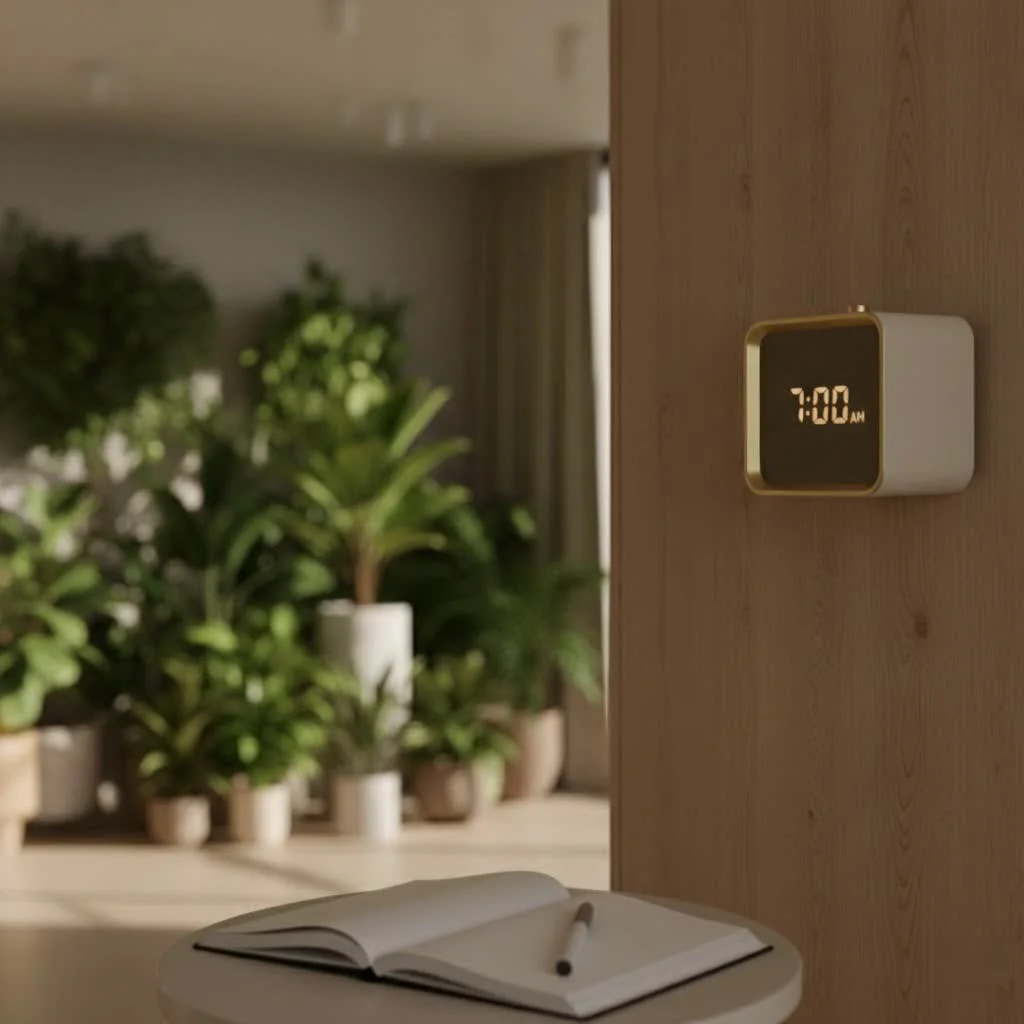
Why a Simple Alarm Clock is Your Sleep’s Best Friend (Beyond the Buzz)
The appeal of a simple alarm clock goes far beyond its basic function. It’s a strategic tool for digital wellness, offering a tangible step towards a healthier, more mindful routine.
Reclaiming Your Sleep Hygiene: Ditching the Digital Distractions
One of the most significant advantages of a dedicated alarm clock is its ability to free your bedroom from the pervasive influence of your smartphone. Devices like the Mudita Bell emphasize this, highlighting how traditional alarms preserve healthy sleep cycles.
- The Blue Light Battle: Smartphones emit blue light, which, especially in the evening, actively suppresses melatonin—the hormone crucial for initiating sleep. By removing your phone from the bedroom and relying on a simple alarm clock, you allow your brain to produce melatonin naturally, promoting faster sleep onset and a more regular sleep-wake cycle.
- Escaping the Scroll Trap: How many times have you picked up your phone to check the time and found yourself scrolling through social media or news feeds for an hour? A standalone simple alarm clock eliminates this temptation, creating boundaries between your sleep space and technology. This reduction in smartphone dependence is a key benefit for both mental and physical health.
The Reliability Factor: Guaranteed Wake-Up Calls
While your smartphone can serve as an alarm, it’s susceptible to battery drain, system updates, or app glitches. A simple alarm clock, particularly one with a battery backup, offers unwavering reliability. It’s a device solely dedicated to its purpose, ensuring you get that consistent wake-up call every morning without fail. This dependability fosters peace of mind, allowing you to rest easier knowing you won’t oversleep.
Gentle Awakenings: A Kinder Start to Your Day
Being jolted awake by a sudden, blaring alarm can trigger a stress response, contributing to morning grogginess and anxiety. Many simple alarm clock models are designed with features that promote a gentler awakening.
- Gradual Sound Increments: Alarms that slowly increase in volume or offer soothing, nature-inspired sounds (like chirping birds or ocean waves) minimize this stress, easing you into wakefulness rather than shocking you awake.
- Sunrise Simulation: Some advanced yet still simple alarm clocks incorporate wake-up lights that gradually brighten, mimicking the dawn. This helps align your internal clock with natural light cycles, leading to a more refreshed feeling upon waking. Studies indicate that waking to calmer stimuli causes less activation of the body’s stress systems, leading to a more relaxed start to the day.
Decoding the Simplicity: What to Look for in Your Ideal Alarm Clock
Choosing the perfect simple alarm clock isn’t about finding the most features, but the right features that align with your lifestyle and sleep needs.
Analog vs. Digital: Which Simple Style Suits You?
|
Our Picks for the Best Alarm Clock in 2026
As an Amazon Associate I earn from qualifying purchases.
|
||
| Num | Product | Action |
|---|---|---|
| 1 | Sunrise Alarm Clock White Noise Machine: Natural Wake Up Light - Dimmable Clock with Bluetooth Speaker for Bedroom - 25 Sleep Sounds for Baby Adults Kids Putty |

|
| 2 | Mesqool Digital Projector Alarm Clocks for Kids Bedroom,Plug-in Clock with 180° Projection on Ceiling Wall,Dual Alarms for Heavy Sleepers,Battery Backup,USB Charging Port,Easy-to-Set,Dimmer,Snooze |
|
| 3 | Wake Up Light Sunrise Alarm Clock for Kids, Heavy Sleepers, Bedroom, with Sunrise Simulation, Sleep Aid, Dual Alarms, FM Radio, Snooze, Nightlight, Daylight, 7 Colors, 7 Natural Sounds, Ideal for Gift |
|
| 4 | Digital Projection Alarm Clocks for Bedrooms - Large LED Display, 180° Rotatable Projector, 5-Level Dimmer,USB Charger,Battery Backup,Loud Dual Alarms for Kids Elderly,Heavy Sleepers,Snooze,12/24H,DST |
|
| 5 | Mesqool Projection Alarm Clock, Digital Clock with 180° Rotatable Projector, 5-Level Brightness Dimmer, Clear LED Display, USB Charger, Progressive Volume, 9mins Snooze,12/24H, for Bedroom |
|
| 6 | Amazon Echo Spot (newest model), Great for nightstands, offices and kitchens, Smart alarm clock with Alexa+ Early Access, Glacier White |
|
| 7 | Philips SmartSleep Wake-up Light, Colored Sunrise and Sunset Simulation, 5 Natural Sounds, FM Radio & Reading Lamp, Tap Snooze, HF3520/60 |
|
| 8 | Amazon Basics Small Digital Oval Alarm Clock With LED Display, Nightlight & Battery Backup, Black, 4.5 x 3.5 x 2.4 Inches |
|
| 9 | LỖI |
|
| 10 | Swissbrand Sunrise Alarm Clock with Multicolor LED Light, USB Charging & Indoor Temperature – Concrete-Print Digital Clock for Bedroom Nightstand |
|
The fundamental choice often boils down to analog versus digital, each offering distinct advantages for a simple alarm clock.
Analog Simplicity
Analog clocks, with their classic faces and moving hands, offer a timeless appeal.
- Classic Aesthetics: They can add a touch of vintage elegance to any room, fitting diverse decor styles.
- No Blue Light: By design, most analog clocks don’t emit blue light, making them excellent for promoting melatonin production and undisturbed sleep.
- Reliability & Durability: Many traditional analog clocks use mechanical systems, offering impressive longevity and often not requiring batteries (though many modern analog versions do).
- Learning Time: For children, an analog clock can be a valuable tool for learning to tell time in a visual way.
Digital Convenience
Digital clocks display time numerically, offering clear, precise readings.
- Easy to Read: Digital displays show the exact time at a glance, making them particularly user-friendly for seniors or those who prefer numerical clarity.
- Precision: Digital clocks typically use quartz crystal technology, ensuring high accuracy down to a few seconds per month.
- Basic Features: Even a simple digital alarm clock can include helpful features like a snooze button, date display, or a gentle backlight, without being overly complex.
- Compact Design: Often sleek and modern, digital simple alarm clocks can fit easily on any nightstand.
Essential Features of a Simple Alarm Clock
Regardless of whether you lean towards analog or digital, certain features enhance the “simple” experience.
- Clarity of Display & Dimmable Brightness: A display that’s easy to read during the day but can be dimmed significantly at night is crucial to avoid sleep disruption. The Sharp AccuSet Jumbo, for instance, offers adjustable brightness levels that are effective without being distracting.
- Adjustable Alarm Volume & Sound Options: Your ideal alarm should offer adjustable volume. Some prefer a gentle, gradually increasing sound, while heavy sleepers might need something louder. Look for a simple alarm clock that caters to your specific needs.
- Power Source & Backup: Consider if you need a plug-in model with a battery backup for power outages, or a fully battery-operated one for portability and travel.
- Ease of Use: An intuitive interface with straightforward buttons or dials for setting the time and alarm is paramount. You shouldn’t need a manual to operate your simple alarm clock.
Understanding Your Sleeper Type
Your sleep habits play a big role in selecting the right simple alarm clock.
- Heavy Sleepers: If you’re someone who could sleep through anything, you’ll need an alarm that packs a punch. Look for loud alarms, possibly with multiple tones or even bed shakers.
- Light Sleepers: For those who wake easily, a simple alarm clock with gentle, natural sounds or a subtle light-based alarm can provide a serene awakening without a shock.
- The Snoozer: If you’re prone to hitting that snooze button repeatedly, consider a simple alarm clock with a “no-snooze” option or one that requires a light activity to turn off, helping you break the cycle.
Simple Solutions for Common Morning Challenges
A simple alarm clock can be a powerful antidote to many modern morning woes.
How can a simple alarm clock improve my morning routine?
A simple alarm clock establishes a firm boundary between your waking and sleeping life, fostering a consistent routine. By waking to a dedicated device, you eliminate the immediate temptation to check emails or social media, allowing you to engage in mindful morning activities like exercise, meditation, or simply enjoying a quiet breakfast. This structured start reduces procrastination and sets a positive tone for the entire day, enhancing productivity and time management.
Are simple alarm clocks better for mental health?
Absolutely. By encouraging a digital detox, a simple alarm clock can significantly reduce sleep anxiety and stress. You’re less likely to engage in “clock-watching” when your phone isn’t tempting you with endless distractions. The deliberate act of placing your phone out of reach and relying on a single-purpose device helps cultivate a calmer mindset, leading to more restorative sleep and, consequently, better mental clarity and mood upon waking.
What about power outages or travel?
This is where the reliability of certain simple alarm clock models truly shines. Many plug-in clocks come with battery backup features, ensuring that even if the power goes out, your alarm will still sound. For frequent travelers, compact, battery-operated simple alarm clocks are ideal. They offer the same dependable wake-up without the bulk or need for constant power, making them a reliable companion on the go.
Expert Insights on Embracing Simplicity
“In an age of endless notifications and digital overload, returning to the fundamentals of a simple alarm clock isn’t a step backward, it’s a profound leap forward for our well-being,” says Dr. Anya Sharma, a renowned sleep specialist and advocate for digital minimalism. “By dedicating a device to the singular task of waking us, we empower ourselves to create healthier boundaries, reduce cognitive load, and genuinely disconnect, paving the way for deeply restorative sleep and more present, productive days.”
Embrace Simplicity, Reclaim Your Mornings
The modern world bombards us with complexity, but sometimes, the most effective solutions are the simplest. A simple alarm clock is more than just a time-telling device; it’s an investment in your sleep hygiene, mental health, and overall well-being. By choosing to disconnect from digital distractions, embracing reliable wake-up calls, and opting for gentler awakenings, you can improve your mornings and lay the foundation for a more productive and peaceful life. So, take that empowering step: simplify your bedside, quiet the digital noise, and let a simple alarm clock guide you to brighter, more refreshed mornings. Your best self is waiting to wake up.
Frequently Asked Questions
How does a simple alarm clock improve sleep quality?
A simple alarm clock improves sleep quality by encouraging a digital detox, which reduces exposure to blue light from smartphones that suppresses melatonin. This allows your brain to naturally produce melatonin, promoting faster sleep onset and a more consistent sleep-wake cycle, leading to more restorative sleep.
What are the key benefits of using a dedicated alarm clock?
The key benefits of using a dedicated alarm clock include enhanced reliability, as it's not susceptible to smartphone battery drain or glitches, and improved sleep hygiene by removing digital distractions. This fosters a calmer bedroom environment and a more consistent wake-up experience, reducing morning stress.
Should I choose an analog or digital simple alarm clock?
The choice between an analog and digital simple alarm clock depends on personal preference. Analog clocks offer classic aesthetics and typically no blue light, while digital clocks provide easy-to-read numerical displays and high precision, often within a few seconds per month. Both styles can include essential features like snooze buttons and dimmable brightness.
What features are essential for a good simple alarm clock?
Essential features for a good simple alarm clock include a clear, dimmable display to avoid sleep disruption, adjustable alarm volume and sound options to suit individual needs, and a reliable power source, ideally with a battery backup for outages. An intuitive interface with straightforward controls is also paramount for ease of use.
Can a simple alarm clock help reduce morning anxiety?
Yes, a simple alarm clock can significantly reduce morning anxiety by promoting a digital detox and preventing the immediate engagement with stressful notifications or news feeds. Waking up to a dedicated device helps cultivate a calmer mindset, leading to a more relaxed start to the day and improved mental clarity.
How do simple alarm clocks handle power outages or travel?
Many simple alarm clocks are designed with reliability in mind for power outages and travel. Plug-in models often include battery backup features to ensure the alarm still sounds during power interruptions. For travelers, compact, battery-operated simple alarm clocks provide dependable wake-up calls without needing constant power, making them ideal for portability.
Get our weekly buyer guide
Practical specs, not advice. Unsubscribe anytime.
I was so tired of bringing my phone into the bedroom and then getting sucked into social media right before bed. This post really hit home about the blue light and melatonin suppression. Since getting a simple alarm clock, I’ve actually been falling asleep faster and feel much more rested in the mornings. It’s amazing how much difference one small change can make.
This article convinced me to finally get a dedicated alarm clock. I used to scroll endlessly on my phone every night, and waking up felt like a chore. Now, my phone stays charging in the living room, and I actually feel more present in the mornings. It’s truly helped me establish a more mindful morning routine, just like it said it would.
I picked up a basic digital alarm clock after reading about how it helps with digital wellness. It’s definitely helped me keep my phone out of the bedroom, which was a huge problem for my sleep. My only minor complaint is that the display is a little too bright even on the lowest setting, but I just turn it away from me. Still, a solid improvement to my routine.
I tried a simple alarm clock hoping it would solve my late-night scrolling habit. While it did help me keep my phone out of the room, the alarm sound on the model I got was really jarring. It definitely wakes me up, but not in the peaceful way I was hoping for. I might need to look for one with a gentler wake-up sound.