A sunrise simulation alarm clock is a device that gradually increases light intensity in your room over a set period, typically 20 to 60 minutes, before your desired wake-up time. This gentle light mimics a natural dawn, signaling your body to gradually reduce melatonin production and increase cortisol, leading to a more natural and less jarring awakening compared to traditional alarms. These innovative clocks are transforming sleep hygiene by harmonizing with your body’s circadian rhythm, offering a gentle alternative to abrupt awakenings.
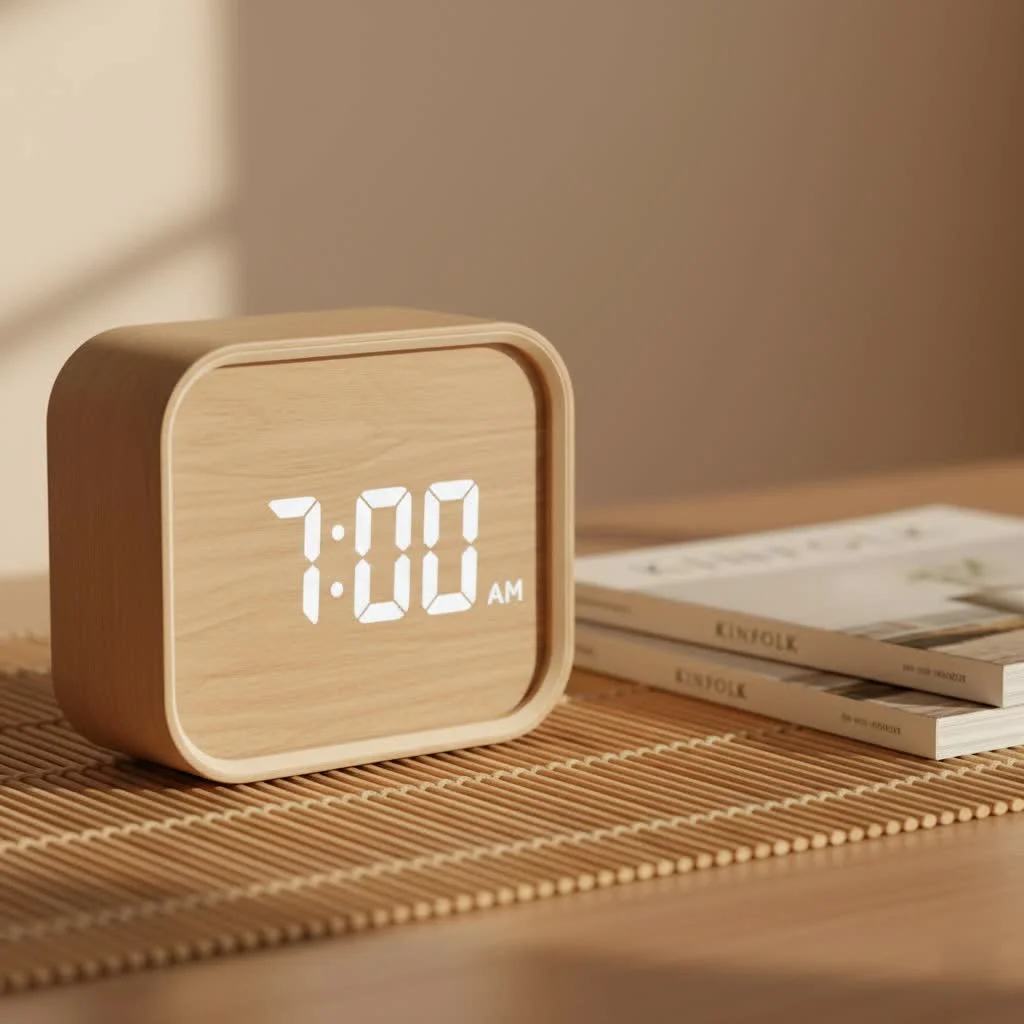 alarm clock gently illuminates a bedroom” style=”margin: 20px auto;width: 800px;max-width: 100%;height: auto” />
How Does a Sunrise Simulation Alarm Clock Work Its Magic?
At its core, a sunrise simulation alarm clock is more than just a time-telling device; it’s a personal dawn simulator, expertly crafted to mimic nature’s most perfect wake-up call.
Mimicking Nature’s Design
Imagine waking up in a tent, deep in nature. You don’t hear a harsh sound, but rather feel a subtle shift as dawn slowly breaks, gently filtering through the fabric. A sunrise simulation alarm clock recreates this serene experience right in your bedroom. Instead of a sudden jolt, it gradually increases the light intensity over a predefined period – typically 20 to 60 minutes – before your set wake-up time. This slow progression from soft, warm hues to brighter, energizing light naturally signals your body that it’s time to rise.
The Science Behind Your Circadian Rhythm
The effectiveness of a sunrise simulation alarm clock isn’t just anecdotal; it’s rooted in robust science, specifically our circadian rhythm. This is your body’s internal 24-hour clock, which regulates crucial functions like your sleep-wake cycle. Light plays an incredibly powerful role in this. When it’s dark, your body produces melatonin, the hormone that makes you feel sleepy. Conversely, exposure to light naturally suppresses melatonin production and triggers the release of cortisol, a hormone that helps you feel awake and alert.
As the light from your sunrise simulation alarm clock gradually brightens, your retina senses this change, sending a message to your brain that day is beginning. This gentle nudge helps your pineal and adrenal glands, along with the hypothalamus, kick into gear, smoothly transitioning your body from sleep to wakefulness. “A gentle wake-up routine with a sunrise simulation alarm clock can significantly improve morning mood and reduce sleep inertia,” explains Dr. Alistair Finch, a renowned sleep expert.
The Gradual Awakening Process
Unlike traditional alarms that demand an instant shift from deep sleep to full alertness, a sunrise simulation alarm clock works with your body’s natural processes. It helps your brain understand it’s morning while you’re still in lighter sleep stages, making the actual act of waking far less jarring. Many models enhance this experience by beginning with soft reds and oranges, mimicking the earliest moments of dawn, before transitioning to brighter whites and yellows as your wake-up time approaches.
Why You Need a Sunrise Simulation Alarm Clock: The Transformative Benefits
Switching to a sunrise simulation alarm clock can genuinely improve your daily routine, offering a many benefits that extend far beyond simply waking up.
Say Goodbye to Jarring Alarms: A Gentle Awakening
|
Our Picks for the Best Alarm Clock in 2026
As an Amazon Associate I earn from qualifying purchases.
|
||
| Num | Product | Action |
|---|---|---|
| 1 | Wake Up Light Sunrise Alarm Clock for Kids, Heavy Sleepers, Bedroom, with Sunrise Simulation, Sleep Aid, Dual Alarms, FM Radio, Snooze, Nightlight, Daylight, 7 Colors, 7 Natural Sounds, Ideal for Gift |

|
| 2 | Philips SmartSleep Wake-up Light, Colored Sunrise and Sunset Simulation, 5 Natural Sounds, FM Radio & Reading Lamp, Tap Snooze, HF3520/60 |
|
| 3 | Mesqool Digital Projector Alarm Clocks for Kids Bedroom,Plug-in Clock with 180° Projection on Ceiling Wall,Dual Alarms for Heavy Sleepers,Battery Backup,USB Charging Port,Easy-to-Set,Dimmer,Snooze |
|
| 4 | Digital Projection Alarm Clocks for Bedrooms - Large LED Display, 180° Rotatable Projector, 5-Level Dimmer,USB Charger,Battery Backup,Loud Dual Alarms for Kids Elderly,Heavy Sleepers,Snooze,12/24H,DST |
|
| 5 | Amazon Echo Spot (newest model), Great for nightstands, offices and kitchens, Smart alarm clock with Alexa+ Early Access, Glacier White |
|
| 6 | LỖI |
|
| 7 | Sunrise Alarm Clock White Noise Machine: Natural Wake Up Light - Dimmable Clock with Bluetooth Speaker for Bedroom - 25 Sleep Sounds for Baby Adults Kids Putty |
|
| 8 | Swissbrand Sunrise Alarm Clock with Multicolor LED Light, USB Charging & Indoor Temperature – Concrete-Print Digital Clock for Bedroom Nightstand |
|
| 9 | Amazon Basics Small Digital Oval Alarm Clock With LED Display, Nightlight & Battery Backup, Black, 4.5 x 3.5 x 2.4 Inches |
|
| 10 | Mesqool Projection Alarm Clock, Digital Clock with 180° Rotatable Projector, 5-Level Brightness Dimmer, Clear LED Display, USB Charger, Progressive Volume, 9mins Snooze,12/24H, for Bedroom |
|
The most immediate and noticeable benefit is the sheer relief of ditching those harsh, intrusive alarm sounds. Instead of being startled, you’ll find yourself waking up more peacefully, often before the optional audible alarm even sounds. This gentler transition can significantly improve your morning disposition, especially on dark winter mornings when natural light is scarce.
Boost Your Mood and Energy: Combating Sleep Inertia
That groggy, confused feeling often experienced right after waking, known as “sleep inertia,” can sabotage your morning productivity and mood. A sunrise simulation alarm clock actively combats this by raising your cortisol levels gradually while you’re still in sleep, mirroring how your body would naturally prepare for waking outdoors. Studies show that this process can significantly decrease sleep inertia, leading to improved alertness, better cognitive function, and enhanced physical performance throughout the day.
Harmonize Your Body Clock: Regulating Your Circadian Rhythm
Consistent light exposure in the morning is vital for maintaining a healthy circadian rhythm. By providing a reliable “dawn” signal every day, your sunrise simulation alarm clock helps regulate your internal body clock, leading to more consistent sleep patterns and an overall improvement in sleep quality. This alignment means you’ll likely feel sleepier at night and more refreshed in the morning.
A Ray of Hope for Dark Mornings: Battling Seasonal Affective Disorder
For many, the darker months bring a noticeable dip in mood and energy, symptoms often associated with Seasonal Affective Disorder (SAD). Light therapy is a recognized treatment for SAD, and a sunrise simulation alarm clock can be a powerful tool in your arsenal. It provides that much-needed morning light, influencing brain chemicals to boost mood and combat common SAD symptoms like daytime sleepiness and irritability.
Supporting Modern Lifestyles: A Boon for Shift Workers and Travelers
If your work schedule is irregular, or you frequently travel across time zones, maintaining a consistent sleep pattern can be incredibly challenging. A sunrise simulation alarm clock can be particularly beneficial for shift workers by creating a simulated morning, regardless of the actual time of day. This helps your body adjust more effectively to irregular hours, making it easier to wake up after sleeping during the day and better manage non-traditional schedules.
Choosing Your Perfect Dawn: Key Features to Look for in a Sunrise Simulation Alarm Clock
With a growing market, selecting the right sunrise simulation alarm clock can feel overwhelming. Here’s what you should prioritize:
Light Quality and Customization
- Adjustable Brightness Levels: Look for models offering a wide range of brightness settings (e.g., 10-20 levels). This allows you to customize the intensity for your wake-up, or even use it as a reading light or subtle night light. Aim for models that can reach at least 200 lux at eye level for effective simulation.
- Gradual Sunrise Duration: The simulation period typically ranges from 15 to 90 minutes. Experiment to find what feels most natural for you. Longer durations generally offer a smoother transition.
- Color Temperature Shifts: High-quality clocks will mimic actual sunrise by transitioning from warm, deep oranges/reds to brighter whites/yellows. Some models offer color temperatures between 5,000K–6,500K for a natural daylight feel.
Soundscapes and Audio Options
Many sunrise simulation alarm clocks include optional audio alarms that can complement the light.
- Nature Sounds: Gentle birdsong, ocean waves, forest sounds, or chimes can provide an extra layer of tranquility to your awakening. Ensure the sound quality is pleasant and not tinny.
- FM Radio: Some clocks integrate an FM radio, allowing you to wake up to your favorite station.
- Volume Control: Independent volume control for alarms is essential to personalize your wake-up experience without disturbing others.
Sunset Simulation and Sleep Aids
Beyond waking you up, many advanced sunrise simulation alarm clocks offer features to help you wind down.
- Sunset Simulation: This feature gradually dims the light and, often, plays soothing sounds over a set period (e.g., 10-60 minutes) to help you relax and prepare for sleep.
- White Noise/Meditation: Some models include white noise functions or even guided meditation programs to enhance your bedtime routine and promote deeper sleep.
Smart Features and Connectivity
For the tech-savvy, integration with smart home ecosystems can be a plus.
- App Control: Manage settings, alarms, and light preferences directly from your smartphone via Bluetooth or Wi-Fi.
- Voice Assistant Compatibility: Control your alarm clock with voice commands through devices like Alexa or Google Assistant.
Design and Usability
- Aesthetics: Choose a design that complements your bedroom decor. Many modern sunrise simulation alarm clocks are compact and sleek.
- User Interface: Look for intuitive buttons or touch controls, and a clear, dimmable LED display that won’t disrupt your sleep at night.
- Battery Backup: A crucial feature to ensure your alarm functions even during a power outage.
Setting Up for Success: Tips for Optimizing Your Sunrise Alarm Clock Experience
Once you’ve chosen your ideal sunrise simulation alarm clock, a few simple tips will help you maximize its benefits.
Placement Matters
For optimal effect, place your sunrise simulation alarm clock where its light can reach you effectively. Ideally, it should be on your bedside table, relatively close to your head. These clocks work best in a dark room, so consider blackout curtains if your room receives a lot of external light, ensuring the clock’s light is the primary wake-up signal.
Give it Time
Transitioning from a traditional alarm to a light-based one might take a little adjustment. Give yourself at least 2-4 weeks to fully adapt to the new wake-up pattern. Your body’s circadian rhythm needs time to recalibrate, but the payoff of more energized mornings is well worth the patience.
Conclusion: Embrace Brighter Mornings with a Sunrise Simulation Alarm Clock
The journey to better sleep and more energized mornings doesn’t have to be complicated. A sunrise simulation alarm clock offers a scientifically-backed, gentle, and incredibly effective alternative to the jarring alarms of the past. By harmonizing with your body’s natural rhythms, it helps you wake up feeling refreshed, improve your mood, and boost your overall well-being. It’s an investment in your health and happiness that pays dividends every single day. So, why not shed the abrupt awakenings and embrace the dawn? With the right sunrise simulation alarm clock, you’re not just setting an alarm; you’re setting the stage for a brighter, more productive life.
Frequently Asked Questions
What is a sunrise simulation alarm clock?
A sunrise simulation alarm clock, also known as a dawn simulator or wake-up light, is an alarm clock that gradually increases light intensity in your room over a set period, mimicking a natural sunrise. This gentle light signals your body to wake up more naturally, rather than being startled by a sudden sound.
How long should the sunrise simulation last?
Most studies and user preferences suggest a simulation duration between 20 to 60 minutes. Some advanced models offer options up to 90 minutes. You can experiment to find the period that feels most comfortable and effective for your personal wake-up style.
Can a sunrise alarm clock help with SAD?
Yes, sunrise simulation alarm clocks can be particularly beneficial for individuals suffering from Seasonal Affective Disorder (SAD). The gradual light exposure in the morning helps regulate mood-influencing chemicals in the brain, effectively combating symptoms like low energy and irritability, especially during darker winter months.
Do I still need an audible alarm with a sunrise alarm clock?
While many people find they wake up naturally with just the light, most sunrise simulation alarm clocks include an optional audible alarm as a backup. This can be particularly useful for heavy sleepers or those who are new to light-based waking, ensuring you don’t oversleep.
Are sunrise alarm clocks suitable for heavy sleepers?
While the gradual light helps many heavy sleepers, some may still benefit from the addition of a gentle audible alarm as a backup. The idea is to allow the light to bring you into a lighter sleep stage, making the eventual sound alarm less jarring if needed.
What’s the ideal brightness for a sunrise alarm clock?
For effective sunrise simulation, studies suggest that the light should ideally peak at around 250-300 lux at eye level. Many clocks allow you to customize the final brightness, so you can adjust it to a level that feels bright enough to awaken you comfortably without being harsh.
Can a sunrise alarm clock help me fall asleep?
Absolutely! Many advanced sunrise simulation alarm clocks feature a “sunset simulation” mode. This function gradually dims the light, often accompanied by soothing sounds, over a set period to help you wind down, relax, and ease into a more restful sleep.
Optimize Your Sunrise Alarm Clock Experience
Maximize the benefits of your sunrise simulation alarm clock with these simple setup and adjustment tips for a more energized morning.
Place your sunrise simulation alarm clock on your bedside table, relatively close to your head, so its light can reach you effectively. For best results, ensure your room is dark, using blackout curtains if necessary, to make the clock's light the primary wake-up signal.
Transitioning from a traditional alarm to a light-based one may require adjustment. Give yourself at least 2-4 weeks to fully adapt to the new wake-up pattern. Your body's circadian rhythm needs time to recalibrate, but the payoff of more energized mornings is well worth the patience.
Experiment with adjustable brightness levels and gradual sunrise durations, typically ranging from 15 to 90 minutes, to find what feels most natural. Explore optional nature sounds or FM radio to complement the light, ensuring independent volume control for a personalized wake-up experience.
Get our weekly buyer guide
Practical specs, not advice. Unsubscribe anytime.
I got one of these hoping it would totally transform my sleep hygiene, but I’m only mildly impressed. The gradual light is nice, but I wish the maximum brightness was a bit stronger. Sometimes on really dark mornings, I don’t feel like it’s quite enough to fully wake me up without the sound. It’s good, just not perfect for me.
This type of alarm clock is seriously amazing. I used to hate my mornings, but the gentle light mimicking a natural dawn has made such a difference. I set mine for a 45-minute simulation, and by the time my actual alarm goes off, I’m already mostly awake and feeling much more alert. Highly recommend for anyone who struggles with abrupt awakenings!
I was so skeptical about these, but after reading about how they work with your body’s circadian rhythm, I decided to try one. It’s been a game-changer! Waking up to the gradual light increase, usually over 30 minutes, feels so much more natural than my old blaring alarm. I actually feel less groggy in the mornings now.
I’ve been using a sunrise simulation alarm clock for about a month now, and it’s definitely an improvement. The idea of reducing melatonin production naturally really appealed to me. I still use a backup sound alarm just in case, but the light alone usually gets me up feeling pretty refreshed. It’s a solid investment for better mornings.