Do you ever feel like you’re battling your alarm clock every morning? That sudden, jarring noise that yanks you from a peaceful slumber can set a negative tone for your entire day, leaving you feeling groggy, frustrated, and ready to hit the snooze button repeatedly. But what if there was a gentler, more natural way to begin your day, one that harmonized with your body’s intrinsic rhythms? Enter the Sunrise Alarm Clock, a revolutionary device designed to change how you wake up and, by extension, how you live your life.
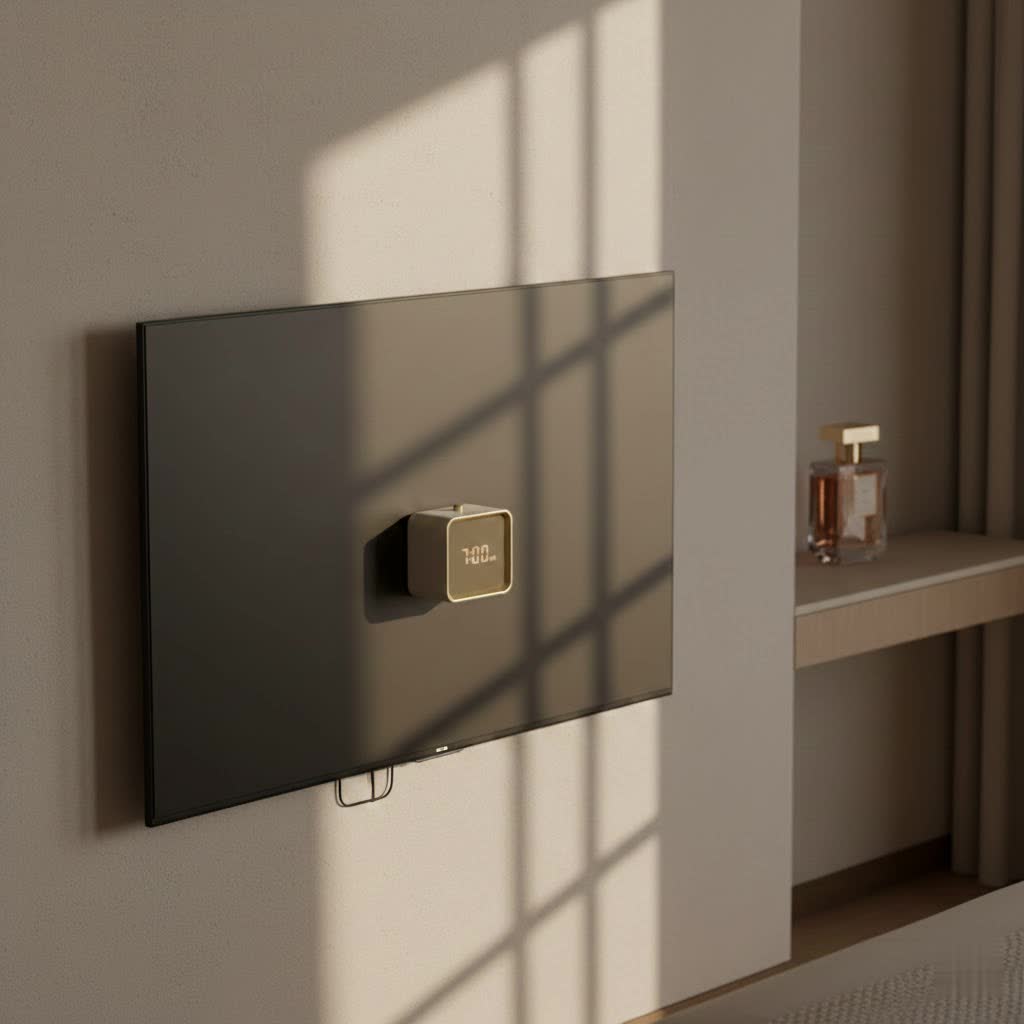
Unlike traditional alarms that rely on harsh sounds, a sunrise alarm clock mimics the natural dawn by slowly increasing light in your room. This innovative approach helps regulate your body’s sleep-wake cycle, easing you into wakefulness and leaving you feeling more refreshed and energized. Here at Rzygw.com, we believe that understanding the science behind these devices is key to unlocking their full potential for a better morning and a more productive day.
What is a Sunrise Alarm Clock and How Does it Work?
At its core, a sunrise alarm clock, often called a dawn simulator, is a device that gradually brightens your bedroom with light, simulating the rising sun. Typically, 20 to 90 minutes before your set wake-up time, the clock begins to emit a dim, warm glow that slowly intensifies until it reaches its peak brightness when your alarm is scheduled to sound.
The magic of a sunrise alarm clock lies in its ability to work with your body’s natural biological clock, known as the circadian rhythm. This 24-hour cycle regulates various bodily processes, including your sleep-wake cycle. When it’s dark, your body naturally produces melatonin, a hormone that signals it’s time to sleep. As morning approaches and light hits your eyes, your brain receives this signal through the optic nerves to the hypothalamus. This exposure to light then triggers a decrease in melatonin production and an increase in cortisol, the “wakefulness hormone,” helping you feel alert and ready to start the day. A sunrise alarm clock essentially provides this crucial light cue, even if it’s still dark outside your window.
Many sunrise alarm clocks also come with additional features to enhance your waking experience. These might include a selection of soothing nature sounds like birds chirping or ocean waves, soft music, or even an FM radio. These auditory cues can provide an extra gentle nudge, especially for those who find light alone isn’t quite enough to fully rouse them.
The Transformative Benefits of Waking with Light
Shifting from a jarring auditory alarm to a gentle light-based awakening offers a multitude of benefits that can significantly impact your physical and mental well-being.
Gentler, More Natural Awakening
|
Our Picks for the Best Alarm Clock in 2026
As an Amazon Associate I earn from qualifying purchases.
|
||
| Num | Product | Action |
|---|---|---|
| 1 | Amazon Echo Spot (newest model), Great for nightstands, offices and kitchens, Smart alarm clock with Alexa+ Early Access, Glacier White |

|
| 2 | Digital Projection Alarm Clocks for Bedrooms - Large LED Display, 180° Rotatable Projector, 5-Level Dimmer,USB Charger,Battery Backup,Loud Dual Alarms for Kids Elderly,Heavy Sleepers,Snooze,12/24H,DST |
|
| 3 | Sunrise Alarm Clock White Noise Machine: Natural Wake Up Light - Dimmable Clock with Bluetooth Speaker for Bedroom - 25 Sleep Sounds for Baby Adults Kids Putty |
|
| 4 | LỖI |
|
| 5 | Wake Up Light Sunrise Alarm Clock for Kids, Heavy Sleepers, Bedroom, with Sunrise Simulation, Sleep Aid, Dual Alarms, FM Radio, Snooze, Nightlight, Daylight, 7 Colors, 7 Natural Sounds, Ideal for Gift |
|
| 6 | Philips SmartSleep Wake-up Light, Colored Sunrise and Sunset Simulation, 5 Natural Sounds, FM Radio & Reading Lamp, Tap Snooze, HF3520/60 |
|
| 7 | Swissbrand Sunrise Alarm Clock with Multicolor LED Light, USB Charging & Indoor Temperature – Concrete-Print Digital Clock for Bedroom Nightstand |
|
| 8 | Amazon Basics Small Digital Oval Alarm Clock With LED Display, Nightlight & Battery Backup, Black, 4.5 x 3.5 x 2.4 Inches |
|
| 9 | Mesqool Projection Alarm Clock, Digital Clock with 180° Rotatable Projector, 5-Level Brightness Dimmer, Clear LED Display, USB Charger, Progressive Volume, 9mins Snooze,12/24H, for Bedroom |
|
| 10 | Mesqool Digital Projector Alarm Clocks for Kids Bedroom,Plug-in Clock with 180° Projection on Ceiling Wall,Dual Alarms for Heavy Sleepers,Battery Backup,USB Charging Port,Easy-to-Set,Dimmer,Snooze |
|
Imagine waking up not to an abrupt, startling sound, but to the subtle, comforting glow of a new day. A sunrise alarm clock facilitates this gentle transition, allowing your body to gradually emerge from sleep. This eliminates the adrenaline spike often associated with traditional alarms, leading to a calmer, more pleasant start to your morning. Many users report feeling “less groggy” and more “ready to go” when they wake up this way.
Reduced Morning Grogginess and Improved Alertness
That heavy, disoriented feeling many experience upon waking, often called sleep inertia, can linger for hours. By mimicking natural sunlight, a sunrise alarm clock helps your body naturally suppress melatonin and boost cortisol before you even fully open your eyes. This physiological shift promotes earlier alertness, allowing you to shake off grogginess more quickly and feel sharper from the moment you get out of bed.
Enhanced Mood and Energy Levels
Starting your day on a positive note can have a ripple effect. The gentle awakening fostered by a sunrise alarm clock has been linked to improved mood and increased energy throughout the day. When your circadian rhythm is properly aligned, you’re more likely to experience consistent sleep patterns, which naturally translates to feeling more refreshed and positive. As sleep expert Dr. Elias Vance, a leading researcher in chronobiology, often says, “Aligning your wake-up with light isn’t just about getting out of bed; it’s about setting a biological foundation for a day filled with vitality and mental clarity.”
Better Sleep Quality
While designed for waking, sunrise alarm clocks can also contribute to better sleep quality overall. By consistently signaling to your body when it’s time to wake, these devices help reinforce a regular sleep schedule. Many models even include a “sunset simulation” feature, gradually dimming light at night to encourage melatonin production and prepare your body for sleep, promoting a more restful and rejuvenating slumber.
Support for Specific Conditions
For individuals grappling with certain conditions, a sunrise alarm clock can be particularly beneficial:
- Seasonal Affective Disorder (SAD): During darker winter months when natural light is scarce, a sunrise alarm clock can significantly alleviate SAD symptoms by providing essential light therapy. The increased light exposure helps regulate brain chemicals that impact mood, combating daytime sleepiness and irritability.
- Jet Lag: Travelers experiencing jet lag can use these clocks to help reset their internal body clocks to a new time zone more rapidly, making the adjustment smoother.
- Night Shift Workers: Those with irregular sleep schedules can benefit immensely. By creating a simulated “daylight” environment during their non-traditional wake-up times, sunrise alarm clocks help shift workers maintain a more stable circadian rhythm, reducing grogginess and improving the quality of their daytime sleep.
Maximizing Your Sunrise Alarm Clock Experience
To truly harness the full benefits of your sunrise alarm clock, consider integrating it into a holistic sleep and wake-up routine.
- Set a Consistent Sleep Schedule: The most impactful step you can take is to go to bed and wake up at roughly the same time every day, even on weekends. Your sunrise alarm clock will reinforce this consistency, helping your body fall into a natural rhythm.
- Keep Your Room as Dark as Possible at Night: For the sunrise effect to be most noticeable and effective, ensure your bedroom is truly dark. Use blackout curtains to block external light from streetlights or early morning sun. This allows the gradual light of the alarm clock to be the primary signal for your brain.
- Create a Calming Wind-Down Routine: A peaceful evening ritual sets the stage for quality sleep. Many sunrise alarm clocks offer a “sunset” feature where the light gradually dims. Utilize this, or simply dim your room lights and engage in relaxing activities like reading or meditating for at least 30 minutes before bed.
- Combine Light with Gentle Sounds: If you’re a heavy sleeper or prone to hitting snooze, layer the light simulation with a gentle auditory alarm. Set soothing nature sounds or soft music to begin playing once the light reaches its peak brightness, providing an additional, non-jarring cue to wake up.
- Strategic Placement: Ensure your sunrise alarm clock is positioned where its light can directly reach your eyes. Placing it on your bedside table, within about 70 centimeters of your pillow, is usually ideal for optimal effect.
Choosing the Right Sunrise Alarm Clock for You
With a variety of models on the market, selecting the perfect sunrise alarm clock can feel overwhelming. Consider these key features to find one that best suits your needs:
- Sunrise Duration: Most clocks offer a customizable sunrise period, typically ranging from 20 to 90 minutes. Experiment to find what feels most natural for your body.
- Brightness Levels and Color Progression: Look for clocks with a wide range of brightness settings and a smooth transition of colors, often from warm amber and red to bright yellow or white, mimicking a natural dawn.
- Sound Options: Decide if you prefer simple light, or if additional nature sounds, FM radio, or soothing melodies would enhance your wake-up experience.
- Sunset Mode: A sunset simulation can be incredibly helpful for falling asleep, gradually dimming the light to prepare your body for rest.
- Smart Features and Connectivity: Some advanced models offer app control, Bluetooth connectivity for playing your own audio, or even integration with smart home systems for a more personalized experience.
- Display Dimming: An auto-dimming or fully black-out clock face is crucial to avoid light pollution interfering with your sleep throughout the night.
- Price: Sunrise alarm clocks range from budget-friendly options around $30-$50 to premium models costing over $200, with features varying accordingly.
Frequently Asked Questions
Do sunrise alarm clocks work for heavy sleepers?
Yes, many heavy sleepers find sunrise alarm clocks effective. While light alone can be powerful, for deeper sleepers, it’s often recommended to choose a model that combines the light simulation with gentle, escalating sounds (like nature sounds or soft melodies) as an additional wake-up cue. Experimenting with brightness and sound levels can help you find the perfect combination.
Can sunrise alarm clocks help with insomnia?
A sunrise alarm clock isn’t a cure for insomnia, but it can certainly be a valuable tool in managing symptoms for some individuals. By helping to regulate your circadian rhythm and establish a more consistent sleep-wake cycle, it can make it easier to fall asleep at night and wake up more naturally. However, if your insomnia is severe or linked to underlying health issues, consulting a sleep doctor is always advised.
Are they good for Seasonal Affective Disorder (SAD)?
Absolutely. Sunrise alarm clocks are widely recognized as beneficial for people with Seasonal Affective Disorder (SAD). They provide timed light exposure during darker months, which helps influence mood-regulating brain chemicals and can significantly alleviate symptoms like low energy, mood disturbances, and excessive daytime sleepiness. Some models are even medically certified as light-therapy devices.
Is it better to wake up to light or sound?
For many, waking up to light is preferable. Light gently signals your brain to reduce sleep hormones and increase wakefulness hormones, allowing for a smoother, less stressful transition from sleep to alertness. Loud, abrupt sounds can trigger a fight-or-flight response, leading to a higher heart rate and a more jarring start to your day. However, for those who struggle with light alone, a combination of gradual light and soft sounds is often the most effective solution.
Do sunrise alarm clocks make noise?
Most sunrise alarm clocks offer optional sound features in addition to their light simulation. These can include a variety of gentle nature sounds (like birdsong or ocean waves), instrumental music, FM radio, or even white noise. You typically have control over whether these sounds play and at what volume, allowing you to customize your wake-up experience.
Embrace a Brighter Morning
The journey to a better morning doesn’t have to be a battle against the snooze button. By understanding the science and embracing the gentle power of a sunrise alarm clock, you can transform your wake-up routine from a daily struggle into a peaceful, energizing start. These devices work in harmony with your body’s natural rhythms, offering a path to reduced grogginess, improved mood, and enhanced energy levels. Invest in your mornings, and you’ll find you’re investing in your entire day. Here at Rzygw.com, we are committed to helping you discover the tools and knowledge needed to optimize your sleep and time management, one refreshed morning at a time.
