Waking up reliably each morning is a fundamental part of a productive day, yet for many, it’s a constant battle. If you’re hard of hearing, a conventional alarm clock often falls short, making the simple act of waking up feel like an insurmountable challenge. You’re not alone in this; millions face the dilemma of missing crucial alarms, leading to unnecessary stress and missed opportunities. But what if I told you there’s a world of specialized alarm clocks designed specifically for the hard of hearing, offering independence and peace of mind?
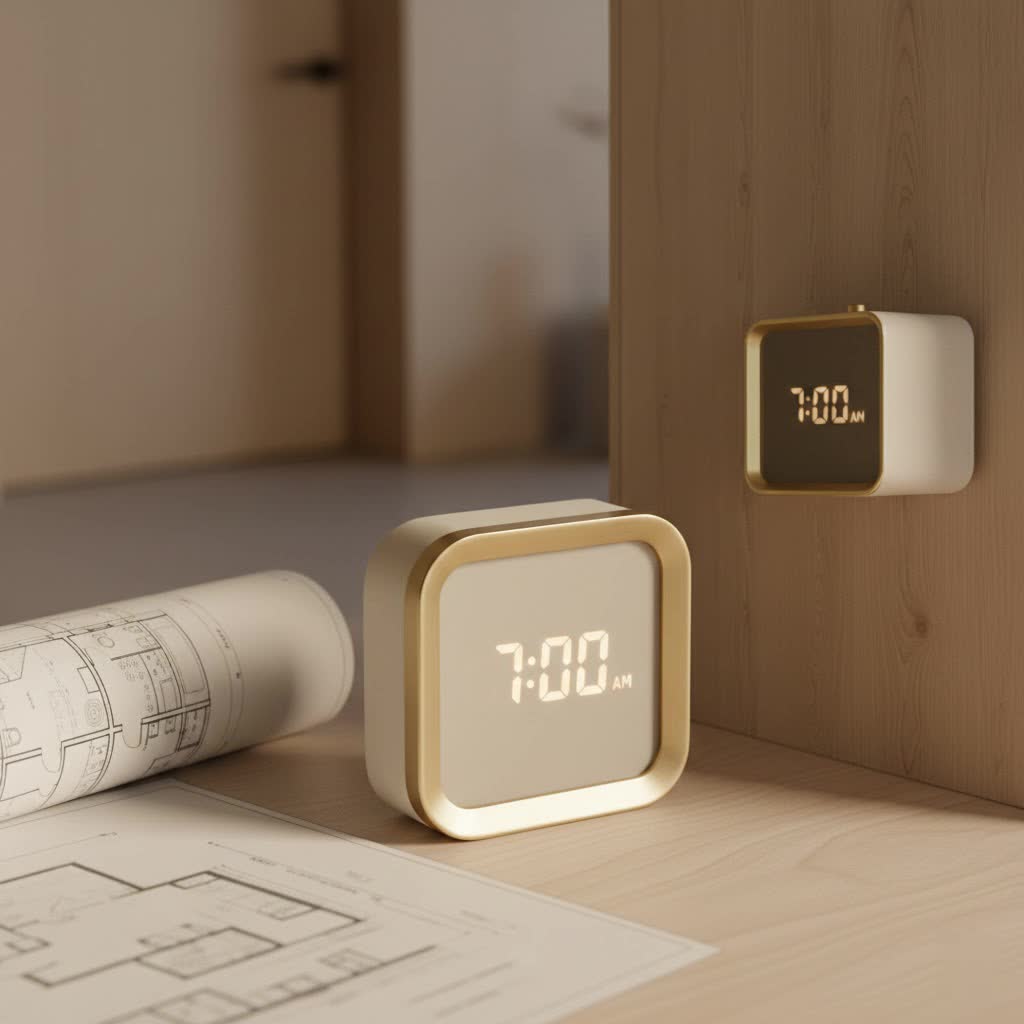
At Rzygw.com, we understand the nuances of a good night’s sleep and an effective wake-up. That’s why we’re diving deep into the innovative solutions that ensure you never oversleep again. Forget relying on sheer volume; these advanced devices engage multiple senses, providing a reliable and personalized wake-up experience that empowers you to start your day on your terms. An alarm clock for the hard of hearing isn’t just a gadget; it’s a gateway to improved daily routines and enhanced well-being.
Why Standard Alarms Just Don’t Cut It
Traditional alarm clocks, with their reliance on sound alone, often prove ineffective for individuals with hearing loss. The issue isn’t just about the volume; it’s about the nature of hearing impairment itself. Many individuals remove their hearing aids before bed, rendering auditory alarms completely useless. Even with residual hearing, the specific frequencies or intensity of a standard alarm might not be enough to penetrate deep sleep.
This reliance on sound-only alerts can lead to significant problems, from missing important appointments and feeling constantly rushed to diminished independence and privacy. The inability to consistently wake up can foster anxiety and stress, impacting overall quality of life. This is precisely why specialized Alarm Clock For Hard Of Hearing solutions have become indispensable, addressing these unique challenges head-on.
How Do Alarm Clocks for the Hard of Hearing Work?
Modern alarm clocks designed for the hard of hearing leverage a multi-sensory approach, engaging more than just your ears to ensure you wake up. By combining tactile sensations, visual cues, and sometimes amplified sound, these devices offer a dependable wake-up system tailored to individual needs.
Vibrating Alarm Clocks: Feel the Wake-Up Call
|
Our Picks for the Best Alarm Clock in 2026
As an Amazon Associate I earn from qualifying purchases.
|
||
| Num | Product | Action |
|---|---|---|
| 1 | Amazon Echo Spot (newest model), Great for nightstands, offices and kitchens, Smart alarm clock with Alexa+ Early Access, Glacier White |

|
| 2 | Amazon Basics Small Digital Oval Alarm Clock With LED Display, Nightlight & Battery Backup, Black, 4.5 x 3.5 x 2.4 Inches |
|
| 3 | Wake Up Light Sunrise Alarm Clock for Kids, Heavy Sleepers, Bedroom, with Sunrise Simulation, Sleep Aid, Dual Alarms, FM Radio, Snooze, Nightlight, Daylight, 7 Colors, 7 Natural Sounds, Ideal for Gift |
|
| 4 | Sunrise Alarm Clock White Noise Machine: Natural Wake Up Light - Dimmable Clock with Bluetooth Speaker for Bedroom - 25 Sleep Sounds for Baby Adults Kids Putty |
|
| 5 | Philips SmartSleep Wake-up Light, Colored Sunrise and Sunset Simulation, 5 Natural Sounds, FM Radio & Reading Lamp, Tap Snooze, HF3520/60 |
|
| 6 | LỖI |
|
| 7 | Digital Projection Alarm Clocks for Bedrooms - Large LED Display, 180° Rotatable Projector, 5-Level Dimmer,USB Charger,Battery Backup,Loud Dual Alarms for Kids Elderly,Heavy Sleepers,Snooze,12/24H,DST |
|
| 8 | Mesqool Digital Projector Alarm Clocks for Kids Bedroom,Plug-in Clock with 180° Projection on Ceiling Wall,Dual Alarms for Heavy Sleepers,Battery Backup,USB Charging Port,Easy-to-Set,Dimmer,Snooze |
|
| 9 | Swissbrand Sunrise Alarm Clock with Multicolor LED Light, USB Charging & Indoor Temperature – Concrete-Print Digital Clock for Bedroom Nightstand |
|
| 10 | Mesqool Projection Alarm Clock, Digital Clock with 180° Rotatable Projector, 5-Level Brightness Dimmer, Clear LED Display, USB Charger, Progressive Volume, 9mins Snooze,12/24H, for Bedroom |
|
One of the most popular and effective solutions is the vibrating alarm clock. These devices incorporate a powerful vibrator that can be placed in various locations to deliver a tactile alert.
A common setup involves a “bed shaker,” a small, disc-shaped puck that slides under your pillow or mattress. When the alarm activates, this device delivers strong, undeniable vibrations, often robust enough to rouse even the deepest sleepers without disturbing a partner. Imagine a gentle but persistent nudge rather than a jarring sound. For those who prefer a more personal alert, wearable vibrating watches can be worn on the wrist, delivering discrete vibrations directly to you. This method is particularly useful for shared living spaces or for maintaining a silent wake-up routine.
Flashing Light Alarms: A Visual Cue to Start Your Day
For many, bright, flashing lights are an incredibly effective wake-up signal. Flashing light alarms typically feature powerful LED strobes or bright visual displays that illuminate the room when the alarm goes off. Some advanced models can even integrate with existing bedroom lamps, turning them into a pulsating light source. This visual stimulus is highly effective for individuals who are light sleepers or respond well to changes in ambient light, providing a natural and less intrusive way to transition from sleep to wakefulness.
Extra-Loud Alarms: When Sound Still Plays a Role
While the focus is often on non-auditory alerts, many specialized alarm clocks for the hard of hearing still include an extra-loud alarm feature. These can reach impressive decibel levels, often ranging from 85 dB to over 110 dB – comparable to a car horn. This amplified sound is crucial for those with some residual hearing, or for households with mixed hearing abilities where a combination of alerts is preferred. The beauty of these systems lies in their adjustability, allowing users to customize the volume, tone, and even the type of sound to suit their preferences.
As Dr. Amelia Vance, a renowned audiologist and sleep specialist, often says, “The most effective alarm engages multiple senses, ensuring a reliable wake-up experience for everyone, regardless of hearing ability. It’s about empowering individuals with choices.”
Key Features to Look for in a Hard of Hearing Alarm Clock
When choosing an alarm clock for hard of hearing, the array of features can seem daunting. However, focusing on specific functionalities will help you find the perfect fit for your lifestyle.
- Customizable Alert Combinations: The best devices offer flexibility, allowing you to choose between vibration, flashing light, extra-loud sound, or any combination of these. This adaptability ensures your wake-up experience is perfectly tailored.
- Adjustable Vibration Strength: Different people need different levels of intensity. Look for models that offer multiple vibration settings, from gentle nudges to powerful shakes, ensuring even the deepest sleepers are roused.
- Volume Control (if applicable): If you opt for an alarm with an audible component, adjustable volume and tone settings are essential. This allows you to find the sweet spot that works for you without being overly harsh.
- Large, Dimmable Display: A clear, easy-to-read display is crucial, especially for those who might struggle with small fonts or bright lights at night. Dimmable options help reduce light pollution in a dark room.
- Reliable Power Source & Backup: Mains-powered clocks often provide the strongest and most consistent alerts. A battery backup feature is vital to ensure your alarm functions even during power outages, providing uninterrupted reliability.
- Portability: For travelers, a compact and portable vibrating alarm clock or wrist-worn device can be a game-changer, ensuring you maintain your wake-up routine no matter where you are.
- Multiple Alarms: If your schedule varies, or you need several reminders throughout the morning, the ability to set multiple alarms is incredibly convenient.
- Snooze Function: While we advocate for consistent wake-up times, a snooze function can offer a few extra minutes of rest, with many specialized alarms offering repeated, escalating alerts after snoozing.
- Smart Home Connectivity: Some advanced systems can integrate with other smart home devices, such as smoke detectors, carbon monoxide alarms, or even doorbells, providing a comprehensive alert system for enhanced safety and awareness.
Choosing the Right Alarm Clock for Your Needs
Selecting the ideal alarm clock for hard of hearing isn’t a one-size-fits-all endeavor. It’s a personal journey that depends on your specific hearing loss, sleep habits, and lifestyle.
First, consider the severity of your hearing loss. If you have profound hearing loss, a combination of strong vibration and flashing lights will likely be more effective than relying on a loud sound. Conversely, those with moderate loss might benefit from a powerful audible alarm paired with a vibrator.
Your sleeping habits also play a crucial role. Are you a notoriously deep sleeper who sleeps through anything? Then a bed shaker with adjustable intensity is probably your best bet. If you’re a lighter sleeper, flashing lights or even a gentler vibration might suffice.
Think about your living situation. If you share a bedroom, a discreet vibrating alarm can wake you without disturbing your partner. If you live alone, a multi-sensory alarm with all features activated can offer maximum assurance.
Finally, consider your travel frequency. A portable vibrating alarm clock or a vibrating watch can ensure you stay on schedule even when away from home. Don’t be afraid to try different combinations and settings. What works for one person might not work for another, and finding your perfect wake-up call is about experimentation and personal preference.
Expert Tips for Maximizing Your Alarm Clock’s Effectiveness
Even the best specialized alarm clock needs a little help to perform optimally. Here are a few expert tips to ensure your hearing impaired alarm clock serves you best:
- Optimal Placement: For bed shakers, place them directly under your pillow or firmly between your mattress and box spring. This ensures the vibrations are most effectively transmitted to your body.
- Test Your Settings: Before relying on your new alarm, test it out during the day. Experiment with different vibration strengths, light patterns, and sound levels to find the combination that effectively rouses you without causing undue stress.
- Consistency is Key: Just like with any alarm, try to maintain a consistent sleep and wake schedule. Your body’s internal clock will adapt, making it easier for your specialized alarm to work its magic.
- Regular Checks: If your alarm uses batteries for backup or as its primary power source, remember to check and replace them regularly. A dead battery can lead to a missed alarm, defeating the purpose of your reliable wake-up system.
- Keep it Accessible: Ensure your alarm clock is within easy reach so you can turn it off quickly once awake. This prevents repeated, unnecessary alerts and helps you start your day calmly.
Frequently Asked Questions (FAQ)
What’s the loudest alarm clock available for the hard of hearing?
Some specialized alarm clocks, like the Sonic Bomb, can reach volumes of up to 113 decibels, making them incredibly loud—often exceeding the sound of a car horn. These are usually combined with vibrations and flashing lights for maximum effectiveness.
Can these alarms really wake a very deep sleeper?
Absolutely. Vibrating bed shakers are particularly effective for deep sleepers as they bypass auditory reliance and engage the sense of touch. Many users report these powerful vibrations can wake them even when loud sounds fail.
Are vibrating alarm clocks safe to use every night?
Yes, vibrating alarm clocks are generally safe for daily use. The vibrations are designed to be strong enough to wake you but not harmful. They are a well-established assistive technology.
Can I use a smartphone as an alarm for the hard of hearing?
While many smartphones offer vibration modes and even some third-party apps for flashing lights, their built-in vibrators are often not powerful enough to reliably wake deep sleepers or those with significant hearing loss. Dedicated alarm clock for hard of hearing devices offer much stronger and more consistent alerts.
Where can I buy these specialized alarm clocks?
You can find these alarm clocks at specialized assistive technology retailers, online marketplaces, and even some larger electronics stores. Brands like Sonic Alert, Bellman & Symfon, and Clarity are widely available.
Do they need special maintenance?
Generally, no. Most specialized alarm clocks for the hard of hearing require minimal maintenance beyond regular battery checks (for backup or portable units) and keeping them clean. Always refer to the manufacturer’s instructions for specific care.
Take Control of Your Mornings
The days of struggling to wake up due to hearing loss are behind us. With the innovative advancements in alarm clock technology, individuals who are hard of hearing can now enjoy the independence and reliability of a personalized wake-up experience. From powerful vibrating bed shakers to bright flashing lights and extra-loud alarms, there’s a solution out there designed to meet your unique needs.
By understanding how these devices work and what features to look for, you can confidently choose an alarm clock for hard of hearing that empowers you to start each day refreshed, on time, and ready to tackle whatever comes your way. Don’t let hearing loss dictate your mornings any longer. Explore the options, embrace the technology, and reclaim your wake-up routine. For more in-depth insights and product reviews, keep an eye on Rzygw.com – your trusted source for all things alarm clocks.
