Waking up can sometimes feel like a daily battle, a sudden jolt from the serene world of dreams back into reality. For centuries, humanity has sought the perfect companion to guide this transition, leading to the evolution of the humble yet mighty alarm clock. Far from being just a simple time-telling device, today’s alarm clock is a sophisticated tool designed to enhance your sleep hygiene, improve productivity, and even boost your mental well-being. At Rzygw.com, we believe that understanding your alarm clock is the first step towards mastering your mornings and, by extension, your entire day.
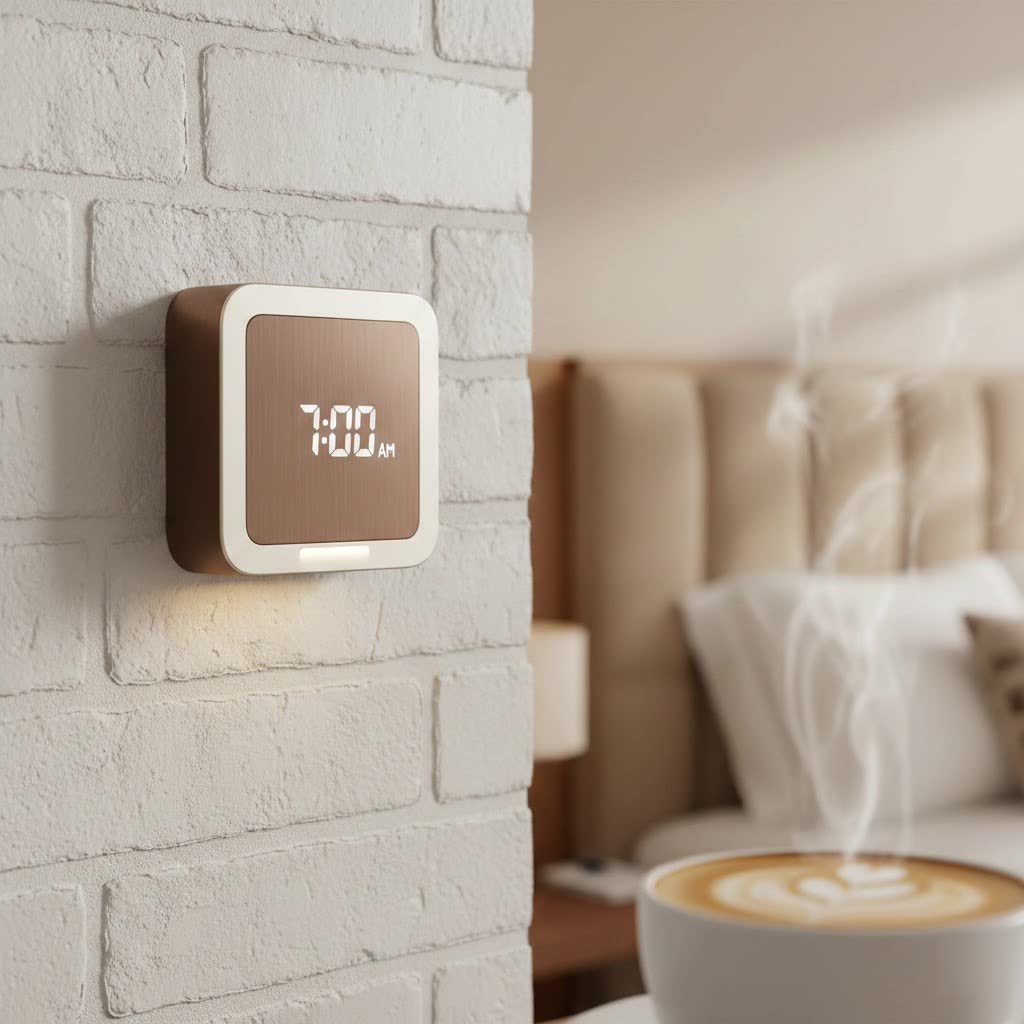
More Than Just a Beep: Understanding the Modern Alarm Clock
An alarm clock is fundamentally a device engineered to alert an individual or group at a predetermined time, with its primary role being to awaken people from their sleep. However, its utility extends far beyond just rousing you from bed; it serves as a vital reminder for various daily tasks and appointments. From a traditional mechanical bell to an advanced smart device, the core purpose of an alarm clock remains consistent: punctuality and effective time management.
Why a Dedicated Alarm Clock Matters
In an age dominated by smartphones, many rely on their mobile devices for wake-up calls. Yet, a dedicated alarm clock offers distinct advantages for your sleep health and overall routine:
- Guaranteed Wake-Up Calls: Unlike smartphones, which can run out of battery, get lost under the covers, or be silenced by accidental swipes, a standalone alarm clock provides a consistent and reliable alert. It’s a specialized tool built for one purpose, ensuring you’re not left guessing if your alarm will sound.
- Encourages Healthy Sleep Habits: Keeping your smartphone out of the bedroom is a cornerstone of good sleep hygiene. The blue light emitted by screens can disrupt melatonin production, making it harder to fall asleep. By using a separate alarm clock, you remove the temptation to scroll through social media before bed or immediately upon waking, fostering a more restful and undisturbed sleep environment. As sleep expert Dr. Elias Vance often remarks, “The bedroom should be a sanctuary for rest, free from the digital distractions that fragment our precious sleep cycles.”
- Enhances Productivity and Time Management: Waking up at a consistent time each day, regardless of whether it’s a weekday or weekend, helps regulate your body’s natural circadian rhythm. This consistency can lead to improved energy levels, better concentration, and enhanced time management throughout your day. A well-planned start often translates into a more productive day, and a reliable alarm clock is key to establishing this discipline.
- Reduces Smartphone Dependence: Consciously choosing a dedicated alarm clock helps break the cycle of smartphone dependence. This separation allows for a less reactive and more intentional start to your day, protecting your early morning mental space from the influx of notifications and digital demands. It’s a small change with a significant impact on your mental well-being.
- Aids Mental Health: The constant “on-call” nature of smartphones can contribute to stress and anxiety, even when used as an alarm. A traditional alarm clock helps create a boundary, allowing you to disconnect and embrace a peaceful wake-up. This mindful approach can reduce sleep anxiety and set a positive tone for the day, freeing you from the mental burden of multiple alarms or the urge to check your phone first thing.
|
Our Picks for the Best Alarm Clock in 2026
As an Amazon Associate I earn from qualifying purchases.
|
||
| Num | Product | Action |
|---|---|---|
| 1 | LỖI |

|
| 2 | Swissbrand Sunrise Alarm Clock with Multicolor LED Light, USB Charging & Indoor Temperature – Concrete-Print Digital Clock for Bedroom Nightstand |
|
| 3 | Amazon Echo Spot (newest model), Great for nightstands, offices and kitchens, Smart alarm clock with Alexa+ Early Access, Glacier White |
|
| 4 | Mesqool Projection Alarm Clock, Digital Clock with 180° Rotatable Projector, 5-Level Brightness Dimmer, Clear LED Display, USB Charger, Progressive Volume, 9mins Snooze,12/24H, for Bedroom |
|
| 5 | Amazon Basics Small Digital Oval Alarm Clock With LED Display, Nightlight & Battery Backup, Black, 4.5 x 3.5 x 2.4 Inches |
|
| 6 | Philips SmartSleep Wake-up Light, Colored Sunrise and Sunset Simulation, 5 Natural Sounds, FM Radio & Reading Lamp, Tap Snooze, HF3520/60 |
|
| 7 | Wake Up Light Sunrise Alarm Clock for Kids, Heavy Sleepers, Bedroom, with Sunrise Simulation, Sleep Aid, Dual Alarms, FM Radio, Snooze, Nightlight, Daylight, 7 Colors, 7 Natural Sounds, Ideal for Gift |
|
| 8 | Mesqool Digital Projector Alarm Clocks for Kids Bedroom,Plug-in Clock with 180° Projection on Ceiling Wall,Dual Alarms for Heavy Sleepers,Battery Backup,USB Charging Port,Easy-to-Set,Dimmer,Snooze |
|
| 9 | Sunrise Alarm Clock White Noise Machine: Natural Wake Up Light - Dimmable Clock with Bluetooth Speaker for Bedroom - 25 Sleep Sounds for Baby Adults Kids Putty |
|
| 10 | Digital Projection Alarm Clocks for Bedrooms - Large LED Display, 180° Rotatable Projector, 5-Level Dimmer,USB Charger,Battery Backup,Loud Dual Alarms for Kids Elderly,Heavy Sleepers,Snooze,12/24H,DST |
|
A Journey Through Time: The History of the Alarm Clock
The concept of a device to signal time has roots deep in history, long before the familiar bells and buzzers of a modern alarm clock.
- Ancient Beginnings: The earliest forms of timed alerts can be traced back to ancient civilizations. The Greek philosopher Plato is credited with modifying a water clock (known as a clepsydra) in the 4th century B.C. to produce a sound at a specific time, likely to signal the start of his dawn lectures. Engineer Ctesibius further refined this by adding pebbles that would drop onto a gong when water reached a certain level, creating a rudimentary alarm clock.
- The First Mechanical Alarms: Fast forward to 1787, when American inventor Levi Hutchins created what is recognized as the first mechanical alarm clock. However, this device was purely for his personal use, designed to wake him precisely at 4 AM, and he never patented it. It wasn’t until 1847 that French inventor Antoine Redier patented the first adjustable mechanical alarm clock, allowing users to set their desired wake-up time.
- The Industrial Revolution and Beyond: The widespread need for punctuality driven by the Industrial Revolution saw the rise of communal alarms, such as factory whistles and church bells, to rouse workers. As societies became more organized and schedules more rigid, the personal alarm clock became increasingly vital. The mid-20th century brought innovations like clock radios, allowing people to wake to music or news.
- The Digital Age and Smart Evolution: The late 20th and early 21st centuries ushered in the digital alarm clock, followed by smart alarms that integrate with home networks, offer customizable sounds, and provide features far beyond simple timekeeping. From traditional wind-up models to app-controlled smart devices, the evolution of the alarm clock mirrors humanity’s ongoing quest for control over time and, more specifically, over our precious mornings.
Finding Your Perfect Wake-Up Call: Types of Alarm Clocks
The world of alarm clocks is diverse, with options to suit every sleeping style and preference. Understanding the different types can help you choose an alarm clock that genuinely improves your wake-up experience.
Traditional Analog Clocks
These classic alarm clocks often feature a mechanical gear system and produce a loud, often sharp, bell or buzzer sound. Many are wind-up, requiring no batteries or electricity, making them reliable during power outages. They are perfect for those who appreciate simplicity and a robust wake-up signal.
Digital & Clock Radios
Digital alarm clocks display the time numerically, often with LED or LCD screens. They typically offer features like multiple alarm settings, a snooze button, and adjustable brightness. Clock radios combine these functions with an FM/AM radio, allowing you to wake up to your favorite station or a traditional alarm sound. These are widely popular for their versatility and ease of use.
Sunrise Simulation & Light-Based Alarms
For those who find abrupt sounds jarring, sunrise alarm clocks provide a gentler awakening. These devices gradually increase the brightness of a light source, mimicking the natural dawn, before an optional sound alarm activates. This method helps to naturally reset your circadian rhythm, making waking up feel less stressful and more refreshing. Many models include soothing nature sounds to complement the light.
Smart Alarm Clocks
Embodying the latest in sleep technology, smart alarm clocks integrate with apps and smart home systems. Brands like Hatch Restore and Loftie offer extensive customization, including a vast library of sounds, guided meditations, sleep tracking, and even app-controlled features. Some can monitor your sleep cycles and wake you during a lighter sleep stage, reducing grogginess. These are ideal for tech-savvy users looking for a holistic approach to sleep and waking.
Specialty Alarms
Beyond the mainstream, specialized alarm clocks cater to specific needs:
- Extra-Loud Alarms & Bed Shakers: Designed for heavy sleepers or individuals with hearing impairments, these alarms produce incredibly loud sounds or vibrate the bed to ensure you don’t oversleep.
- Projection Clocks: These convenient alarm clocks project the time onto your wall or ceiling, allowing for easy viewing without having to turn your head.
- Challenge Alarms: Some innovative alarm clocks require users to solve a math problem, perform a physical task, or even chase a moving clock to turn off the alarm, effectively forcing them out of bed.
How to Choose the Right Alarm Clock for You
Selecting the perfect alarm clock is a personal journey. It’s about finding a device that aligns with your sleep style, lifestyle, and preferences. Here’s how to navigate your choices:
Consider Your Sleep Style
- For Heavy Sleepers: If you’re someone who sleeps through anything, you might need an alarm clock with a powerful, attention-grabbing sound, or even a bed shaker. The key is finding something that truly penetrates your deep sleep without causing undue stress.
- For Light Sleepers: If you’re easily disturbed or prefer a gentle awakening, a sunrise simulation alarm clock or one with gradually increasing volume and soothing sounds will be more beneficial. Minimizing bright lights and sudden noises can significantly improve your morning experience.
Key Features to Look For
When exploring options for your next alarm clock, keep these features in mind:
- Alarm Sound and Method: Do you prefer a classic bell, a buzzing sound, music, nature sounds, or light? Many modern alarms offer a range of customizable sound profiles and methods, including vibration.
- Display Brightness: A display that is too bright can disrupt sleep. Look for an alarm clock with adjustable or dimmable brightness, or even a blackout mode. Projection clocks can also be a great solution for checking the time subtly.
- Power Source: Decide between battery-operated (great for travel and power outages) or plug-in models (often offering more features and consistent power). Some also offer USB charging ports for your other devices.
- Multiple Alarms: If your schedule varies or you need multiple reminders throughout the morning, an alarm clock with dual or multiple alarm settings is invaluable.
- Snooze Functionality: While often a point of contention among sleep experts, a customizable snooze duration can be helpful for some.
- Extra Features: Consider additional functionalities like an FM radio, white noise machine, guided meditations, smartphone charging capabilities, or even a built-in temperature/humidity display.
- Ease of Use: An alarm clock should be intuitive to set and operate, especially when you’re half-asleep. Read reviews to gauge user-friendliness.
Testing Before Buying
Before committing to an alarm clock, it’s wise to:
- Read Reviews: Look for real-world user feedback, especially concerning the alarm’s effectiveness, sound quality, and display brightness.
- Experience in Store (if possible): If you can, test the alarm’s sound and display in a physical store to see if it meets your expectations.
- Check Return Policies: Sometimes, an alarm clock doesn’t quite live up to its promises. Ensure you have the option to return or exchange it if it doesn’t suit your needs.
Conclusion
The journey to finding your ideal alarm clock is an investment in your daily rhythm, productivity, and overall well-being. From the ancient water clocks to today’s smart-enabled devices, the essence of the alarm clock has always been to empower us to seize the day. By choosing a device that resonates with your personal sleep style and integrates seamlessly into your life, you’re not just buying a clock; you’re cultivating a healthier, more intentional approach to waking up and living your best life. Explore the possibilities, make an informed choice, and transform your mornings from a struggle into a symphony.
Frequently Asked Questions (FAQ)
What is the most effective type of alarm clock for heavy sleepers?
For heavy sleepers, the most effective alarm clock often combines a very loud, persistent sound with a physical sensation like a bed shaker. Some also benefit from “challenge” alarms that require an activity to disable, ensuring they are truly awake.
How do sunrise alarm clocks work to improve waking?
Sunrise alarm clocks work by gradually increasing light output before your set alarm time, mimicking natural dawn. This gentle illumination signals your body to decrease melatonin production and increase cortisol, promoting a more natural and less jarring wake-up, leading to reduced grogginess.
Is it better to use a dedicated alarm clock or my phone?
Using a dedicated alarm clock is generally better for sleep hygiene. It helps reduce smartphone dependence, minimizes exposure to blue light before sleep, and removes the temptation to check notifications during the night or immediately upon waking, fostering a more peaceful sleep environment.
Can an alarm clock negatively impact my sleep?
Yes, an alarm clock can negatively impact sleep if it consistently wakes you abruptly from deep sleep stages with very loud or harsh sounds. This can lead to sleep inertia, characterized by grogginess and reduced cognitive function upon waking. Gentle, gradual alarms are often recommended.
What is the “snooze button” and is it good for me?
The snooze button allows you to delay your alarm for a short period (typically 5-10 minutes). While tempting, frequently hitting snooze can disrupt your sleep cycles by fragmenting your last phase of sleep, often leading to increased grogginess rather than feeling more rested.
What features should I prioritize in a smart alarm clock?
When choosing a smart alarm clock, prioritize features like customizable sound profiles, app integration for ease of control, sunrise simulation, the ability to play white noise or guided meditations, and seamless integration with your existing smart home ecosystem for a comprehensive sleep solution.
How often should I change my alarm clock settings?
You should adjust your alarm clock settings whenever your sleep schedule changes significantly, such as on weekends or during periods of travel. For optimal circadian rhythm regulation, try to keep your wake-up time consistent, even on days off, to maintain a healthy sleep pattern.
