Waking up reliably each morning is something many people take for granted. Yet, for millions of individuals who are deaf or hard of hearing, the simple act of setting an alarm can become a source of daily anxiety. Traditional alarm clocks, relying solely on sound, often fall short, leading to missed appointments, added stress, and a feeling of reduced independence. This is where specialized alarm clocks for the hearing impaired step in, transforming morning routines with innovative, multi-sensory technology designed to ensure everyone can start their day on time and with confidence.
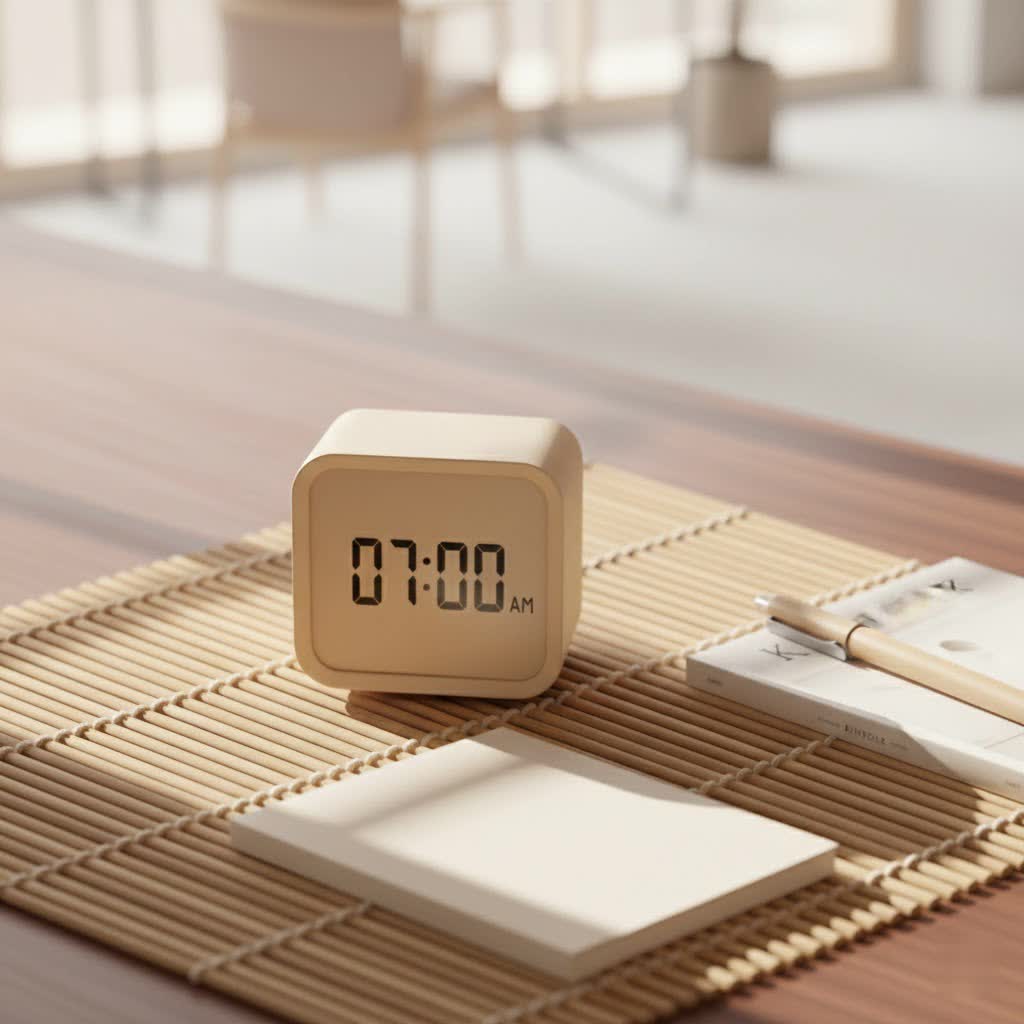
These aren’t just louder versions of standard clocks; they are meticulously engineered devices that leverage various sensory cues to provide a guaranteed wake-up experience. Whether you’re dealing with profound deafness or moderate hearing loss, understanding how these remarkable tools work and what features to look for is crucial for choosing the perfect companion for your bedside. As experts in sleep and time management, we at Rzygw are dedicated to empowering you with the knowledge to make informed choices, fostering better sleep and more organized days.
Why Traditional Alarms Fall Short for the Hearing Impaired
Have you ever wondered what it’s like to rely on a sound that you simply can’t hear, or only partially perceive? This is the daily reality for many with hearing loss. Standard alarm clocks depend entirely on auditory signals, which can be completely ineffective for individuals who are deaf or those who remove their hearing aids at night. The auditory gap creates significant challenges, impacting not just personal schedules but also overall well-being.
The Auditory Gap and Its Impact
The severity of hearing loss varies greatly, from mild to profound. For some, even the loudest conventional alarm might just be a faint whisper, if heard at all. For others, particularly those with profound deafness, sound-based alarms are simply non-existent. This isn’t just an inconvenience; it can lead to:
- Missing Crucial Commitments: Oversleeping can cause individuals to miss work, school, medical appointments, or important social engagements, leading to professional and personal repercussions.
- Increased Stress and Anxiety: The constant worry about not waking up on time can affect sleep quality itself, creating a vicious cycle of restless nights and anxious mornings.
- Reduced Independence: Relying on family members or roommates to provide a wake-up call can diminish one’s sense of autonomy and privacy.
- Safety Concerns: In critical situations, like a fire alarm, being unable to hear alerts can have severe consequences, highlighting the need for comprehensive alerting systems.
|
Our Picks for the Best Alarm Clock in 2026
As an Amazon Associate I earn from qualifying purchases.
|
||
| Num | Product | Action |
|---|---|---|
| 1 | Swissbrand Sunrise Alarm Clock with Multicolor LED Light, USB Charging & Indoor Temperature – Concrete-Print Digital Clock for Bedroom Nightstand |

|
| 2 | Amazon Echo Spot (newest model), Great for nightstands, offices and kitchens, Smart alarm clock with Alexa+ Early Access, Glacier White |
|
| 3 | Mesqool Digital Projector Alarm Clocks for Kids Bedroom,Plug-in Clock with 180° Projection on Ceiling Wall,Dual Alarms for Heavy Sleepers,Battery Backup,USB Charging Port,Easy-to-Set,Dimmer,Snooze |
|
| 4 | Wake Up Light Sunrise Alarm Clock for Kids, Heavy Sleepers, Bedroom, with Sunrise Simulation, Sleep Aid, Dual Alarms, FM Radio, Snooze, Nightlight, Daylight, 7 Colors, 7 Natural Sounds, Ideal for Gift |
|
| 5 | Philips SmartSleep Wake-up Light, Colored Sunrise and Sunset Simulation, 5 Natural Sounds, FM Radio & Reading Lamp, Tap Snooze, HF3520/60 |
|
| 6 | Mesqool Projection Alarm Clock, Digital Clock with 180° Rotatable Projector, 5-Level Brightness Dimmer, Clear LED Display, USB Charger, Progressive Volume, 9mins Snooze,12/24H, for Bedroom |
|
| 7 | Amazon Basics Small Digital Oval Alarm Clock With LED Display, Nightlight & Battery Backup, Black, 4.5 x 3.5 x 2.4 Inches |
|
| 8 | Sunrise Alarm Clock White Noise Machine: Natural Wake Up Light - Dimmable Clock with Bluetooth Speaker for Bedroom - 25 Sleep Sounds for Baby Adults Kids Putty |
|
| 9 | LỖI |
|
| 10 | Digital Projection Alarm Clocks for Bedrooms - Large LED Display, 180° Rotatable Projector, 5-Level Dimmer,USB Charger,Battery Backup,Loud Dual Alarms for Kids Elderly,Heavy Sleepers,Snooze,12/24H,DST |
|
This is precisely why specialized alarm clocks for the hearing impaired are not just accessories but essential tools that restore control, confidence, and independence to morning routines.
How Specialized Alarm Clocks for the Hearing Impaired Work
Unlike their traditional counterparts, these advanced alarm clocks employ a multi-sensory approach to ensure you’re alerted, regardless of your hearing ability. They tap into other senses – touch and sight – to deliver an undeniable wake-up call.
What is a Multi-Sensory Alarm Clock?
A multi-sensory alarm clock is a device designed to trigger wakefulness through a combination of stimuli, typically including strong vibrations, bright flashing lights, and sometimes an extra-loud audible alarm. This layered approach ensures that if one alert method isn’t effective, another will be. This versatility makes them incredibly effective for individuals with varying degrees of hearing loss, as well as for deep sleepers who struggle with conventional alarms.
Bed-Shaking Vibrations: The Power of Tactile Alerts
Imagine your bed gently, or not-so-gently, shaking you awake. This is the core functionality of a “bed shaker” or “vibrating alarm clock.” A small, disc-shaped unit is typically placed under your pillow or mattress. When the alarm time arrives, this device activates, producing powerful vibrations that are nearly impossible to ignore. Many models offer adjustable vibration strength, allowing you to customize the intensity to suit your preferences and depth of sleep. This tactile alert is discreet, making it ideal for those who share a bedroom and want to avoid disturbing a partner.
Flashing Lights and Strobes: Visual Cues for a Brighter Start
For many, light is a powerful wake-up signal. Specialized alarm clocks often integrate bright, flashing LED lights or strobe lights into their design. These visual alerts can be incredibly effective, especially for individuals who are sensitive to light changes or those who sleep on their backs and can easily perceive the flashes. Some advanced models even simulate a sunrise, gradually increasing in brightness to provide a more natural and gentle awakening experience, aligning with your body’s natural circadian rhythm.
Extra-Loud Audible Alarms (Optional): When Sound Still Plays a Role
While the primary focus is on non-auditory alerts, many alarm clocks for the hearing impaired still include an extra-loud audible alarm feature. These alarms can reach impressive decibel levels, often exceeding 100 dB (comparable to a car horn), making them suitable for individuals with moderate hearing loss who can still perceive some sound, or for households with mixed hearing abilities. The option to combine a loud alarm with vibration and flashing lights creates a “triple threat” wake-up system, maximizing the chances of getting you out of bed on time.
As Dr. Evelyn Reed, a leading audiologist and advocate for accessible technology, notes, “The beauty of modern alarm clocks for the hearing impaired lies in their adaptability. They acknowledge that hearing loss isn’t a one-size-fits-all condition, offering a spectrum of customizable alerts that truly empower users to take control of their mornings.”
Key Features to Look for in Your Next Alarm Clock
Choosing the right alarm clock for the hearing impaired can feel daunting with so many options available. However, focusing on specific features can help you narrow down the best fit for your unique needs.
Adjustable Vibration Strength: Tailoring Your Wake-Up Experience
Are you a light sleeper or someone who sleeps through anything? Adjustable vibration settings are vital. Look for clocks that allow you to choose between different intensity levels for the bed shaker. This ensures the vibration is strong enough to rouse you without being overly jarring, providing a comfortable yet effective wake-up call.
Customizable Alert Combinations: Your Personal Wake-Up Symphony
The most effective alarm clocks offer flexibility in how they alert you. Can you choose to use vibration only, flashing lights only, or a combination of all three (vibration, light, and sound)? This customization is key, allowing you to fine-tune the alarm to your personal preferences and the specific dynamics of your sleeping environment, especially if you share a room.
Large, Dimmable Displays: Readability Day and Night
A clear display is crucial. Look for clocks with large, easy-to-read LED or LCD screens. Dimmable brightness settings are also important. You’ll want a display bright enough to read clearly during the day but soft enough not to disturb your sleep at night. Some models even offer customizable display colors.
Multiple Alarm Settings: For Varied Schedules and Routines
Do you have different wake-up times on weekdays and weekends? Or perhaps you need multiple alarms throughout the day for medication or specific tasks? Many specialized alarm clocks come with dual alarm settings, allowing you to program two independent wake-up times. This feature is a game-changer for those with busy or inconsistent schedules.
Reliable Power Sources and Backup: Never Miss a Beat
Power outages happen, and the last thing you want is for your alarm to fail. Ensure your chosen alarm clock has a robust power source, typically a wall outlet, but critically, also includes a battery backup. This feature guarantees that your alarm will still activate even if the power goes out overnight, providing invaluable peace of mind.
Portability and Travel-Friendliness: Your Wake-Up Partner on the Go
For those who travel frequently, a compact and portable alarm clock for the hearing impaired is a must-have. Many models are designed to be lightweight and battery-operated, making them easy to pack and use in hotels or other accommodations. Look for features like a pillow clip for the bed shaker to ensure it stays in place no matter where you sleep.
Smart Connectivity and Integration: The Future of Waking Up
Modern technology continues to enhance accessibility. Some alarm clocks offer Bluetooth connectivity, allowing you to sync them with your smartphone or tablet. This can enable app control, personalized settings, and even integration with smart home systems, creating a more interconnected and responsive alerting environment. Certain advanced systems can even integrate with fire alarms, ensuring you receive alerts for emergencies beyond just waking up.
Types of Alarm Clocks for the Hearing Impaired
The market offers a diverse range of alarm clocks for the hearing impaired, each catering to different preferences and lifestyles.
Bedside Alarm Clocks
These are the most common type, usually sitting on your nightstand. They often feature large digital displays, extra-loud speakers, and ports for an external bed shaker. Many include flashing lights directly on the unit. Their robust design makes them a reliable staple for daily home use.
Wearable Alarm Clocks (Wristbands)
For those who prefer a more personal and discreet wake-up, wearable vibrating alarms are an excellent choice. These typically come as wristbands or watches that vibrate directly on your skin. They are particularly useful for individuals who share a bed and want to wake up without disturbing their partner. Some even include a silent alarm feature for complete discretion.
Travel Alarm Clocks
Designed for life on the move, travel alarm clocks for the hearing impaired are compact, lightweight, and often battery-operated. They typically include a built-in vibrator or a small, detachable bed shaker and sometimes flashing lights. Their portability ensures that a reliable wake-up is always at hand, no matter your time zone.
Choosing the Right Alarm Clock for You
Finding the perfect alarm clock for the hearing impaired is a personal journey. It involves carefully considering your specific needs, sleeping habits, and lifestyle.
Assessing Your Specific Needs
- Severity of Hearing Loss: For profound hearing loss, vibration and flashing lights are paramount. For moderate loss, a combination including a loud alarm might be effective.
- Sleeping Habits: Are you a very deep sleeper? Prioritize powerful bed shakers and multi-modal alerts.
- Shared Bedroom: If you sleep with a partner, look for strong vibration-only modes to ensure a discreet wake-up. Wearable alarms are also ideal here.
- Travel Frequency: If you travel often, portability, battery operation, and a compact design are key.
Budget Considerations
Alarm clocks for the hearing impaired range in price, typically from $30 to $150 or more for advanced models with smart features. Define your budget, but remember that a reliable wake-up system is an investment in your daily peace of mind and independence. Basic models often provide excellent core functionality, while higher-end options offer enhanced customization and connectivity.
Optimizing Your Morning Routine with Your New Alarm Clock
Once you have your new alarm clock, a few simple steps can help you get the most out of it:
- Placement is Key: For bed shakers, place them directly under your pillow or mattress for maximum effect. For flashing lights, ensure they are visible from your sleeping position.
- Regular Testing: Make it a habit to test your alarm clock weekly, especially the battery backup, to ensure everything is functioning correctly. This simple check can prevent many missed alarms.
- Customization is Your Friend: Experiment with different vibration patterns, light intensities, and alarm sounds (if applicable) until you find the combination that works best for you.
Frequently Asked Questions
Q: What makes an alarm clock “for the hearing impaired” different from a regular alarm clock?
A: An alarm clock for the hearing impaired distinguishes itself by using multiple sensory alerts, primarily powerful vibrations (via a bed shaker) and bright flashing lights, in addition to or instead of, an extra-loud audible alarm. This multi-modal approach ensures effective wake-up calls for individuals who cannot rely on sound alone.
Q: Can I use a vibrating alarm clock if I’m not deaf?
A: Absolutely! Many deep sleepers or individuals who prefer a silent wake-up without disturbing a partner find vibrating alarm clocks highly effective. The tactile sensation can be a very powerful and personal way to awaken.
Q: Are vibrating alarm clocks safe?
A: Yes, vibrating alarm clocks are perfectly safe to use. The vibrations are designed to be strong enough to wake you without causing any harm or discomfort. They are tested to meet safety standards.
Q: How loud are these special alarm clocks?
A: While many models emphasize vibration and light, those that include an audible alarm can be exceptionally loud, often reaching 90-113 decibels. This is significantly louder than a standard alarm and is designed to cut through hearing loss for those with some residual hearing.
Q: Do they have battery backup?
A: Most high-quality alarm clocks for the hearing impaired include a battery backup feature. This is a critical component that ensures the alarm will still activate during a power outage, providing uninterrupted reliability and peace of mind. Always check for this feature before purchasing.
Q: Can these clocks wake up a very deep sleeper?
A: Yes, the combination of strong bed-shaking vibrations, bright flashing lights, and often very loud alarms is specifically designed to rouse even the deepest sleepers, including those who have difficulty waking up to conventional alarms. The physical sensation of a bed shaker is particularly effective.
Q: How often should I test my alarm clock?
A: We recommend testing your alarm clock for the hearing impaired at least once a week. This regular check ensures that all alert functions (vibration, light, sound) are working correctly and that the battery backup is charged, helping you avoid unexpected oversleeping.
Conclusion
Waking up on time shouldn’t be a source of stress or a daily gamble, especially for those living with hearing impairment. The advancements in alarm clocks for the hearing impaired have revolutionized morning routines, offering reliable, multi-sensory solutions that empower individuals to start their days independently and confidently. By understanding the core features like powerful bed shakers, bright flashing lights, and customizable settings, you can select an alarm clock that perfectly fits your needs.
Embrace the technology that brings calm and consistency to your mornings. Take control of your sleep and your schedule by exploring the diverse range of options available. A better, more independent start to your day is not just a possibility; it’s within reach.
