In a world overflowing with digital distractions, the humble alarm clock often gets overlooked, replaced by the omnipresent smartphone. Yet, for many, the timeless appeal and practical benefits of a Traditional Alarm Clock offer a refreshing antidote to our screen-centric lives. It’s more than just a device that tells time; it’s a silent guardian of your sleep hygiene, a reliable sentinel ensuring you start your day on your terms, and often, a beautiful piece of design that adds character to any bedside table.
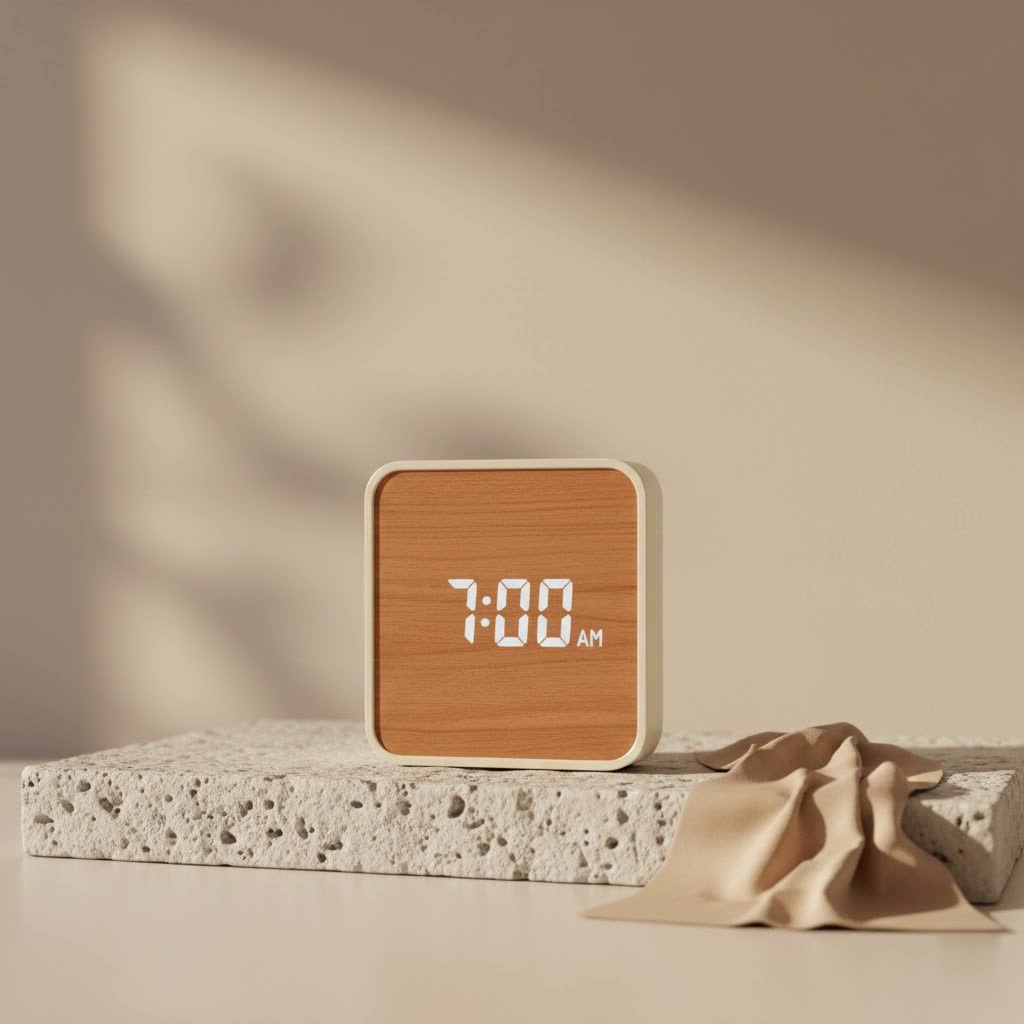
But what exactly defines a traditional alarm clock, and why might you consider making it a staple in your morning routine once again? Let’s dive into the enduring legacy and undeniable advantages of these classic timekeepers.
The Enduring Legacy: A Brief History of the Alarm Clock
The concept of a timed wake-up call is far from new. Our ancestors, recognizing the need to organize their days, devised ingenious methods to rouse themselves. Imagine ancient Greece, where the philosopher Plato reportedly owned an early form of water clock, or “clepsydra,” that could signal the start of his lectures at dawn. This clever device used dripping water to measure time and an unspecified alarm to make a sound, perhaps even resembling a water organ. Later, around 250 BCE, the engineer Ctesibius advanced these water clocks, fitting them with elaborate alarm systems that could drop pebbles onto a gong or even blow trumpets through compressed air at preset times.
Fast forward centuries, and the idea of a personal, adjustable alarm clock began to take shape. While user-settable mechanical alarm clocks can be traced back to 15th-century Europe, the first known American alarm clock was created in 1787 by Levi Hutchins. However, this device was a personal project, designed solely to wake him at 4 AM, and wasn’t adjustable for others. The true breakthrough for the masses came in 1847 when French inventor Antoine Redier patented the first adjustable mechanical alarm clock, finally giving individuals the power to set their wake-up times as they pleased.
From these early innovations, the traditional alarm clock evolved, with various power sources and alarm sounds, from buzzing bells to whistling cuckoos. It wasn’t until 1912 that the first electric alarm clock emerged, and much later, almost two centuries after Hutchins’s invention, that the beloved (or reviled) snooze button made its debut. This journey highlights humanity’s continuous quest for punctual mornings, proving that the need for a reliable wake-up system is deeply ingrained in our daily lives.
Beyond the Bells and Whistles: How a Traditional Alarm Clock Works
At its heart, a traditional alarm clock is a marvel of mechanical engineering, whether it’s an antique wind-up model or a modern analog version.
What is the core mechanism of a traditional alarm clock?
|
Our Picks for the Best Alarm Clock in 2026
As an Amazon Associate I earn from qualifying purchases.
|
||
| Num | Product | Action |
|---|---|---|
| 1 | Sunrise Alarm Clock White Noise Machine: Natural Wake Up Light - Dimmable Clock with Bluetooth Speaker for Bedroom - 25 Sleep Sounds for Baby Adults Kids Putty |

|
| 2 | Swissbrand Sunrise Alarm Clock with Multicolor LED Light, USB Charging & Indoor Temperature – Concrete-Print Digital Clock for Bedroom Nightstand |
|
| 3 | Amazon Basics Small Digital Oval Alarm Clock With LED Display, Nightlight & Battery Backup, Black, 4.5 x 3.5 x 2.4 Inches |
|
| 4 | Mesqool Projection Alarm Clock, Digital Clock with 180° Rotatable Projector, 5-Level Brightness Dimmer, Clear LED Display, USB Charger, Progressive Volume, 9mins Snooze,12/24H, for Bedroom |
|
| 5 | Philips SmartSleep Wake-up Light, Colored Sunrise and Sunset Simulation, 5 Natural Sounds, FM Radio & Reading Lamp, Tap Snooze, HF3520/60 |
|
| 6 | Wake Up Light Sunrise Alarm Clock for Kids, Heavy Sleepers, Bedroom, with Sunrise Simulation, Sleep Aid, Dual Alarms, FM Radio, Snooze, Nightlight, Daylight, 7 Colors, 7 Natural Sounds, Ideal for Gift |
|
| 7 | Digital Projection Alarm Clocks for Bedrooms - Large LED Display, 180° Rotatable Projector, 5-Level Dimmer,USB Charger,Battery Backup,Loud Dual Alarms for Kids Elderly,Heavy Sleepers,Snooze,12/24H,DST |
|
| 8 | LỖI |
|
| 9 | Amazon Echo Spot (newest model), Great for nightstands, offices and kitchens, Smart alarm clock with Alexa+ Early Access, Glacier White |
|
| 10 | Mesqool Digital Projector Alarm Clocks for Kids Bedroom,Plug-in Clock with 180° Projection on Ceiling Wall,Dual Alarms for Heavy Sleepers,Battery Backup,USB Charging Port,Easy-to-Set,Dimmer,Snooze |
|
Most traditional mechanical alarm clocks operate using a fascinating system of gears and springs. A mainspring, when wound, stores energy that is slowly released to power the intricate gear train, moving the hour, minute, and second hands precisely to keep time.
How does the alarm actually sound?
For the alarm function, a separate mainspring is often used. When the set alarm time is reached, a sophisticated release lever mechanism is engaged. This lever frees a hammer, which is then rapidly propelled back and forth to strike against one or two metal bells mounted on top of the clock, or sometimes against the clock’s back cover itself. This creates that distinct, often loud, ringing sound that’s synonymous with traditional wake-up calls. Modern analog clocks, however, frequently incorporate quartz movements, powered by batteries, which offer a silent sweep second hand and can produce gentler beep alarms instead of jarring bells, making for a quieter and more pleasant experience. Setting the alarm typically involves a dedicated alarm-set knob and an extra hand or inset dial on the clock face, allowing you to visually pinpoint your desired wake-up time.
Reclaiming Your Mornings: The Undeniable Benefits of a Traditional Alarm Clock
In an age dominated by smartphones, why would anyone opt for a traditional alarm clock? The reasons, it turns out, are deeply rooted in well-being and a desire for more mindful living.
Why Ditch the Digital? Eliminating Distractions for Better Sleep.
“One of the biggest hurdles to quality sleep in the modern age is the ubiquitous presence of our smartphones in the bedroom,” notes Dr. Eleanor Vance, a sleep specialist and author of “Digital Detox for Deeper Slumber.” “A traditional alarm clock creates a vital physical and psychological boundary, making your bedroom a sanctuary dedicated solely to rest.” By moving your phone out of the bedroom, you eliminate the temptation to endlessly scroll through social media, check emails, or consume anxiety-inducing news late into the night. This simple act of separation significantly reduces blue light exposure, which is known to disrupt the production of melatonin, the hormone crucial for regulating your sleep cycle.
Unwavering Reliability: A Wake-Up Call You Can Trust.
Have you ever missed an important appointment because your phone died overnight, or you accidentally left it on silent? We’ve all been there! This is where the traditional alarm clock truly shines. Unlike smartphones, it isn’t susceptible to battery drain, system updates, or accidental “do not disturb” settings that can silence your alarm. Many traditional models run on reliable batteries that last for months, or are simply wind-up mechanical wonders, ensuring a consistent wake-up call that you can depend on, even during a power outage. This peace of mind can alleviate “sleep anxiety,” a common concern for those worried about oversleeping.
Cultivating Consistency: Building Healthy Sleep Habits.
Maintaining a consistent sleep schedule is paramount for optimal health, and a traditional alarm clock can be a powerful tool in achieving this. While the abrupt sound of some traditional alarms can be startling, it’s often more effective in breaking you out of deep sleep than the easily ignored melodies of a smartphone. Experts suggest that the distinct, often robust, sound of a traditional alarm might make it less tempting to repeatedly hit snooze, encouraging you to get up and start your day without delay. This consistency in your wake-up time helps regulate your body’s natural circadian rhythm, leading to more energetic mornings and improved overall well-being.
A Touch of Timeless Style: Aesthetics and Nostalgia.
Beyond their practical benefits, many traditional alarm clocks offer an aesthetic charm that digital devices simply can’t replicate. From classic twin-bell designs reminiscent of a bygone era to sleek, minimalist analog faces, these clocks can be beautiful decorative pieces. They evoke a sense of nostalgia, adding character and warmth to your bedroom decor. Brands like Braun are celebrated for their classic analog designs, providing not just functionality but also a touch of timeless elegance.
Choosing Your Perfect Companion: What to Look for in a Traditional Alarm Clock
Ready to embrace the benefits of a traditional alarm clock? Here’s what to consider when choosing the right one for you:
- Mechanical vs. Quartz: Mechanical clocks are often wind-up, offering an authentic, intricate experience. Quartz clocks, powered by batteries, tend to be more precise, often have a “silent sweep” second hand (no ticking), and can offer gentler alarm sounds.
- Alarm Sound: Do you prefer the classic, loud twin-bell ring that leaves no room for doubt? Or would a gentler beep or a progressive alarm that gradually increases in volume be more to your liking? Some modern analog clocks offer quieter alarms to prevent a jarring wake-up.
- Silent Sweep Movement: If the constant ticking of a clock bothers you, look for models with a “silent sweep” or “non-ticking” quartz movement. This ensures a peaceful sleeping environment.
- Night Light Feature: Many traditional clocks include a small button to illuminate the face, allowing you to check the time in the dark without bright, disruptive light.
- Power Source: Battery-powered clocks offer portability and are unaffected by power outages, while electric models provide continuous operation without battery changes.
- Design and Materials: From retro metallic finishes to sleek wooden casings, choose a design that complements your bedroom aesthetic.
Frequently Asked Questions (FAQ)
Are traditional alarm clocks better than phone alarms?
For many, yes. Traditional alarm clocks help you reduce screen time, eliminate blue light exposure before bed, and provide a reliable wake-up without the distractions and potential battery issues of a phone. They promote better sleep hygiene.
Do traditional alarm clocks tick loudly?
It depends on the mechanism. Older mechanical or cheaper analog clocks might have an audible ticking sound (step movement). However, many modern traditional alarm clocks feature silent quartz movements (sweep movement) that eliminate ticking, making them ideal for bedrooms.
What’s the difference between mechanical and quartz analog clocks?
Mechanical clocks are powered by coiled springs that need to be wound, using a system of gears to keep time. Quartz analog clocks are battery-powered and use a vibrating quartz crystal to regulate time, known for their accuracy and often silent operation.
Can a traditional alarm clock help with screen addiction?
Absolutely. By providing a dedicated wake-up device, a traditional alarm clock allows you to keep your smartphone out of the bedroom entirely. This physical separation is a powerful step in reducing screen addiction and improving sleep quality.
How do I set a traditional alarm clock?
Most traditional analog alarm clocks have two knobs on the back: one for setting the current time and another for setting the alarm time, usually indicated by an extra, shorter hand on the clock face. You simply turn these knobs until the hands align with your desired times. A separate switch typically activates or deactivates the alarm.
Embrace a Better Morning
In an increasingly connected world, choosing a traditional alarm clock is a conscious decision to disconnect, to reclaim your mornings, and to prioritize your sleep and well-being. It’s an investment not just in punctuality, but in creating a calmer, more focused start to your day. By stepping away from digital distractions and embracing the reliability and charm of a classic, you empower yourself to awaken refreshed, ready to tackle whatever comes next, much like our ancestors did with their own ingenious timekeepers. Why not give it a try and experience the difference a truly traditional wake-up call can make?
